Telepharmacy ensures medication access when distance or staffing shortages interrupt usual care by allowing licensed pharmacists to review prescriptions, supervise dispensing, and counsel patients without standing inside the same building. Patients still need accurate labels, interaction screening, and time for questions, and this model aims to preserve those safeguards while making pharmacy support more accessible, especially where local options remain limited.
How it works
At the local site, a technician receives the prescription, prepares the medicine, and sends images and patient details to a pharmacist for review. Patients who want a clearer sense of that process can use a telepharmacy guide, which explains verification, counselling, and privacy steps in plain language before pickup or delivery is completed. In the UK, the National Health Service (NHS) has integrated telepharmacy into its digital health initiatives for both acute and chronic care management, using secure platforms for remote dispensing, virtual consultations, and e-prescribing. Consultations can take place via video calls, telephone, or secure messaging, with pharmacists able to conduct structured medication reviews, the New Medicine Service (NMS), and general advice remotely. Modern pharmacy management systems serve as the digital backbone, while companies such as Phlo Connect offer API-driven platforms that integrate digital pharmacy services into existing healthcare systems, and Pharmacies like Pharmica provide online consultations and medication delivery across the country.
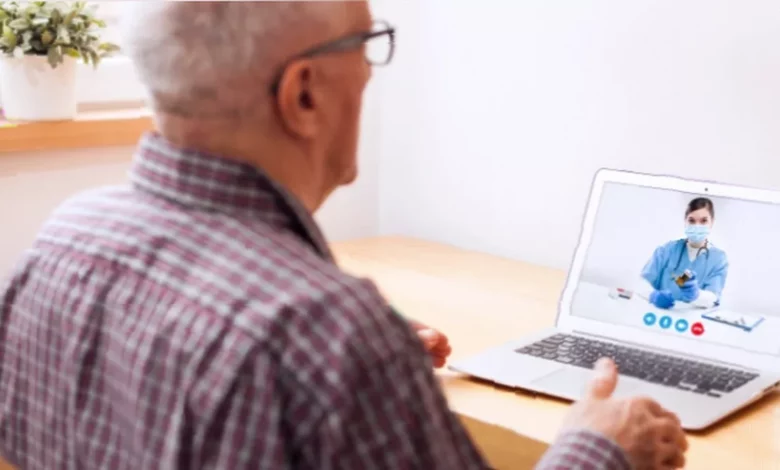
Effective counselling depends on comprehension, timing, and trust. Video visits allow patients to ask about side effects, dose changes, storage, missed tablets, or food interactions before taking the first dose. Some people speak more comfortably in a quieter room than at a busy counter, and that setting can improve recall, which matters when instructions are new. Telepharmacy also works well in outpatient clinics, hospital discharge programmes, and smaller neighbourhood stores. A health system may use remote review to support evening hours or part-time locations. In each setting, the goal remains practical, safe dispensing with timely pharmacist involvement, even when on-site coverage is limited.
Why access improves
Travel distance remains a serious barrier for many patients, especially older adults, caregivers, and people with limited transportation. Telepharmacy helps keep pickup points open in small towns, clinics, and underserved neighbourhoods. Shorter trips can mean fewer delayed starts, fewer missed refills, and better continuity for long-term treatment plans that depend on regular medicine use. For operators, lower overhead may help sustain service in areas where a traditional model would close. Patients benefit most when convenience does not weaken safety, counselling, or prescription accuracy.
Patients managing diabetes, high blood pressure, asthma, or several chronic conditions often need regular follow-up around refill timing and medication changes. Caregivers benefit as well, because a nearby site may stay available even when a full pharmacy cannot. Independent pharmacies may use telepharmacy to keep a branch open in places that cannot support a full-time pharmacist every hour. State law determines what is allowed, yet the model can preserve local service while lowering staffing strain. That matters for communities where one closure leaves residents without nearby prescription pickup, over-the-counter guidance, or medication review. Hospitals often face pressure to complete discharge prescriptions quickly and safely. Telepharmacy can help by allowing a pharmacist to verify orders and counsel patients before they leave the facility, reducing late confusion about antibiotic schedules, anticoagulant precautions, or pain medicine dosing. Families also leave with clearer instructions for the first night at home. Studies indicate high levels of patient satisfaction with telepharmacy services, particularly with home delivery and virtual consultations, and the model can reduce travel expenses, missed work time, and repeated trips caused by limited staffing.
Safety controls
Distance does not remove professional oversight. Remote pharmacists still examine prescription details, patient history, product images, allergy alerts, and dosing concerns before release. Video counselling creates a direct clinical exchange when clarification is needed. Documented review steps support accountability, because each verified order leaves a record of who checked it and when.
In Great Britain, the General Pharmaceutical Council (GPhC) is the primary regulator for pharmacies, including those providing services online or at a distance. The GPhC’s stance is that any pharmacy offering services via the internet must be registered and meet the same high standards as traditional brick-and-mortar pharmacies, with additional specific guidance for remote services. In Northern Ireland, regulation falls under the Pharmaceutical Society of Northern Ireland (PSNI). New regulations implemented in England from June 2025 have introduced significant changes for distance selling pharmacies (DSPs) operating under NHS contracts: no new applications for DSPs will be permitted from June 23, 2025, and from October 1, 2025, DSPs will be prohibited from offering face-to-face services at their premises, with limited exceptions for COVID-19 vaccinations until March 2026. This means DSPs will primarily function as remote providers, delivering NHS pharmaceutical services from a distance. For minor illness consultations under the Pharmacy First Service, if a face-to-face assessment is required, patients must be referred to a traditional pharmacy or another healthcare professional, as they cannot attend the DSP premises.
The GPhC emphasises that all applicable laws, including those for medicines sold or supplied outside the UK, must be followed. Businesses linked to online pharmacies, such as online prescribing services, must also be legitimate and registered with the appropriate UK regulators – for example, the Care Quality Commission or Healthcare Improvement Scotland. Advertising of prescription-only medicines to the public is prohibited in the UK, and online pharmacies must adhere to rules set by the Medicines and Healthcare products Regulatory Agency (MHRA) and the Advertising Standards Authority (ASA).
Patients should ask who verifies each prescription, when live counselling is offered, and what happens if the video connection fails. Insurance coverage, language access, and hours for follow-up questions deserve equal attention. Local rules may also affect which medicines can be dispensed remotely. Clear answers help patients judge whether a site fits their clinical and practical needs. Telepharmacy programmes operate under state pharmacy law, licensing rules, and health information privacy standards. Patients should be told how video visits are handled, where records are stored, and who can access those files. A trustworthy site explains consent steps in plain language and provides a reliable way to reach a pharmacist after pickup if concerns arise. Protecting sensitive patient health information requires robust cybersecurity measures, and the proliferation of fraudulent telepharmacy websites poses a risk to patient safety and market trust. Researchers continue to conduct ongoing work around medication adherence, error rates, and patient satisfaction, while the central issue remains straightforward: people need dependable pharmacy care close to where they live, with clear guidance and sound professional review.