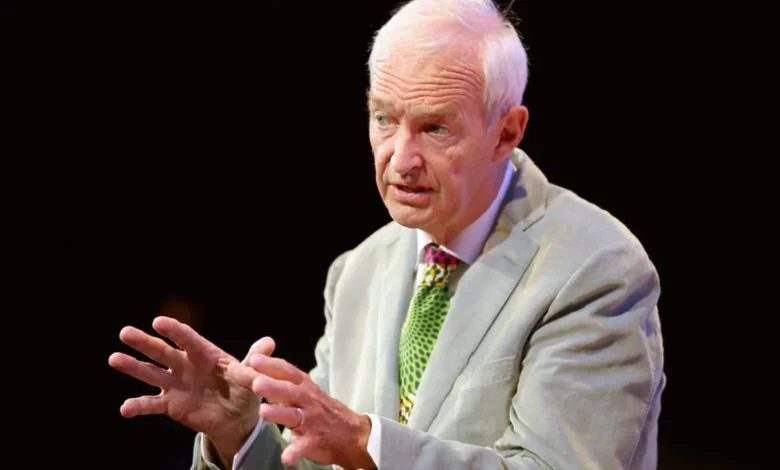
The decision by veteran broadcaster Jon Snow to reveal his Alzheimer’s diagnosis has prompted a sharp rise in visits to the Alzheimer’s Society website, as thousands of people sought information about the condition and how to help. The charity reported a significant increase in traffic following his announcement, with a particular spike in visits to its dementia symptoms checklist.
Snow, the former long-serving anchor of Channel 4 News, said: “As a journalist, you never expect to become the story, but it’s heartening to know that sharing my experience has contributed to a surge in visits to Alzheimer’s Society’s website, with people seeking information, support and ways to get involved in the fight against dementia.”
How personal stories drive public awareness
The phenomenon is not new. A similar surge in website traffic for dementia charities was observed after the actor Bruce Willis publicly disclosed his diagnosis — a pattern now referred to as the “Bruce Willis effect”. It underscores the powerful role that public figures can play in normalising conversations about a condition that remains heavily stigmatised. Snow himself admitted he initially wanted to hide his diagnosis, saying: “At the beginning I wanted to hide it, there’s so much prejudice. Any sort of hint of mental decay, you’re sort of dead.”
Research has shown that storytelling and sharing life experiences can be profoundly beneficial for individuals living with dementia. Reminiscing about past events can help access still-viable memories, improve a person’s present well-being, and support their sense of identity and personhood. It can also alleviate symptoms of agitation, depression and isolation. Snow’s decision to speak openly about his condition is therefore not only raising awareness among the public but also contributing to broader efforts to destigmatise dementia and encourage earlier diagnosis.
The 78-year-old received his diagnosis in 2023, after retiring from Channel 4 News. He has chosen to speak publicly to raise awareness for dementia, which affects around a million people in the UK and is the country’s biggest killer. His announcement was met with an “outpouring of support and affection” from figures including Prime Minister Sir Keir Starmer, who called Snow a “true giant in journalism”, as well as singer Annie Lennox and long-time colleague Kirsty Lang.
A new Channel 4 documentary, Jon Snow: A Last Big Story, set to air on June 20, will follow Snow as he investigates the aftermath of a mining disaster in Zambia, while also delving into his personal experience with Alzheimer’s. In the film he reflects on the prejudice surrounding the illness and notes that his condition is not “an all-day, every-day” occurrence — something he “clings on to”.
The fight against dementia
Dementia remains the UK’s leading cause of death, yet the Alzheimer’s Society has long argued it is not treated with the same urgency as other major health conditions such as cancer. Michelle Dyson, the charity’s chief executive, stressed the critical need for faster and fairer access to diagnosis. “An early diagnosis can unlock vital support, help families plan ahead and potentially open the door to participation in clinical trials,” she said. She added that too many people are waiting too long, with an average delay of 3.5 years.
Snow’s personal connection to the illness is deeply rooted. His mother, Joan, struggled with dementia for a decade before her death in her eighties. His wife, Dr Precious Lunga, an epidemiologist with a PhD in neuroscience, has been a source of support. She said: “Life doesn’t end with an Alzheimer’s diagnosis, but it changes dramatically. You can have Alzheimer’s and still be a valuable member of society but you need support to navigate it.”
Snow has also been a long-time supporter of Alzheimer’s Research UK, championing its work in diagnosing, treating and preventing dementia. In 2016 he participated in the charity’s virtual reality project, A Walk Through Dementia. Throughout his distinguished career — which included 32 years presenting Channel 4 News, covering the fall of the Berlin Wall, the release of Nelson Mandela and Barack Obama’s inauguration, as well as postings with ITN in Somalia, Vietnam and Washington — he collected numerous honours including BAFTA Fellowships and Royal Television Society awards. He notably declined an OBE, holding the view that working journalists should not accept honours from those they report on.
The Alzheimer’s Society is now campaigning for a reform in care for people living with dementia and their families, advocating for a healthcare system that is ready to deliver new treatments and services. Snow’s public disclosure aligns with that mission, turning a personal story into a catalyst for wider change.