A senior nurse who fraudulently claimed nearly £20,000 by adding fake shifts to hospital rotas has been struck off the nursing register. Faith Chareka, a Senior Sister in the emergency department at Wexham Park Hospital in Slough, admitted systematically manipulating the staffing system over more than two years to pocket money and accrue paid time off she had never earned.
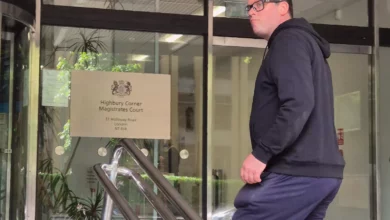
Chareka pleaded guilty to fraud by false representation at East Berkshire Magistrates’ Court in September 2024 and was sentenced at Reading Crown Court on 16 April 2025. The judge handed down an 18-month suspended prison sentence, alongside a 15-day rehabilitation activity requirement and 200 hours of unpaid work. In court, the judge described her actions as “repeated and premeditated dishonesty over a period of two years”. Chareka was dismissed by Frimley Health NHS Foundation Trust in 2023 following an internal investigation, having been suspended from her position on 21 April that year after the fraud allegations emerged.
How the fraud worked
Chareka, who had been employed by the trust since January 2013, held administrative access to the hospital’s HealthRoster system in her role as Senior Sister. Between 1 November 2020 and 1 February 2023 she used that access to add a total of 50 shifts she never worked, inserting them retrospectively onto the rosters. While some of the fake shifts were claimed at the basic rate, the majority were paid at an enhanced rate typically applied to night shifts, bank holidays and weekends. In total, she received £19,575.41 in wages she was not entitled to, and also accrued 540 hours of time off in lieu (TOIL) for which she was not required to work.
Impact on patient care and NHS resources
The Nursing and Midwifery Council (NMC) fitness to practise committee, which considered the case after her conviction, highlighted the serious consequences of the fraud for both patients and the health service. Rosie Welsh, the case presenter for the NMC, told the hearing that Chareka “placed patients at potential risk of harm by exposing the ED to the potential risk of understaffing, delays, reduced support for colleagues and wider strain upon the service”. The panel’s report noted that by falsely claiming TOIL, Chareka meant other staff had to cover the shifts she had nominally taken off, directly affecting human resources and creating additional pressure on colleagues already working in a busy emergency department.
The offending was described during sentencing as “committed against a publicly funded NHS body already under financial pressure”. Frimley Health NHS Foundation Trust, which serves around 900,000 people across Berkshire, Hampshire, Surrey and South Buckinghamshire, has an annual turnover of £1 billion and employs 13,500 staff. The fraud occurred during and beyond the Covid-19 pandemic, a period when the trust was already facing staffing shortages and increased waiting times. The NMC panel expressed concern that Chareka’s conduct “removed substantial funds from the trust” at a time when NHS resources were already stretched. Nationally, the NHS Counter Fraud Authority estimates that the health service loses approximately £1.27 billion each year to fraud – a sum that could fund more than 40,000 staff nurses or over 56,000 junior doctors for a year.
NMC decision and sanction
At the NMC hearing, Ms Welsh argued that the only sanction capable of maintaining public confidence in the profession and marking the seriousness of the misconduct was a striking-off order. Alexandra Monaghan, representing Chareka, submitted that the purpose of a professional sanction is not to punish and reminded the panel that her client had already been “sufficiently punished in the criminal court”. She said Chareka had “demonstrated genuine remorse and insight” into the seriousness of her conduct, had “expressed repeated heartfelt apologies” and had spent considerable time reflecting on her actions.
Despite those submissions, the panel decided to strike Chareka off the nursing register. In its report, the panel stated: “The facts leading to your conviction for fraud included the repeated allocation and booking of shifts you did not work by accessing the roster and adding shifts retrospectively for your financial and personal gain. Your dishonesty included taking TOIL. The panel was concerned about the potential impact of your conduct on patient services and the workforce. … The panel concluded that your conduct could have had a direct impact on human resources and the financial position of the trust.”
Because the striking-off order cannot take effect until the end of a 28-day appeal period, the panel imposed an interim suspension order lasting 18 months to cover any potential appeal. The sanction means Chareka is now prohibited from working as a nurse in the UK.