
One in ten UK graduates are now seeking jobs abroad, according to new research that lays bare the scale of a deepening crisis in the domestic labour market for young people.
The proportion of final-year students planning to look for work overseas has risen by a third in just one year, from 7.8 per cent in 2024 to 10.2 per cent, according to a study by graduate recruitment research firm High Fliers. The findings, based on more than 15,000 students at 30 universities including Oxford, Cambridge, Warwick and Durham, come as official data shows a sustained exodus of young Britons. In the year to March 2025, 174,000 people aged 16 to 34 emigrated from the UK, the Office for National Statistics reported. While individual cases are difficult to track, the most popular destinations are English-speaking countries such as the US, Canada, Australia and New Zealand, as well as emerging economies in the Gulf and southeast Asia.
For many graduates, the decision to leave is born of frustration. Miko, a 24-year-old from Rugby, Warwickshire, who is in his final year studying natural sciences at Durham, applied for around 80 graduate jobs in London. Only about ten companies responded, and none led to an offer. He has now decided to move to Germany to do a master’s in finance. “In London you have eight to ten interviews just for an internship,” he said. “Whereas here, if someone doesn’t like you after two or three rounds, they’re not stringing you along for months to just ghost you or reject you. At home it’s a mess from everyone I know who’s trying to do finance. They’re doing 200 applications, endless online tests and virtual video screenings and never get to speak to a single human being.”
Phoenix Woolnough, 23, who graduated in politics and international relations from Durham, moved to Hong Kong to work as a teacher. She said: “My closest friends are back in the UK and they struggled so much to find jobs, many of them still haven’t.”
The grim state of the graduate job market
The High Fliers study found that only 27 per cent of final-year students had secured a job – in the UK or elsewhere – for September. In previous years that figure has typically stood between 35 and 40 per cent. Martin Birchall, founder of High Fliers, described this as “probably the worst time in the last 30 years to be leaving university”. The prospects of landing a job this summer, he said, are “the lowest they’ve been in all the years we’ve been doing this tracking” since 1995.
The broader picture is even starker. Graduate vacancies fell by 33 per cent in 2025, reaching their lowest level since 2018. Overall graduate recruitment at the UK’s leading employers has slumped by 24.5 per cent since 2022 – a larger reduction than during the pandemic or the 2008‑2009 recession. On the recruitment platform Reed.co.uk, the number of graduate roles advertised has dropped from 180,000 four years ago to just 50,000 last year.

Birchall noted that the decline has now persisted for three years, but is not linked to a recession or a singular national crisis. “You look at how graduate jobs have gone up and down since the Nineties, and every time there’s a dip on the chart you can put a name on it,” he said. “What we’ve seen now is three years of decline, but we can’t put a name to it. We’re not in a recession, this isn’t a singular national crisis but confidence in business is low and it seems nobody wants to employ young people.”
The pressures on employers are compounding the problem. Increased National Insurance contributions and higher minimum wage costs are making entry-level recruitment more expensive, effectively pricing young people out of the market. Despite this, graduates are applying in record numbers. Over half of respondents in the High Fliers study said they started job hunting in their first year of university, and nearly 1.7 million applications were completed by February this year – more than double the previous cohort’s efforts. Yet the outcomes remain bleak. “It’s the second lowest it’s ever been and yet this cohort appears to have done more applications and more engagement with employers,” Birchall said. “They’ve taken part in record numbers of career activities, and more than ever before they started early.”
The crisis extends beyond recent graduates. An interim report by former Labour health secretary Alan Milburn warned last week that a “whole-system failure” has led to nearly one in seven of the UK’s 16‑ to 24‑year‑olds being not in employment, education or training – the category known as Neets. The latest data showed the number of young people neither working nor learning topped one million for the first time since 2013, reaching 1.01 million in the three months from January to March. Without urgent action, Milburn said, this could rise to one in six young people by 2031. The economic cost of youth unemployment is estimated at £125 billion annually.
Milburn’s report highlighted several structural drivers: disparities in wealth, background, geography and ethnicity; growing mental health problems – anxiety and depression are increasingly central to youth inactivity; an education system that fails to prepare students for work; and a welfare system that spends £25 on benefits for every £1 on employment support. Meanwhile, traditional entry‑level opportunities such as Saturday jobs are becoming rarer, and six in ten Neets have never had a job at all, compared with four in ten in 2005.
Graduate pragmatism – and the ‘snowflake’ myth
A separate survey, the CFA Institute 2026 Graduate Outlook Survey, paints a picture of a generation willing to adapt. Among 1,250 UK‑based participants, more than two‑thirds of 18‑ to 25‑year‑olds polled said they are prioritising getting any job over their dream role, and three‑quarters are willing to switch industries, relocate or take a lower‑paid job to secure their ideal position. Despite the “doom and gloom” narrative, almost two‑thirds of those surveyed are studying and expressed high confidence.
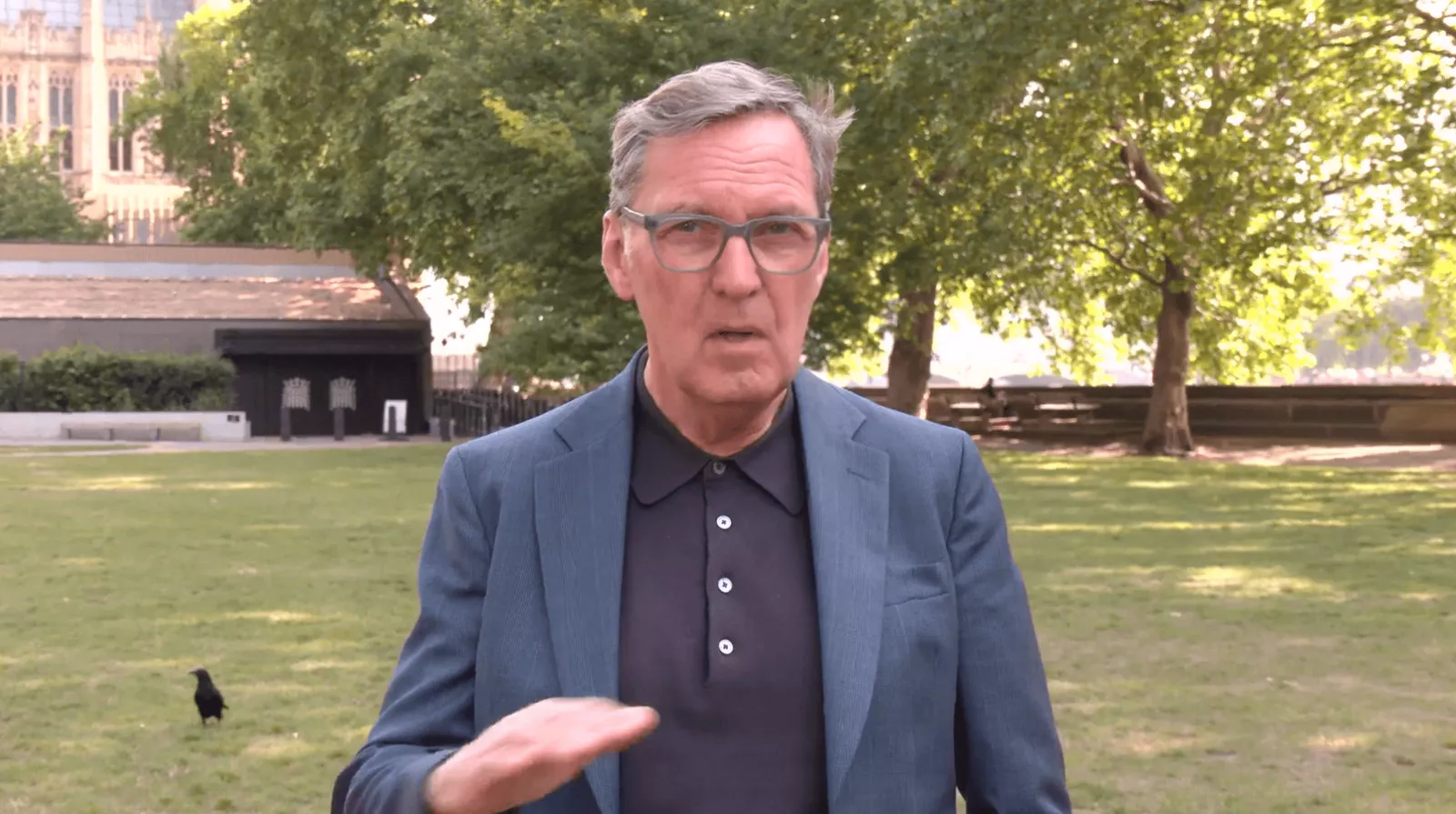
Peter Watkins, senior director of university programmes at the CFA Institute, said the results challenge the stereotype of a “snowflake generation”. “I think that it goes against that stereotype, doesn’t it, of Gen Z‑ers and young people not being willing to compromise,” he said. “I think we’ve seen quite the opposite in these statistics and evidence of being happy to be flexible and relocating, switching, even taking lower paid jobs. It’s not the snowflake attitude that you read about. Or there’s the picky stereotype. Although it’s a bit sad that people don’t get jobs directly in what they want to do, I think it does counter that not being willing to do different kinds of work. I don’t think that that’s true actually, and I think this evidence is supporting that.”
The rapid integration of generative AI is also reshaping the entry‑level landscape, automating tasks that graduates would previously have taken on. Only 13 per cent of graduate schemes include AI training, leaving many young workers unprepared. The CFA survey noted that while graduates are increasingly using AI tools in applications, they also believe interpersonal skills are becoming more important. There is a widening mismatch between the skills developed at university and those demanded by employers; 95 per cent of graduates view upskilling and post‑graduate qualifications as important.
Mental health remains a significant barrier. The Youth Employment 2024 Outlook found that 85 per cent of young people with mental health conditions believe it affects their ability to find or function in work.
Government and expert reaction
Prime Minister Sir Keir Starmer described Alan Milburn’s report as “sobering” and vowed: “We will not allow a lost generation.” The Prime Minister’s commitment comes against a backdrop of more than one million young people already outside the workforce and provisional ONS estimates for the year to June 2025 suggesting total emigration from the UK reached 693,000, with British nationals making up 36 per cent of that figure.