MPs have warned that the absence of a Defence Investment Plan is humiliating Britain in front of its allies, as the Government prepares to face key European leaders without a spending blueprint. The cross-party Public Accounts Committee (PAC) last night issued a blistering report accusing Labour of damaging the Armed Forces through chronic delays to the document, which was supposed to follow the Strategic Defence Review last June but remains unpublished a year later.
Report accuses Government of damaging credibility and armed forces
In its report, the PAC warned that the delay risks “squandering the opportunities provided by advances in technology, hindering the government’s attempts to modernise the Armed Forces”. Sir Geoffrey Clifton-Brown, the committee’s chairman, delivered a withering attack on what he called “bureaucratic drift”, saying that excuses about “taking the time to get the details right simply do not cut it”. He added: “Whatever the content of the DIP when it eventually does appear, the damage from its absence has been done – to the nation’s credibility, to its safety, to its armed forces, and to certainty within its entire defence industrial base.”
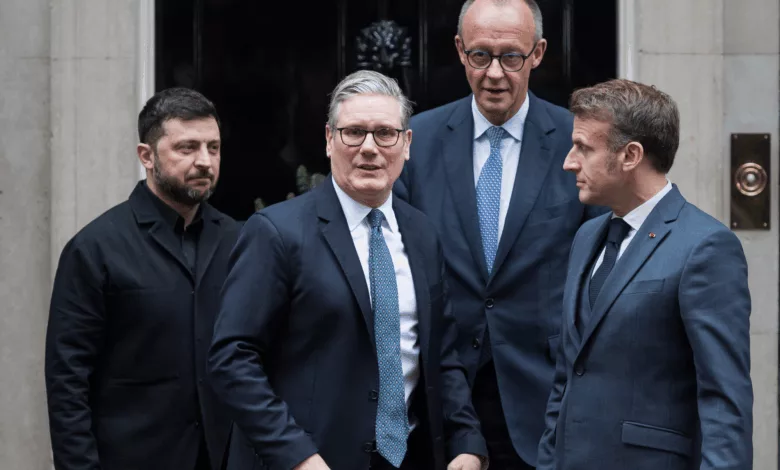
The Prime Minister is expected to confront Volodymyr Zelensky, Emmanuel Macron and Friedrich Merz later today without a finalised plan, and will then face the NATO summit in Ankara on 7 July with the document still unpublished, despite his vow that it would appear beforehand. Sir Geoffrey said any minister attempting to explain away the delay “should instead ask themselves what message the bureaucratic drift of the past months has given to the public, as well as the UK’s allies and its adversaries, and simply apologise”.
The PAC’s criticisms come as the Chief of the Defence Staff, Sir Richard Knighton, warned that Britain is “running out of time” to boost its defences, describing the current period as the “most dangerous” in decades and stressing the need to prepare for potential “longer conflicts”. The MoD has indicated the DIP aims to fix what it calls an “outdated, overcommitted and underfunded programme”.
Defence industry and armed forces left in limbo
The absence of the investment plan has left defence firms that were expecting to ramp up production ahead of a potential 2030 conflict waiting – and some have already collapsed entirely, the PAC noted. The UK’s defence industrial base has “wilted” due to declining spending, with shuttered production lines and firms being acquired by overseas competitors. There are concerns that resource limitations are hindering innovative suppliers and that high barriers to entry are locking out small and medium-sized enterprises.

Specific programmes highlight the scale of the problem. The troubled Ajax armoured vehicle programme, a £6.3 billion procurement plagued by years of delays, remains non-operational. The vehicle, built by US firm General Dynamics, has caused hearing problems and sickness among dozens of soldiers. An exercise in November 2025 had to be halted because of persistent noise and vibration issues. Current workarounds require maintenance checks after every use – a practice MPs said would be impractical in combat. The Ministry of Defence is developing upgrades to improve the vehicle, but last night’s report failed to mention the costs, and MPs said they are waiting for those figures “more in hope than in expectation”.
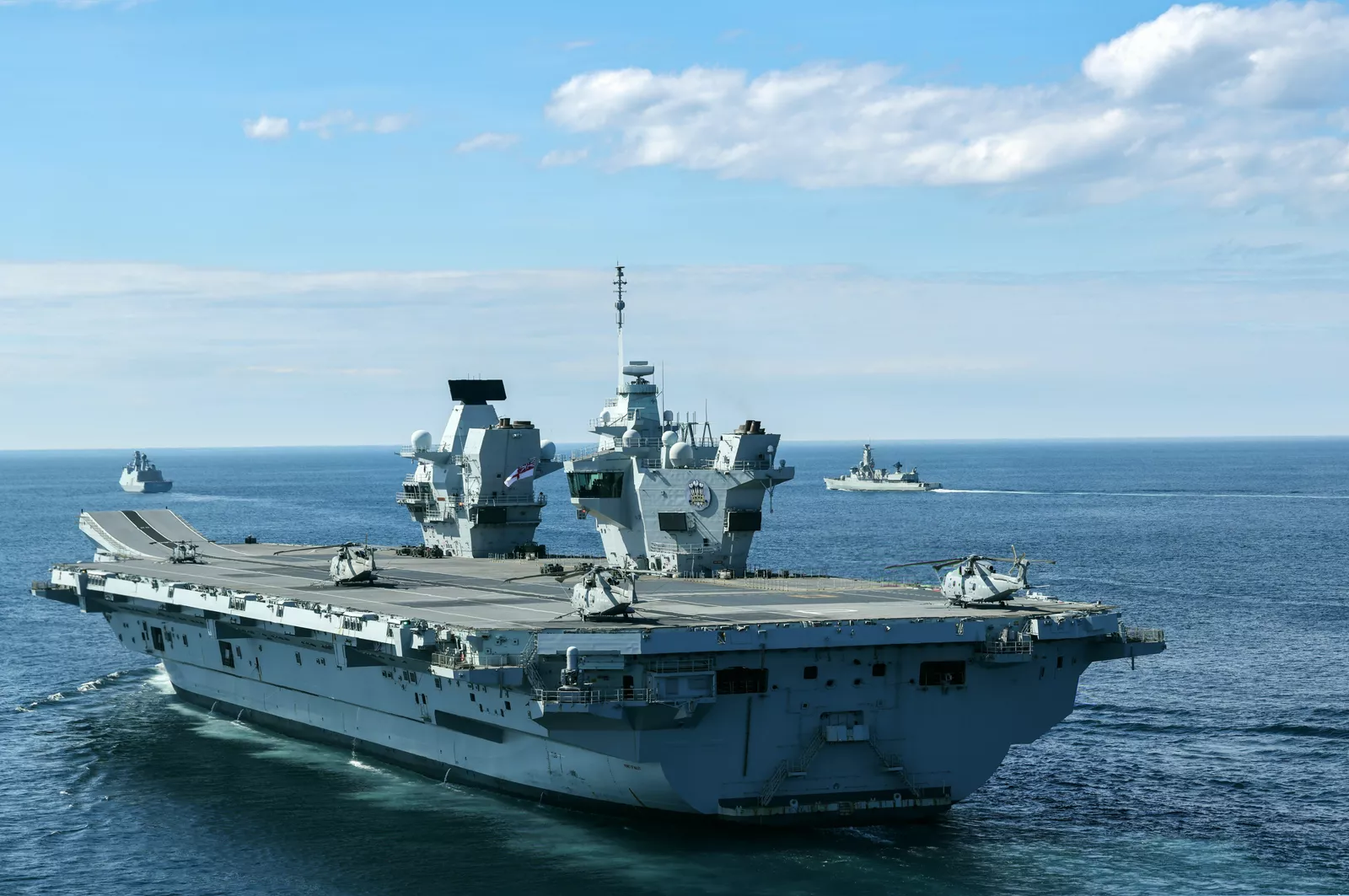
In a further blow to the Armed Forces, the Royal Navy’s entire available fleet of hunter-killer submarines is stuck in port. All five Astute-class submarines are currently awaiting maintenance, while the aircraft carrier HMS Prince of Wales has broken down again and is bobbing off the coast of Norway after suffering another failure. The situation has been described as a “final humiliation”, and the Chief of the Defence Staff has previously warned that the UK needs to spend more on defence and do it faster.
Funding stand-off paralyses investment plan
The paralysis at the heart of the delayed Defence Investment Plan stems from a deep disagreement over funding. Since the Strategic Defence Review was published last June, the document was meant to follow in autumn 2025, but a year on it remains unpublished because of a stand-off around the Cabinet table over costs. The plan has been repeatedly postponed, and is now expected in July shortly before the NATO summit.
Boosting defence could cost at least £28 billion, but both Chancellor Rachel Reeves and the Prime Minister are thought to want to water down that number to as little as £12 billion over concerns it is unaffordable. Military chiefs have warned of a £28 billion shortfall in funding over the next four years. The disagreement reflects a broader tension in the Government’s fiscal strategy: the UK spent £60.2 billion on defence in the 2024/25 financial year, with plans to rise to £73.5 billion by 2028/29 – an average annual real-terms growth of 3.8 per cent. Yet NATO’s latest figures show the UK spent only 2.31 per cent of GDP on defence last year, a downward revision that places it below the Netherlands, Turkey and Greece in percentage terms. The Government has committed to reaching 2.5 per cent by 2027 and 3.5 per cent by 2035.
Conservative defence spokesman Mark Francois last night accused Labour of “failing the defences of this country”, pointing to “Labour’s £3.5 billion in-year cuts to Ministry of Defence operational and revenue spending”. He added: “Their much-vaunted DIP has still not been published, and now this. This Labour Government is failing the defences of this country – literally both above and below the waves.” Sir John Major has previously warned that not funding defence is a “betrayal” of Britain’s future.
The PAC’s report also highlighted broader systemic problems in defence procurement, including overspecification, inter-service rivalry, short-termism, optimism bias and a weakening of sovereign capability. The National Audit Office has repeatedly raised concerns about massive cost overruns and understated project costs. The new Procurement Act 2023, which took effect in February 2025, is meant to address some of these issues by introducing new duties and procedures for suppliers.
Government defends record and pledges progress
Reacting to the PAC’s report, a Ministry of Defence spokesman said: “The Government is providing a generational increase in defence spending, with an extra £270 billion across this Parliament, ensuring no return to the hollowed-out Armed Forces of the past and the Strategic Defence Review sets out our path to increasing warfighting readiness.” The spokesman added that since July 2024 the MoD has signed over 1,400 major contracts, with nine in ten contracts going to British-based companies.
The Government has also committed to launching a Defence Industrial Strategy, aiming to make defence an “engine for growth” and enhance resilience. The Prime Minister has indicated that the DIP will be published before the NATO summit, with an announcement potentially coming this Thursday. He has described the plan as “another step up” in military spending. Meanwhile, Ukraine has received £4.5 billion in military assistance from the UK this year, and a new defence deal signed in March 2026 focuses on co-production of drones and battlefield technology, including a £500,000 investment in an AI centre of excellence in Kyiv.