Trump cautioned that Chagos Islands are not up for sale after reports he wants to buy them

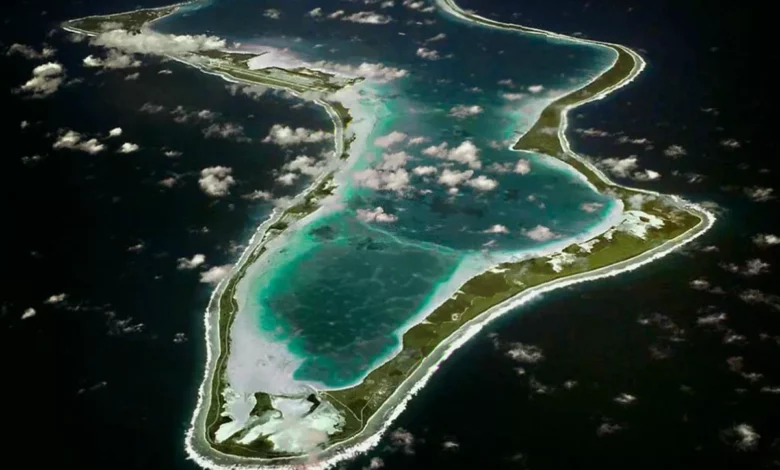
The White House has been reported to have considered purchasing the Chagos Islands directly from Mauritius, a move designed to sidestep the troubled UK-Mauritius deal and secure the future of the Diego Garcia military base. Sources familiar with the discussions told The Independent that the option was examined as a way to mitigate what was described as a “terrible deal between the UK and Mauritius,” although the same sources said the proposal was “no longer on the table.” President Trump is understood not to have viewed the potential purchase in the same light as his attempts to pressure Denmark into selling Greenland, but the rumour has drawn sharp opposition from Chagossian leaders and Westminster politicians alike.
US purchase rumour and strategic concerns
The reported consideration of a direct US acquisition of the archipelago came as Sir Keir Starmer’s plan to cede British sovereignty over the Indian Ocean territory to Mauritius continued to stall. Diego Garcia, the largest island, hosts a crucial joint UK-US military base described as one of America’s most important overseas facilities, with a significant airfield, fuel storage, radar installations, a forward operating station for nuclear submarines, and a Space Force tracking station. Some 2,500 US personnel are based there, and the base has been a critical launchpad for long-range bomber missions, including strikes against Iran, operations in the Gulf Wars, the Iraq War, and recent action against the Houthis in Yemen.
The purchase option emerged amid US concerns that a transfer of sovereignty to Mauritius could open the door to Chinese influence. Mauritius has close ties with China, which has made substantial investments in the country. Under the terms of the UK-Mauritius agreement, which was signed on 22 May 2025, the UK and US would be required to inform Mauritius of all operations from the base, including the recent military operations against Iran. Critics have warned that if Mauritius granted China access to other parts of the archipelago, the strategic value of Diego Garcia could be undermined.
Mauritius has stated that it has received no official proposal from the Trump administration regarding a purchase and insists that its sovereignty over the Chagos Archipelago is “non-negotiable.”
The UK-Mauritius deal: rationale and legal challenges
The row over the future of the Chagos Islands began when the UK government announced it would hand over sovereignty of the archipelago to Mauritius and pay an estimated £35 billion over 99 years to lease back the Diego Garcia base and secure its continued operation. The government maintained that the deal was necessary because of the 2019 advisory opinion from the International Court of Justice (ICJ), which ruled by a 13-1 majority that the UK’s detachment of the Chagos Archipelago from Mauritius in 1965 was unlawful and that the UK had an obligation to end its administration “as rapidly as possible.” The ICJ found that the decolonisation of Mauritius had not been lawfully completed. That ruling was reinforced in 2021 by the International Tribunal for the Law of the Sea (ITLOS), which affirmed that the islands belong to Mauritius.
However, critics have pointed out that the UK holds an exemption from ICJ rulings relating to Commonwealth and former colonial territories. The same exemption also applies to the International Law of the Sea, which the UK government claimed it could face further legal challenges on if it refused to negotiate. The UK originally detached the Chagos Archipelago from Mauritius in 1965, three years before Mauritian independence, in exchange for a £3 million payment and other concessions to the colonial government — a deal Mauritius later argued was made under duress. Between 1967 and 1973, the UK forcibly removed the entire Chagossian population, numbering around 2,000 people, to make way for the Diego Garcia base, an act that remains a deeply contentious human rights issue.
The proposed legislation to enact the sovereignty transfer failed to pass in the previous parliamentary session and was not included in the King’s speech, meaning new legislation would be required. The UK government has acknowledged that the deal has stalled due to a lack of US approval and has said it will only proceed with American support. Lord Peter Weir, a Democratic Unionist Party peer, has tabled a bill in the House of Lords with cross-party support aimed at preventing any transfer or sale of the islands without parliamentary approval, a referendum of Chagossians, and the consent of a future elected government of the British Indian Ocean Territory (BIOT).
“It is encouraging that it was not in the King’s speech but is disturbing that the UK government has said it has not abandoned the deal,” Lord Weir said. His bill — the British Sovereignty Protection (Chagos Islands) Bill — would also align with a ruling by the BIOT court ordering the UK to allow Chagossians to resettle the islands.
Chagossian opposition and calls for self-determination
Misley Mandarin, the first minister of the self-declared Chagossian government in exile, who is already engaged in a legal dispute with the UK government, made clear that any proposal to sell the islands would be opposed. “The Chagos Islands are not for sale and should not be ceded,” he told The Independent. “The only feasible option is the resettlement of British Chagossians in the British Indian Ocean Territory.”
Lord Weir echoed that sentiment, saying: “I don’t believe that either people or sovereignty can be up for sale. This is British territory not simply a piece of real estate which can simply be sold off or given away.” He drew on his experience of the Northern Ireland peace process to emphasise “the importance of self determination” and said his bill would lay the ground for other British protectorates, such as the Falkland Islands, to protect their own right to self-determination.
The Chagossian government in exile, formed to advocate for the rights of the displaced population, opposes the UK-Mauritius agreement on the grounds that it infringes on Chagossian rights to return to their homeland. Lord Weir’s bill would require agreement from the Chagossian government and a referendum of Chagossians before any removal of British sovereignty could take place, ensuring that the people who were forcibly removed from the islands have a decisive say in their future.