
Taylor Parker faked a pregnancy, complete with a gender reveal party and a wardrobe of baby clothes, after secretly undergoing a hysterectomy she never told anyone about. By October 2020, the 29-year-old Texan had spent months pretending to everyone around her that she was carrying her first child with boyfriend Wade Griffin. The problem, as prosecutors would later put it, was brutally simple: she could not have been pregnant.
Parker had undergone a hysterectomy in 2019, a fact she concealed from Griffin, who fully believed the couple were expecting. Prosecutors argued that the elaborate deception – which also included collecting baby items and watching childbirth videos – was driven by Parker’s fear of losing him. The couple had met at a rodeo in 2019, and Griffin later described the relationship as an “emotional rollercoaster”. He told the court that Parker cooked meals, cared for livestock and helped run the home, while also promising him 800 acres of land. In reality, she had worked at a staffing agency and an OB-GYN clinic. Investigators said she had also falsely claimed ties to the Blackburn syrup fortune while attempting to buy a $4.7 million estate.
What followed became one of the rarest and most disturbing murder cases in modern American crime, ending with Parker on death row in Texas. The violence itself took place on October 9, 2020, in the city of New Boston, deep in the state’s east. Reagan Simmons-Hancock, a heavily pregnant friend of Parker’s, was seven and a half months pregnant. She knew Parker through photography work – Parker had photographed her engagement and wedding before the two became friends. According to prosecutors, Parker attacked Simmons-Hancock inside her own home. Investigators later said the victim had been stabbed and slashed more than 100 times. Reagan’s three-year-old daughter, Kynlee, was also in the house; she was found unharmed, hiding beneath a blanket on a bed.
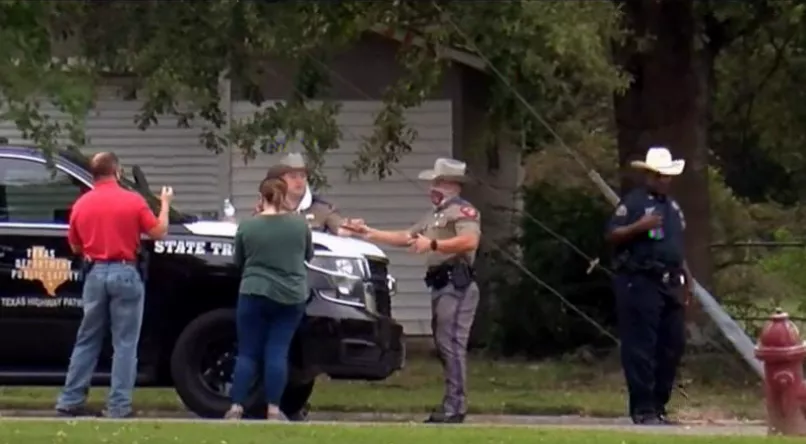
Parker left the house with the newborn, but her escape collapsed almost immediately. A state trooper stopped her for erratic driving. The officer found Parker covered in dried blood, with the baby in her lap and the umbilical cord still attached. Parker claimed she had given birth at the roadside. The trooper had no reason not to believe her. Doctors at a hospital in Idabel, Oklahoma, however, found no signs that she had recently given birth. During questioning, Parker admitted being in a “physical altercation” with Simmons-Hancock and taking the baby from her friend’s body.
The legal fight over whether the baby was born alive
At the heart of the case is a grim legal question that has kept the case alive in the courts long after the trial: was Braxlynn – Reagan’s unborn daughter – alive when Parker removed her from her mother’s body? That question matters because Parker was convicted of capital murder, and prosecutors argued that the killing was aggravated by kidnapping. Parker’s lawyers later argued that if Braxlynn had not been born alive, she could not legally have been kidnapped. It is the sort of technicality that becomes critical when a life – and a death sentence – hangs in the balance.
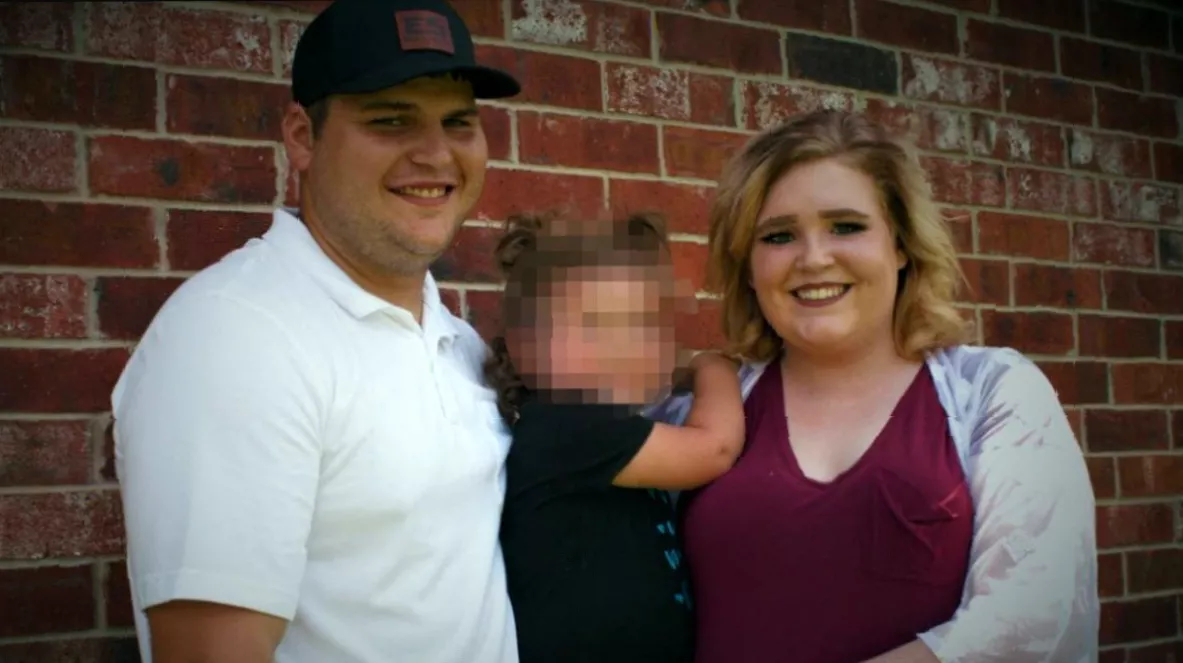
Texas appeal judges rejected the defence’s argument. They ruled that a rational jury could find Braxlynn had been born alive before she was kidnapped. The US Supreme Court declined last month to review Parker’s case. Her conviction and death sentence have already been upheld by the Texas Court of Criminal Appeals. The jury that convicted Parker of capital murder in October 2022 sentenced her to death the following month. She is now 34 and one of only seven women on death row in Texas. No execution date has been set.
At trial, the defence did not try to prove that Parker had not killed Simmons-Hancock; the focus was on sparing her from lethal injection. A neurologist called by the defence said “something is very wrong with her brain” and diagnosed her with frontal lobe syndrome, a condition that can involve serious changes in behaviour, emotion and judgement. Parker’s appeal lawyers also argued that the trial had been tainted by heavy media coverage and social media commentary. A request to move the case out of Bowie County had been denied. They said prosecutors had portrayed Parker as a “deviant” and a “terrible mother”. The courts were not persuaded that those arguments were enough to overturn the verdict.
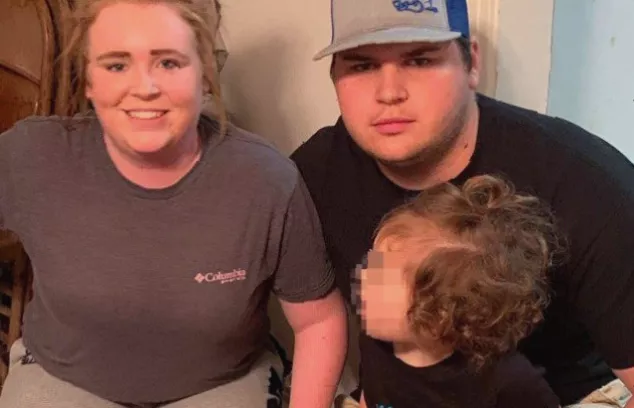
Cases like this are almost entirely unheard of. Fetal abductions by maternal evisceration numbered just 15 in the United States between 1987 and 2011, with around 100 recorded worldwide in that time period. The rarity is part of what makes Parker’s story so difficult to comprehend. The case is now attracting fresh attention ahead of the release of a Netflix documentary, Maternal Instinct, which examines the killing, the investigation and the courtroom battles that followed. It will be available to watch from June 12.