Solicitor General Ellie Reeves has referred the sentence of Vickrum Digwa, the man convicted of murdering 18-year-old student Henry Nowak, to the Court of Appeal under the Unduly Lenient Sentence (ULS) scheme, following a public outcry over both the punishment and the police response to the attack.
The referral means the Court of Appeal will now review whether the life sentence with a minimum term of 21 years imposed on Digwa was too low, and whether it should be increased. In a statement, Ms Reeves said: “This case horrified me, and I know that feeling is shared by the British public. It is right that difficult questions need to be answered about the way the police handled Henry’s murder, while my role is to review Digwa’s sentence for his crimes.” She added that no sentence could undo the family’s devastation but expressed hope the referral would bring them “the justice they deserve”.
How the Unduly Lenient Sentence Review Works
The ULS scheme allows Crown Court sentences to be re-examined if they are believed to be too low. Applications for review can be made by victims, members of the public, or the Crown Prosecution Service. The Attorney General or the Solicitor General can then refer the case to the Court of Appeal, which decides whether the sentence is unduly lenient and can increase it. In 2021, the scheme received 678 applications for sentence reviews, of which 151 were referred to the Court of Appeal, leading to 106 offenders having their sentences increased.
The Solicitor General has 28 days from the date of sentencing to refer a case to the Court of Appeal. However, victims and bereaved families have up to six months to appeal for a sentence reconsideration. Because Ms Reeves has referred Digwa’s sentence within that window, the Court of Appeal will now examine the minimum term of 21 years. The specific grounds for the referral have not been publicly detailed, but the review focuses on whether the minimum custodial element was unduly lenient.
The Original Sentence and Murder Details
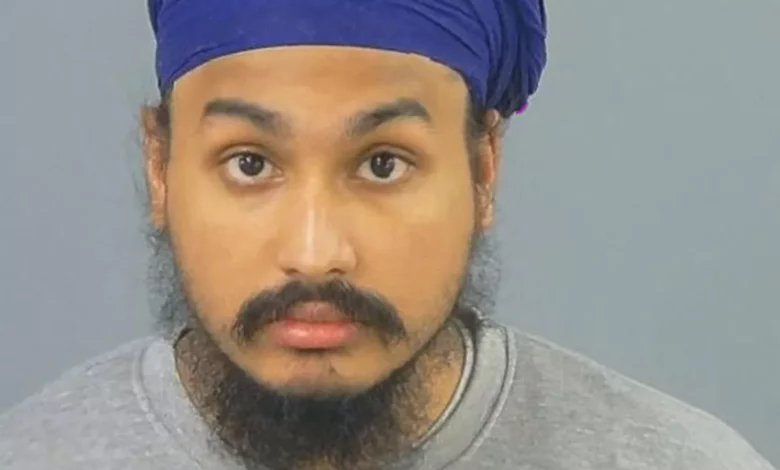
Digwa, 23, a British-born resident of Southampton, was sentenced in June at Southampton Crown Court to life imprisonment with a minimum term of 21 years for the murder of Henry Nowak. The court heard that on 3 December 2025, Nowak – a first-year university student studying accountancy and finance at the University of Southampton – was returning home from a night out with friends when Digwa stabbed him five times with a 21cm (8.3in) ceremonial Sikh knife, known as a kirpan. The wounds included two to the back of Nowak’s legs and a fatal blow to the heart.
During the trial, Digwa claimed Nowak, whom he said was drunk, had racially abused him, punched him and knocked his turban off. He said he stabbed Nowak in the legs in self-defence after being threatened and grabbed by the hair, and that he had not realised he had caused the fatal chest wound. The prosecution argued that Digwa had told “a wicked lie” to police, falsely claiming he was the victim of a racist attack, and lied by denying he had stabbed Nowak even as the dying student begged officers for help.
Judge William Mousley KC rejected Digwa’s account, describing his claims as “many lies”. The judge also noted that the murder did not involve Digwa taking the knife to the scene with the purpose of using it to commit an offence. The prosecution had argued for a higher starting point for the minimum tariff – potentially over 30 years – but Digwa’s defence successfully argued for a 15-year starting point, based on his assertion that carrying the additional kirpan was part of his religious beliefs. This led to the 21-year minimum term. Digwa had no previous criminal convictions but was described by prosecutors as having a “weapon obsession” and a substantial collection of blades. He had been investigated in 2023 on suspicion of stealing ceremonial blades from a Sikh temple in Southampton, but no further action was taken.
Nowak’s family have called for knife crime to be treated as a national emergency. An inquest into his death is scheduled for September 2027 to examine whether any acts or omissions by police, or delays in treatment, contributed to his death.
Police Handling and the Controversy
The case sparked a political row after bodycam footage showed responding officers handcuffing the fatally injured Nowak as he repeatedly said he had been stabbed and could not breathe. Officers arrested Nowak moments before he collapsed and became unconscious. Despite their efforts to administer first aid, he died. The Independent Office for Police Conduct (IOPC) is investigating the police response. One officer involved has resigned, while three others remain serving. Hampshire Police have issued an apology for their treatment of Nowak.
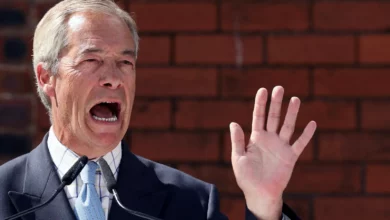
The footage triggered violent protests in Southampton, during which eleven police officers were injured and 21 people charged in connection with the disorder. Far-right activist Tommy Robinson spoke at a demonstration. Prime Minister Sir Keir Starmer met with Nowak’s family, saying he was “profoundly humbled” and committed to “righting the wrongs”. He urged politicians not to use the case “to cause disturbances” and called on the nation to choose unity over hatred, adding that Nowak “deserves a legacy that goes beyond this awful tragedy”. Far-right figures and some politicians have alleged a “two-tier policing” system, claiming discrimination against white people – a claim Sir Keir has rejected. US Vice President JD Vance and Elon Musk also commented on the case, with Musk offering to fund a private prosecution of Hampshire Constabulary.
Digwa’s mother, Kiran Kaur, was found guilty of assisting an offender by hiding the murder weapon. Sikh groups have condemned Digwa’s actions, stressing that the knife was not a religious necessity and that his conduct does not represent Sikh beliefs. They have expressed concern about rising anti-Sikh sentiment and misinformation.