Watchdog faces calls to probe Reform’s energy bills prize draw over personal data collection


Reform UK is facing calls for an official investigation over a competition that critics allege amounts to “data harvesting”, as the party asks entrants to disclose their past and future voting intentions for a chance to win a year of paid energy bills for their entire street.
The digital campaign group the Open Rights Group (ORG) has formally urged the Information Commissioner’s Office (ICO) to intervene, arguing the “Nigel cut my bills” postcode lottery stunt breaches transparency obligations under UK data protection law.
‘Trading privacy for material benefit’
To enter the promotion, advertised on the website nigelcutmybills.com, individuals are asked questions including who they voted for at the last general election and who they plan to support at the next. Unveiling the draw, Reform’s Treasury spokesman, Robert Jenrick, said the winner would receive a visit from Nigel Farage, who would “pay your energy bills and those of everyone who lives on your street for an entire year.”
ORG’s legal and policy officer, Mariano delli Santi, said the party was asking for “sensitive data about their voting habits without being transparent about how it will be used.” He stated: “Political opinions are among the most sensitive types of personal data, and voters must be able to engage in campaigns without feeling pressured to trade their privacy for the chance of material benefit.”
He warned the competition risked “turning democratic participation into a data-harvesting exercise,” undermining the trust and genuine consent needed for free elections.
A party under previous data scrutiny
The ICO, which has previously warned all political parties about their use of personal data, has been contacted for comment. Under UK GDPR, political opinions are classified as “special category data,” generally requiring explicit consent for processing. Parties must have an “appropriate policy document” in place and provide clear privacy information.
This is not the first time Reform UK’s data practices have drawn regulatory attention. In November 2025, the party was under ICO investigation for allegedly fabricating evidence to mislead the watchdog in response to a data subject access request (DSAR), an incident the party attributed to a “cock up and not conspiracy.” The Good Law Project has also launched legal action against Reform on behalf of individuals who claim the party ignored their DSARs.
Separately, the ICO has been examining allegations that Reform used a Meta pixel on its website to collect private browsing data without consent and share it with Facebook for targeted advertising.
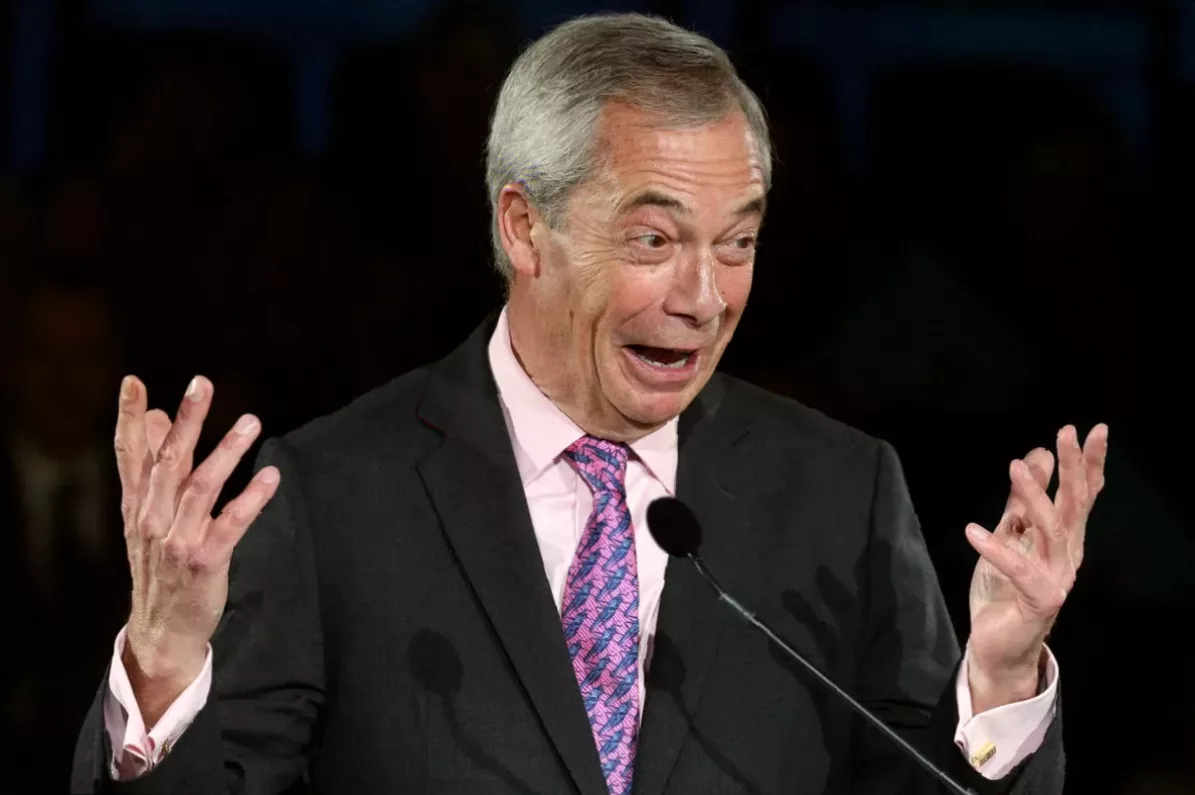
A spokesman for Reform UK said: “We are entirely confident that this competition is legal.”
The energy bill policy behind the prize
The competition promotes a core party policy: a pledge to scrap VAT and so-called green levies on household energy bills. Mr Jenrick claimed it was “outrageous” that taxes and levies added £200 to bills and that his party’s plans would save the average household “at least £200” annually.
The party’s detailed estimates, drawn from its research, break down the proposed savings: removing the 5% VAT on energy bills would save around £78; axing the Renewables Obligation levy would save approximately £117; and scrapping the Carbon Price Support mechanism would save about £15.
Reform UK says it would fund these cuts through a 7.5% reduction in the budgets of unprotected arm’s length bodies, or quangos, claiming this would save £2.5bn a year. The party also proposes unwinding renewable subsidies over time to make the policy cost-neutral. Critics have accused Reform of “opposing the products that can help bring down energy bills,” noting reports it would scrap the UK’s heat pump subsidy scheme.
Global conflict and a government support package
The focus on energy costs comes amid a sharp rise in prices linked to the war involving Iran, which has severely disrupted oil supplies through the Strait of Hormuz. The conflict pushed Brent crude prices over $100 a barrel. While the UK’s gas supply is not directly affected, experts warn disruption to global LNG supplies makes it more difficult and expensive for the UK to stock up, potentially pushing inflation higher.
On Monday, the government announced a £53 million support package for “vulnerable” heating oil customers hit by the surging prices. The funding is being distributed through local authorities via the Crisis and Resilience Fund, with £27 million for England, £17 million for Northern Ireland, £4.6 million for Scotland, and £3.8 million for Wales.
Households using heating oil are not protected by the energy price cap, leaving them exposed to market volatility. The government has said it is exploring new consumer protections for this market, including a strengthened Code of Practice and potential regulation.