The triple lock pension guarantee is facing a £10bn cost overrun, according to official projections, as the mechanism designed to protect pensioner incomes inflates far beyond initial forecasts and forces a reckoning with the country’s public finances.
Data from the Office for Budget Responsibility (OBR) shows that the state pension uprate mechanism — which guarantees annual increases in line with the highest of inflation, average earnings growth or 2.5% — will cost the Treasury £10bn more than originally projected. The OBR has since calculated that the triple lock will cost £15.5bn annually by 2029-30, roughly three times the initial estimate. This escalation, driven by what analysts describe as a “ratchet effect”, adds fresh urgency to a debate that successive governments have avoided.
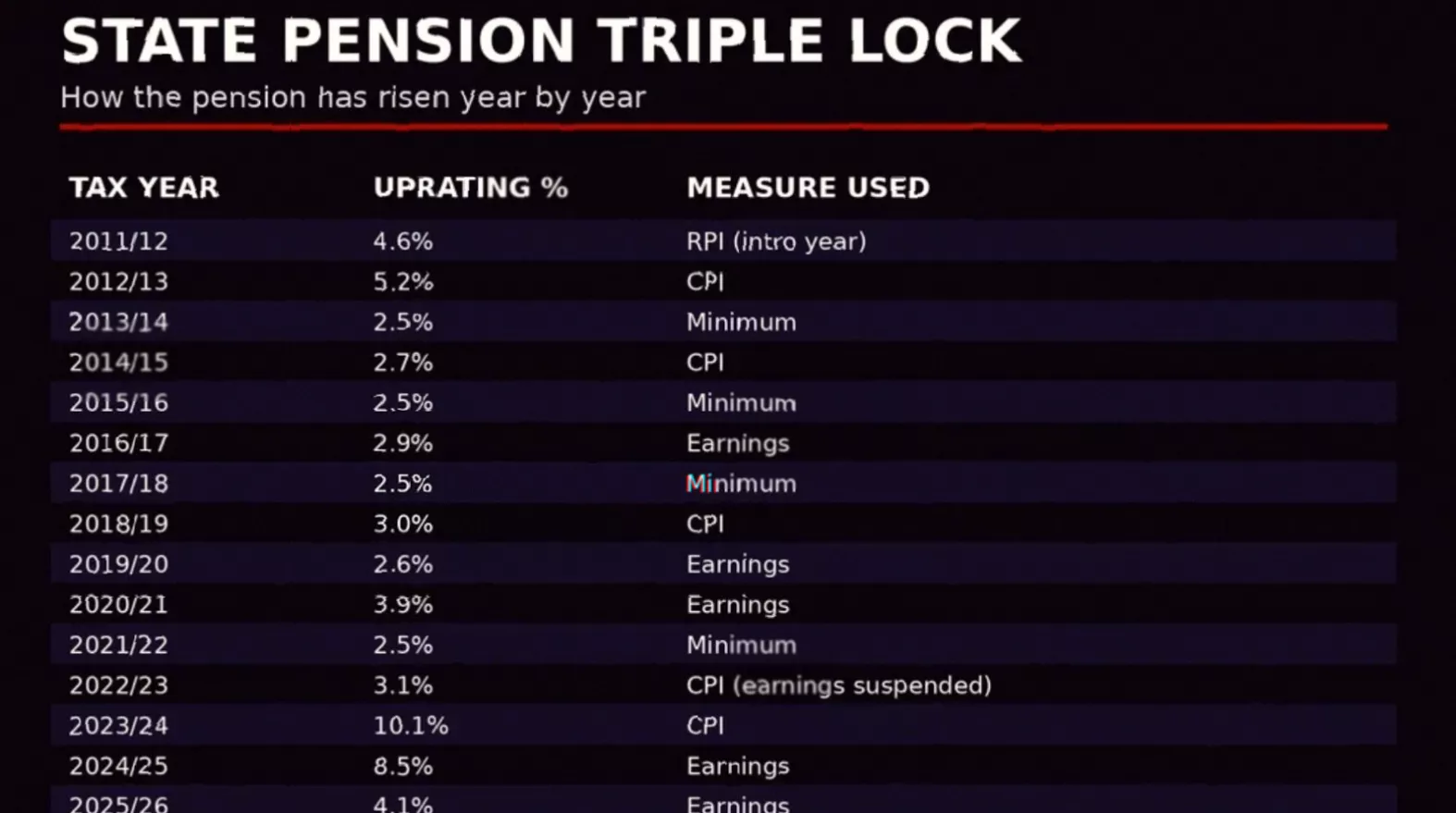
The triple lock was introduced in 2011 with the aim of preserving the spending power of the state pension and reducing pensioner poverty. Under the policy, each year the state pension rises by whichever is highest: the Consumer Prices Index (CPI) measure of inflation, the rise in average earnings across the economy, or a floor of 2.5%. In periods of volatile inflation and earnings growth — such as those seen in recent years — the cost has surged, placing an increasing burden on working-age taxpayers. The OBR has warned that if current policies remain unchanged, UK debt could be on an unsustainable path, with an ageing population meaning fewer workers supporting more pensioners.
Political pressure builds as leadership change looms
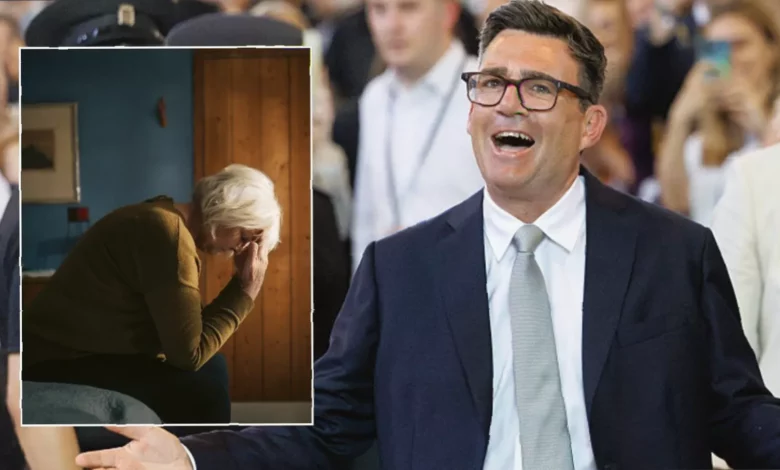
These fiscal pressures emerge as a potential change of leadership at Number 10 draws closer. Former Greater Manchester Mayor Andy Burnham is widely expected to replace Sir Keir Starmer as Labour leader and become Prime Minister. Starmer’s resignation has intensified speculation, with a by-election in Makerfield widely seen as a route for Burnham to return to Westminster and launch a formal leadership bid.
Burnham has publicly committed to retaining the triple lock — a stance that aligns with Labour’s manifesto pledge and is considered crucial for maintaining trust with pensioners. He has also expressed support for allowing pensioners to escape income tax as the state pension rises above frozen tax thresholds. However, this places him at odds with a growing chorus of economists, think tanks and pension industry figures who argue the policy is financially unsustainable in its current form.
Steven Cameron, pensions director at Aegon, urged the next Prime Minister to tackle the issue head-on. “While avoided by successive governments, politicians across the spectrum as well as think tanks are now increasingly questioning its long-term future and today’s political change creates the opportunity for an open and honest debate,” he said. He noted that Burnham’s recent reaffirmation of support for the triple lock may provide short-term reassurance to today’s pensioners, but argued that what is needed is “a longer-term vision for how the state pension can remain fair, affordable, and sustainable not for the next three years but for the next 30 years and beyond”.
Reform options under consideration
Industry specialists are calling on politicians from all parties to review their existing pledges and consider alternatives. Cameron emphasised that it is “not a simple case of keep it or scrap it” and outlined other options that he believes deserve proper consideration.
Aegon has long supported an amended form of the triple lock that would retain the principle of pensioners sharing in rising national prosperity while introducing greater stability. Under this model, pension increases would be pegged to inflation as a minimum floor, with an additional uplift only if earnings growth has exceeded inflation over a rolling three-year period. This approach, Cameron argued, would “smooth out volatility, provide greater predictability for public finances, and preserve fairness for pensioners”. He added: “Done properly, reform could be the saviour of the triple lock’s aims rather than an end.”
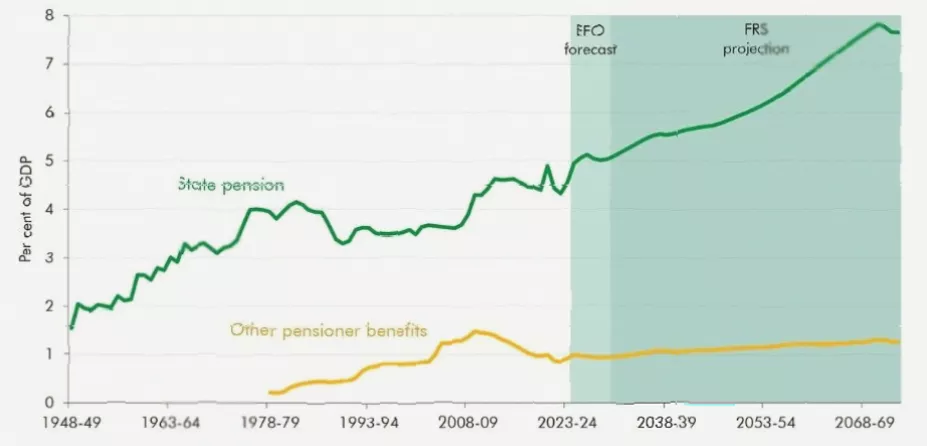
Other proposed reforms include linking the state pension to a combination of inflation and earnings, as recommended by the OECD, which could generate significant fiscal savings. There are also growing concerns about intergenerational fairness, with campaigners warning that the triple lock disproportionately benefits older generations at the expense of younger taxpayers. Cameron said the current system is “already creaking at the seams” and that without reform the triple lock will place “an unprecedented burden on working-age taxpayers, raising serious questions around intergenerational fairness”.
Beyond the triple lock itself, the broader pension landscape faces several unresolved questions. The state pension age is legislated to rise to 67 between 2026 and 2028, and to 68 between 2044 and 2046, with further rises speculated. The issue of compensation for Women Against State Pension Inequality (WASPI), who were affected by changes to the state pension age, remains a point of discussion. Meanwhile, a review by the Pensions Commission is examining systemic under-saving and adequacy across the UK pensions market, and debate continues over potential changes to pension tax relief as a way for a new government to raise revenue.
As the political contest for the Labour leadership and the keys to Downing Street unfolds, the triple lock — once a near-sacred plank of pension policy — is being forced into the centre of a debate about the country’s fiscal future and the fairness of the deal between generations.