Labour is set to consult on forcing social media platforms to give greater prominence to “trusted and accurate” news outlets such as the BBC, ITV and Channel 4, as part of a government drive to combat the spread of misinformation and disinformation online.
The proposal, contained in a Green Paper titled “Watch this Space: A new strategic direction for UK media” published on Monday, would require platforms including social media companies and video-sharing sites to prioritise content from public service media (PSM) when users search for news. That would mean stories from outlets such as BBC News, ITV News and Channel 4 News being pushed to the top of feeds, regardless of whether the user would otherwise choose to see them.
Ministers are expected to open a formal consultation on whether to introduce a “prominence rule” for online platforms, akin to the way public service broadcasters are already placed prominently in traditional TV guides. The government has indicated it would prefer voluntary co-operation from tech companies but is prepared to legislate if necessary.
Why the government says action is needed
The rationale behind the plan centres on a dramatic shift in how Britons consume news, and the government’s assessment that this shift is exposing the public to harmful falsehoods. According to research published by Ofcom last year, three in four young people aged 16–24 now use social media as their main way to access news, while more than half of all adults include social media among the channels they use for updates.
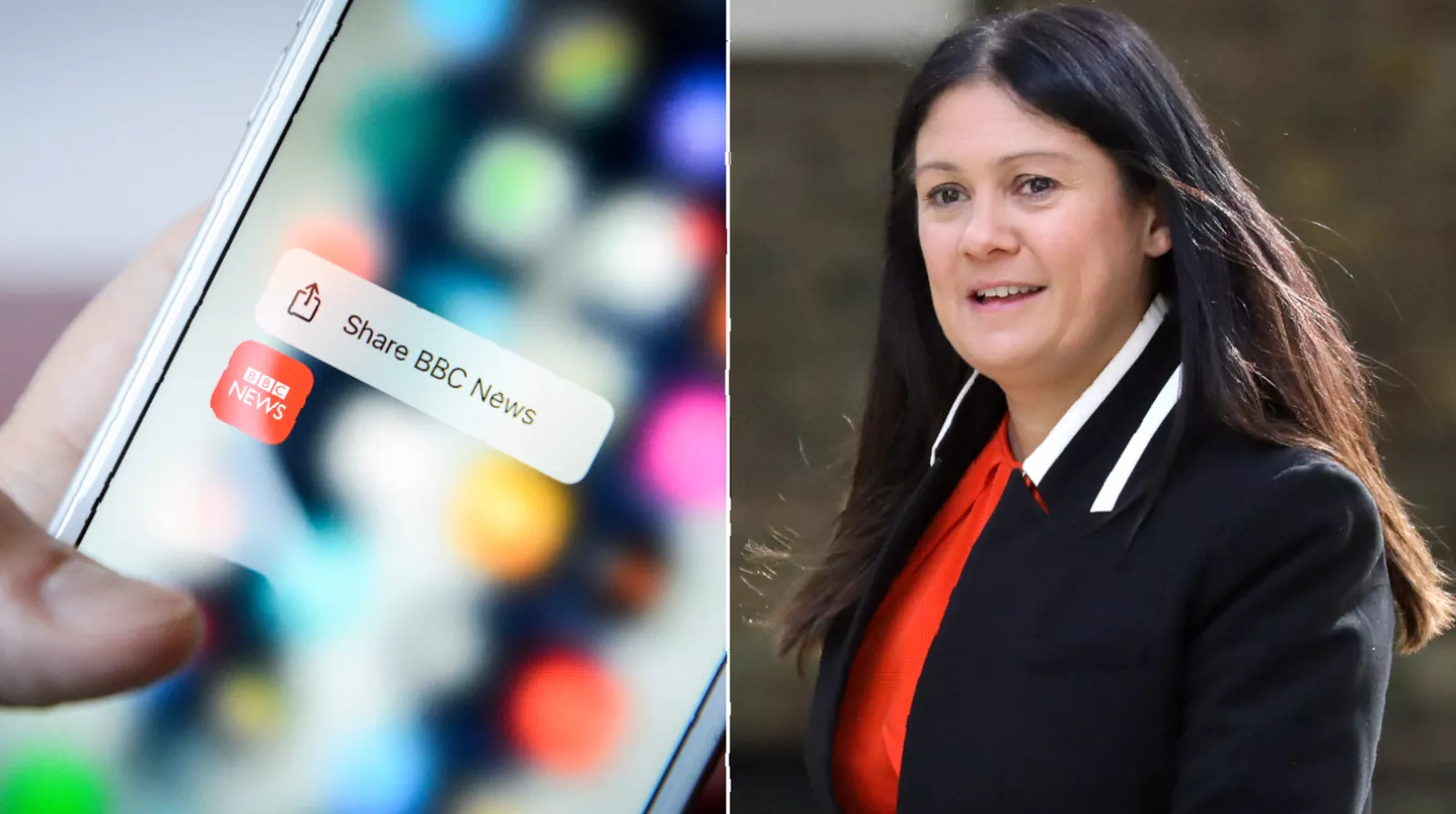
The government has argued that because social media algorithms can prioritise sensational or misleading content over verified reporting, the increasing reliance on these platforms means the public may be consuming “misinformation” rather than what it describes as “state-approved PSM”. A particular incident cited in the wider policy context is the Southport riots in 2024, where false information circulating online is said to have fuelled social unrest. The government has described misinformation and disinformation as posing an “existential threat to our democracy”.
The proposal also aims to protect the role of public service broadcasters, which ministers say are vital for providing trusted news, supporting the creative economy and underpinning democracy. PSBs themselves have warned that their content is being “drowned out” by less reliable sources and demoted by platform algorithms. The Green Paper runs in parallel with the BBC’s Charter Review, which is examining the broadcaster’s role, funding and impact.
A further layer of the government’s thinking is the desire to bolster media literacy. The Green Paper explores measures to equip people with the skills to critically evaluate online content, potentially placing a duty on public service broadcasters to deliver and report on media literacy activities.

The government is also consulting on a transition to internet-based television distribution, with potential target dates of 2034 or 2044, and on extending the Listed Events Regime to cover on-demand rights for major sporting events such as the Olympic Games and the World Cup, ensuring free access remains.
Reactions from broadcasters and publishers
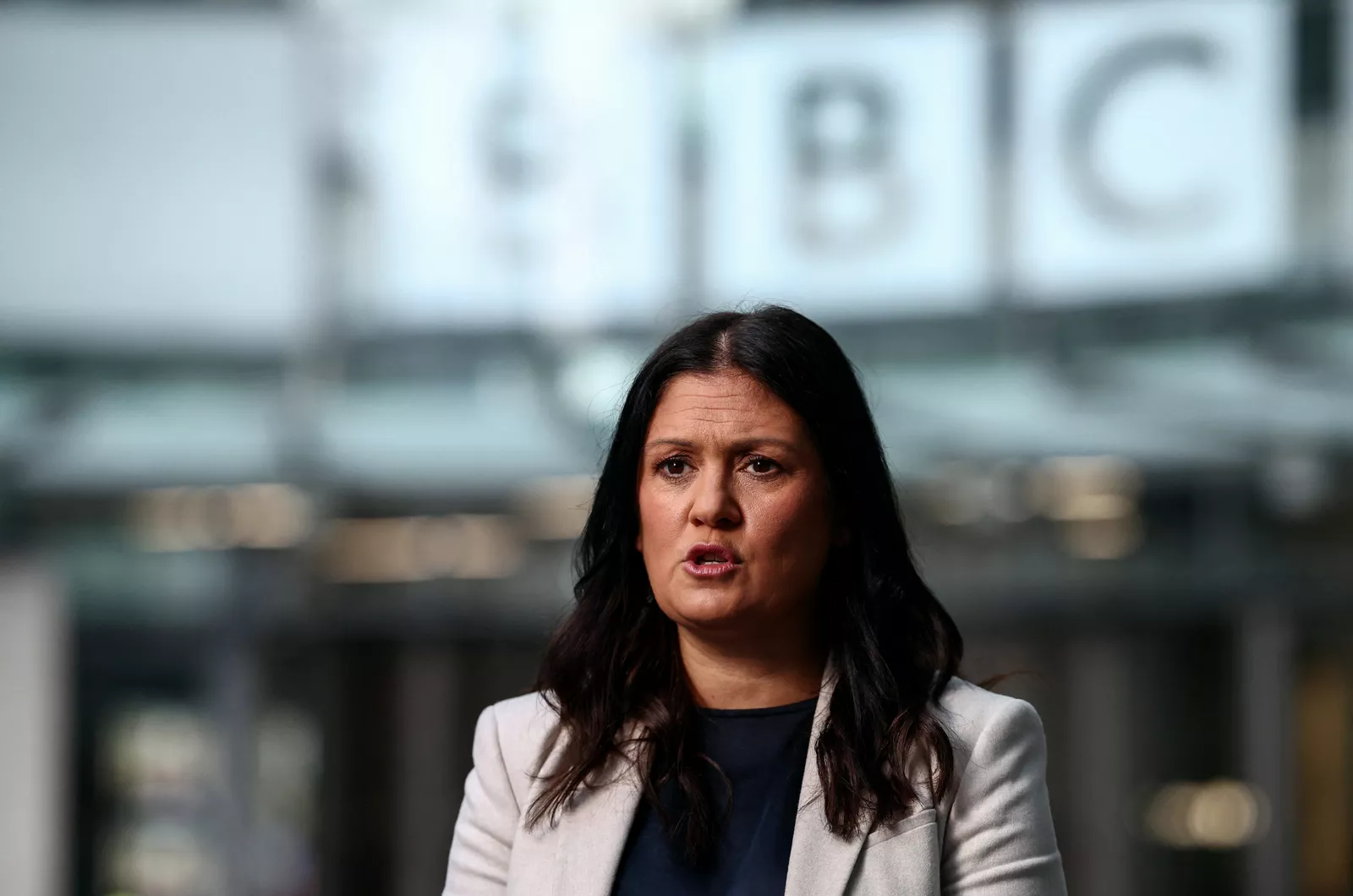
Culture Secretary Lisa Nandy said: “It is vital that we make sure that people have better access to trusted and accurate news and that our regulated public service media is seen and heard in the fierce battle against mis and disinformation. As the media landscape moves further and further online, away from traditional broadcasting, we must act so that our world-leading TV sector continues to thrive and top quality UK content keeps being produced. TV remains at the heart of our society. It is key to supporting social cohesion and is a cornerstone of our democracy, which is why, as the technology underpinning it changes, we are making sure it is protected for generations to come.”
ITV chief executive Carolyn McCall welcomed the Green Paper, stating: “UK viewers still love original British content from the PSBs and trust and value PSB news which helps to underpin our democracy. It’s the PSBs that also underpin the wider creative economy, commissioning original British content right across the UK. But the way people watch content has changed radically in recent years and brought challenges to sustaining these investments. We therefore welcome a Green Paper that will help enable PSBs to continue to effectively serve the UK public interest through trusted, high quality, easily accessible content delivered on the platforms and services that people use both now and in future.”
A spokesman for the BBC said: “In an increasingly polarised world where mis- and disinformation are rife, it is essential everyone has the opportunity to access trustworthy news. It is also important that homegrown, original content is protected and easy for people to find. People are changing how and where they consume content at pace. The Green Paper sets out how we can support this switch to digital platforms, ensuring more money can be spent on programming the audience actually want whilst, at the same time, ensuring no-one is left behind.”
The News Media Association, representing independent news publishers, expressed support for the government’s aims to combat misinformation but cautioned that a narrow definition of “trustworthy providers” could obscure the journalism of independent outlets. The government is considering using the Online Safety Act 2023’s definition of a “recognised news publisher” as a starting point for determining which outlets would qualify for the prominence rules.
The government is now seeking views on the proposals, with responses to the consultation expected to inform final decisions later in 2026.