King Charles III has appointed four prime ministers in under four years, after Sir Keir Starmer bowed to mounting pressure and announced his resignation. The monarch, who acceded to the throne in September 2022, will now prepare to call on a successor to form a government — the latest chapter in a period of political churn that already stands in stark contrast to the stability of his mother’s reign.
A rapid turnover of prime ministers
Charles’s first premier was Liz Truss, who was already in office when he became king. Her tenure, the shortest in British history, ended after just 49 days. He then appointed Rishi Sunak in October 2022, only six weeks after his own accession. Sunak, the first British Asian and Hindu to hold the office, was also the youngest prime minister in more than 200 years at the time. In July 2024, Charles appointed Sir Keir Starmer after a snap general election produced a landslide Labour victory, ending 14 years of Conservative rule.
That succession of three prime ministers in less than two years — and now a fourth — highlights the volatility of contemporary British politics. It took Queen Elizabeth II 11 years before she welcomed her fourth prime minister, Sir Alec Douglas-Home, in 1963. The late Queen, who reigned for seven decades, worked with 15 prime ministers in total.
The sovereign’s constitutional duty
As head of state, it is the King’s duty to appoint the head of His Majesty’s Government. This is one of the few remaining personal prerogatives of the sovereign. The monarch does not act on advice nor need to consult anyone before calling upon a politician to form a government. The overriding requirement, however, is that he appoints someone who can command the confidence of the House of Commons — which, in practice, means the leader of the party with an overall majority of seats.
While the King must remain politically neutral on all matters, he is entitled to be consulted, to encourage and to warn. These rights are exercised in private during the weekly audiences he holds with the prime minister, usually on Wednesdays after Prime Minister’s Questions. These meetings take place face to face and allow for frank discussion of government business. Among the subjects likely to have featured prominently in recent weeks are the war in Ukraine, the crisis in the Middle East and the policies of US President Donald Trump.
The King’s constitutional role also extends to diplomacy. Last month, at the government’s request, he undertook a state visit to the United States — his most challenging diplomatic test to date. Charles charmed President Trump, delivered a powerful speech to Congress, and is widely regarded as having helped repair the strained UK-US special relationship after Mr Trump repeatedly criticised Sir Keir over the war in Iran. A senior palace aide made clear that the visit was intended to support the government, saying: “It’s not a competition between the King and the Government. The King is there to support the Government, to help the Government. It was at the Government’s request, of course, that he undertook this visit.”
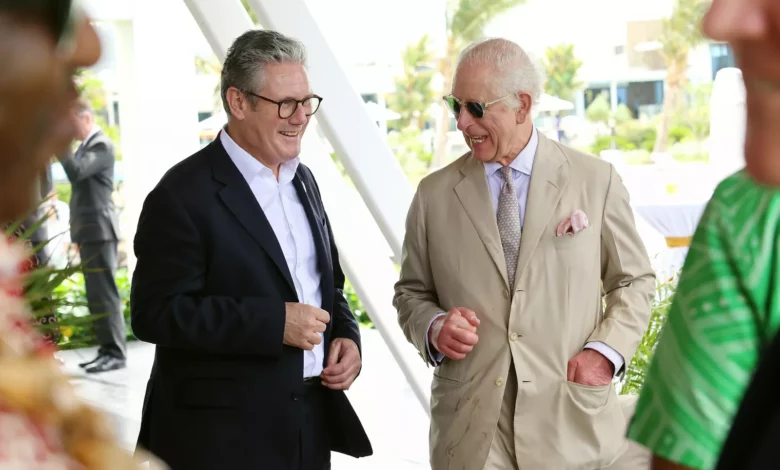
The monarch’s role as a tool of “soft power” is particularly significant given his long-standing interest in environmental and social issues. He can privately press leaders on causes he cares about, though he must never appear partisan. The government also turned to Charles for a rare joint engagement in February 2025, when the King, Sir Keir and the then deputy prime minister Angela Rayner toured Nansledan, a housing development in Cornwall that the King had inspired. Downing Street denied that the King was being dragged into politics, insisting the visit was a result of their shared interest in modern housing and diary availability. It came days before Sir Keir was expected to set out measures as part of a pledge to build 1.5 million homes before the next general election.
The King and Sir Keir: a meeting of minds
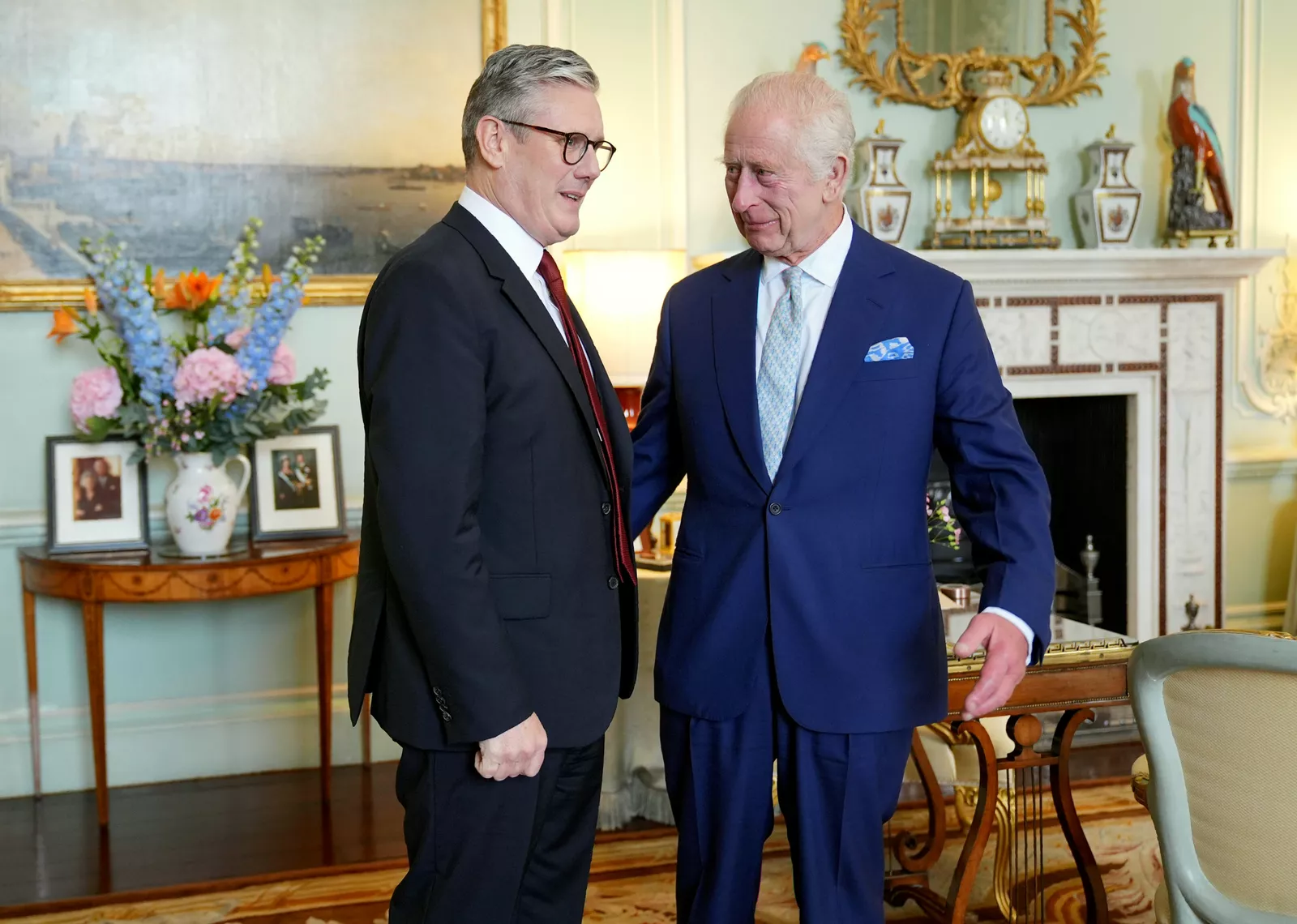
Sir Keir and the King are said to have a warm rapport and a meeting of minds on social issues. The Labour leader was appointed prime minister by Charles in July 2024 amid a difficult year for the monarch, just months after he was diagnosed with cancer. At their historic meeting at Buckingham Palace, the King sympathised with Sir Keir, telling him he must be “utterly exhausted and nearly on your knees” and that getting “to grips with everything straight away” must be taxing.
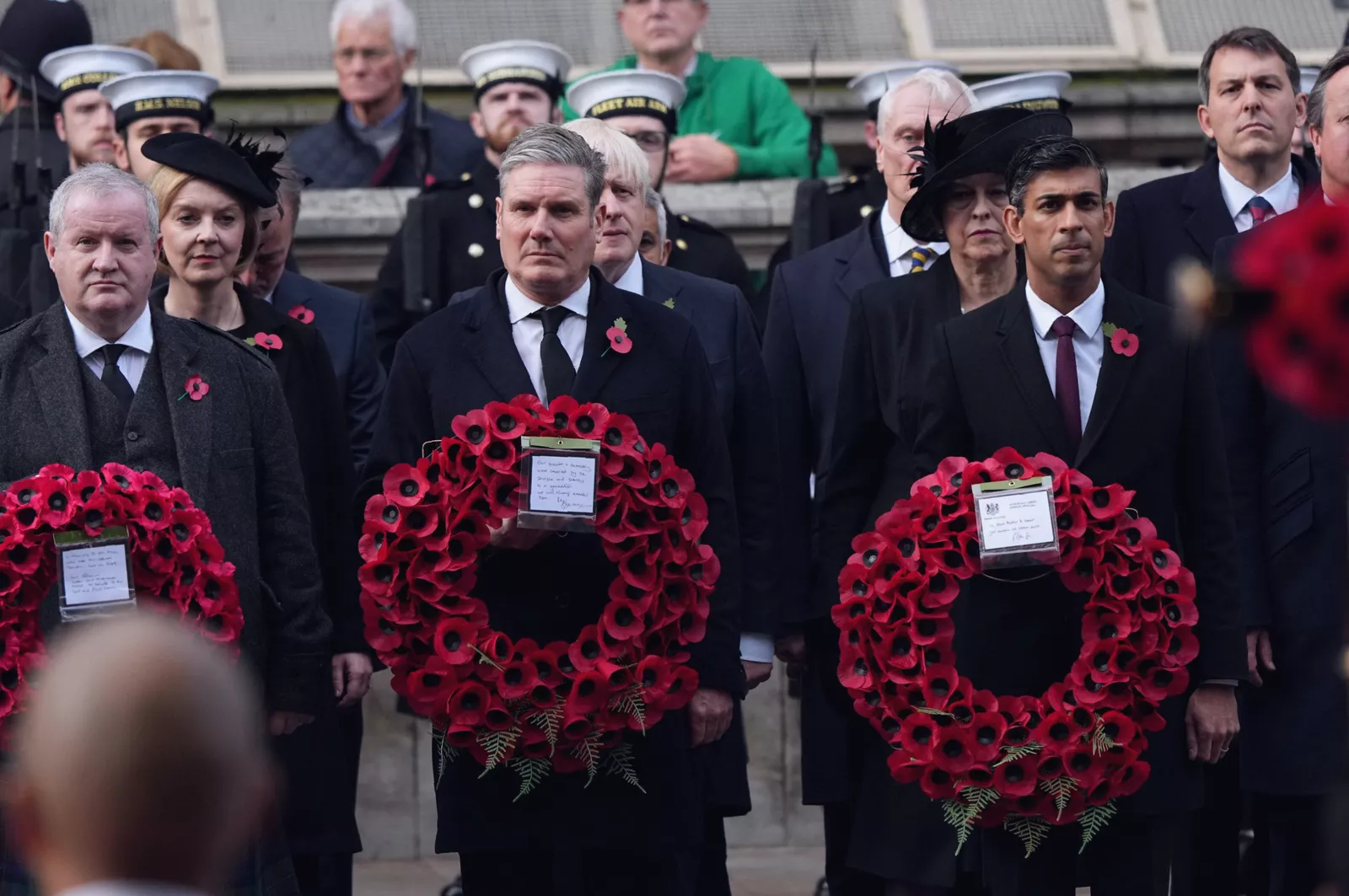
The relationship has been built over several years. In March 2023, when Sir Keir was still leader of the opposition, he and his wife, Lady Victoria Starmer, were invited to a dine-and-sleep evening at Windsor Castle by the King. The two men were seen engrossed in conversation at a reception in St James’s Palace before the Ukraine Recovery Conference later that year, and they exchanged friendly greetings in the aftermath of the late Queen’s death. Sir Keir attended Elizabeth II’s funeral, the King’s accession council and his coronation, and has been a member of the Privy Council since 2017. He joined the royal family in the royal box for the Platinum Jubilee Pageant in 2022.
Sir Keir has praised the King’s environmental and social credentials, despite his own past views on the monarchy. In 2021, footage surfaced showing him telling a filmmaker in 2005: “I also got made a Queen’s Counsel which is odd, since I often used to propose the abolition of the monarchy.” When Elizabeth II died, however, he paid a warm tribute in the Commons to her “glorious” 70 years at the “heart of this nation’s life”. He later said of the new reign: “King Charles III has been a devoted servant of this country his entire life, he has been a powerful voice for fairness, and understood the importance of the environment long before many others.”
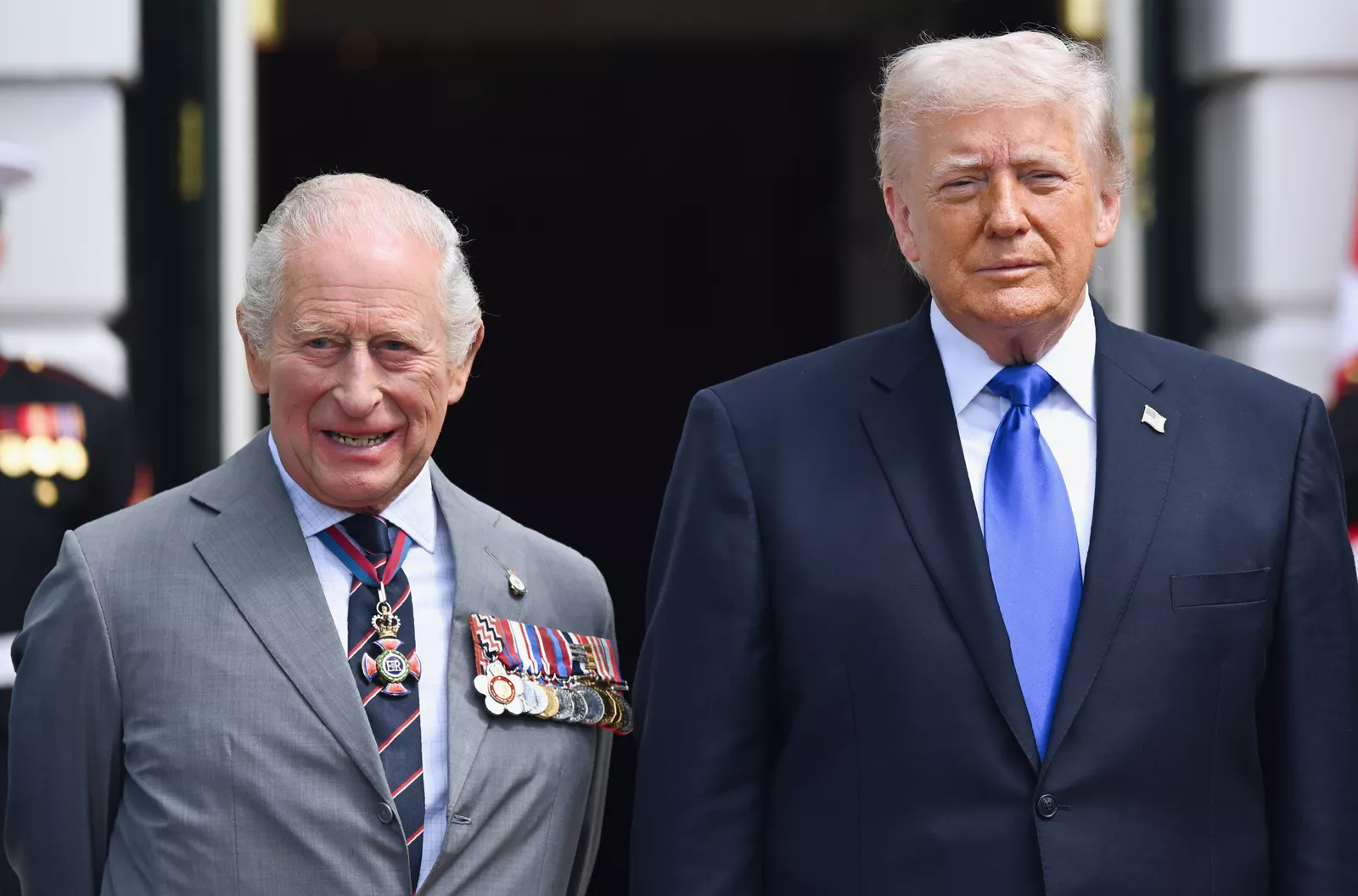
Historian Ed Owens said there is a clear alignment between the two men: “There’s a meeting of minds in terms of the social issues at stake.”
Sir Keir is the first Labour prime minister of Charles’s reign and the first to be appointed by him as a result of a general election. He is also the first prime minister to enter office already holding a knighthood since Sir Alec Douglas-Home. That knighthood — a Knight Commander of the Order of the Bath for services to law and criminal justice — was bestowed on him in 2014 by Charles, then the Prince of Wales. Sir Keir, a former director of public prosecutions, was also given a Queen’s Counsel honour, which he once described as “odd” given his earlier republican leanings.