UK aid spending has halved since 2016, a reduction that is now leaving some of the world’s most vulnerable children without the basic health care, nutrition and family support that once kept them alive. The human cost of these cuts is being felt acutely in countries such as South Sudan, where a decade ago a sustained international commitment helped reunite a family torn apart by war.
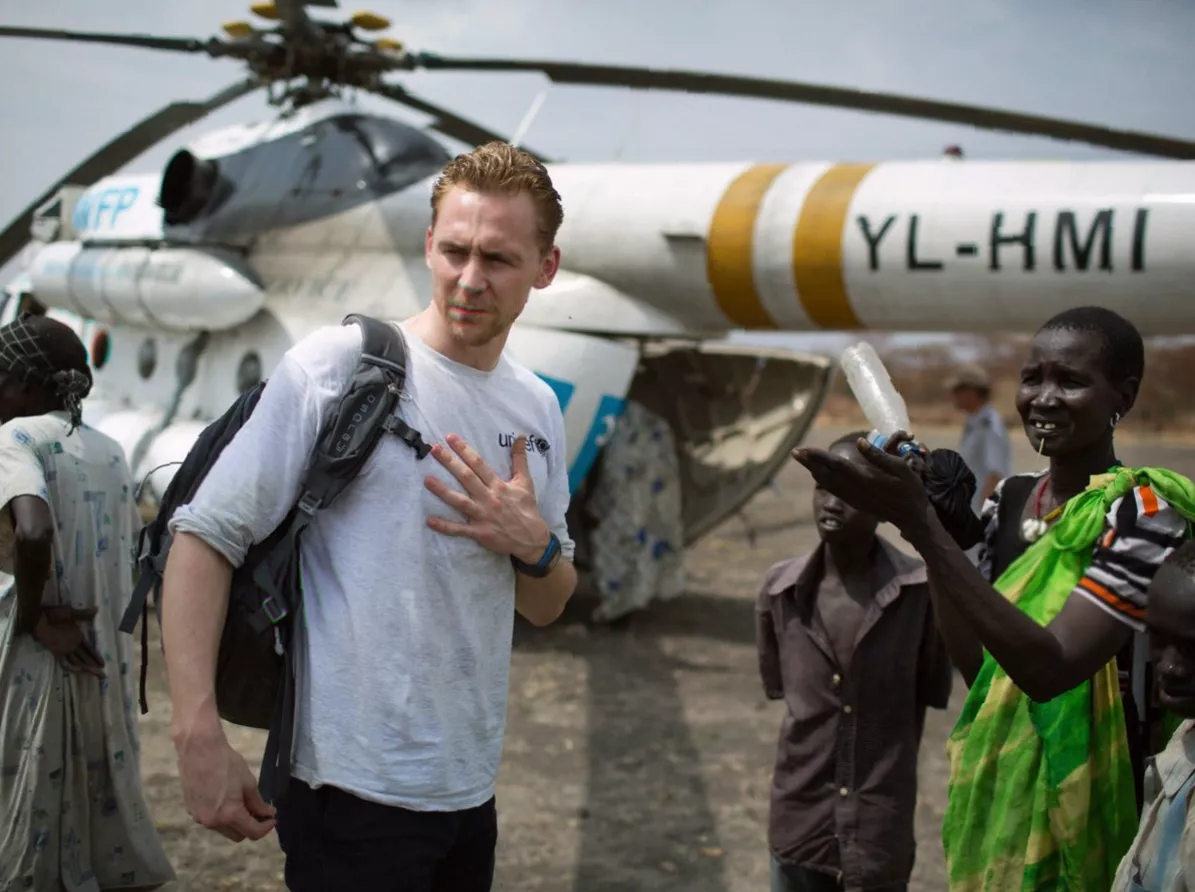
In November 2016, the actor Tom Hiddleston, now a UNICEF UK ambassador, made his second visit to South Sudan. There he met Nyalim, then 12 years old, who had been separated from her mother and aunt when gunfire broke out during a hospital visit. She ended up on a boat to Bor; her family, believing her dead, returned to Bentiu. Three years later, UNICEF’s tracing programme found her. She was flown home. The moment she saw her parents again, Hiddleston recalled, was one he would remember “for as long as I live”.
On the same trip, he met Regina, a young mother who had carried her 15-month-old daughter Emmanuela, severely malnourished, through miles of conflict to reach an emergency feeding centre. There, Emmanuela received treatment and, after everything the family had endured, there was reason to believe she would survive. “International aid cannot claim credit for that courage,” Hiddleston wrote, “but it can ensure that when people like Regina arrive, there’s someone there to meet them.”
That someone – a health worker, a social worker, a supply of therapeutic food – exists because of years of investment in nutrition, health systems and the infrastructure of ordinary childhood. Governments including the UK helped build those systems. The question now, Hiddleston argues, is whether they intend to let them crumble.
South Sudan: compounding crises, children in the frontline
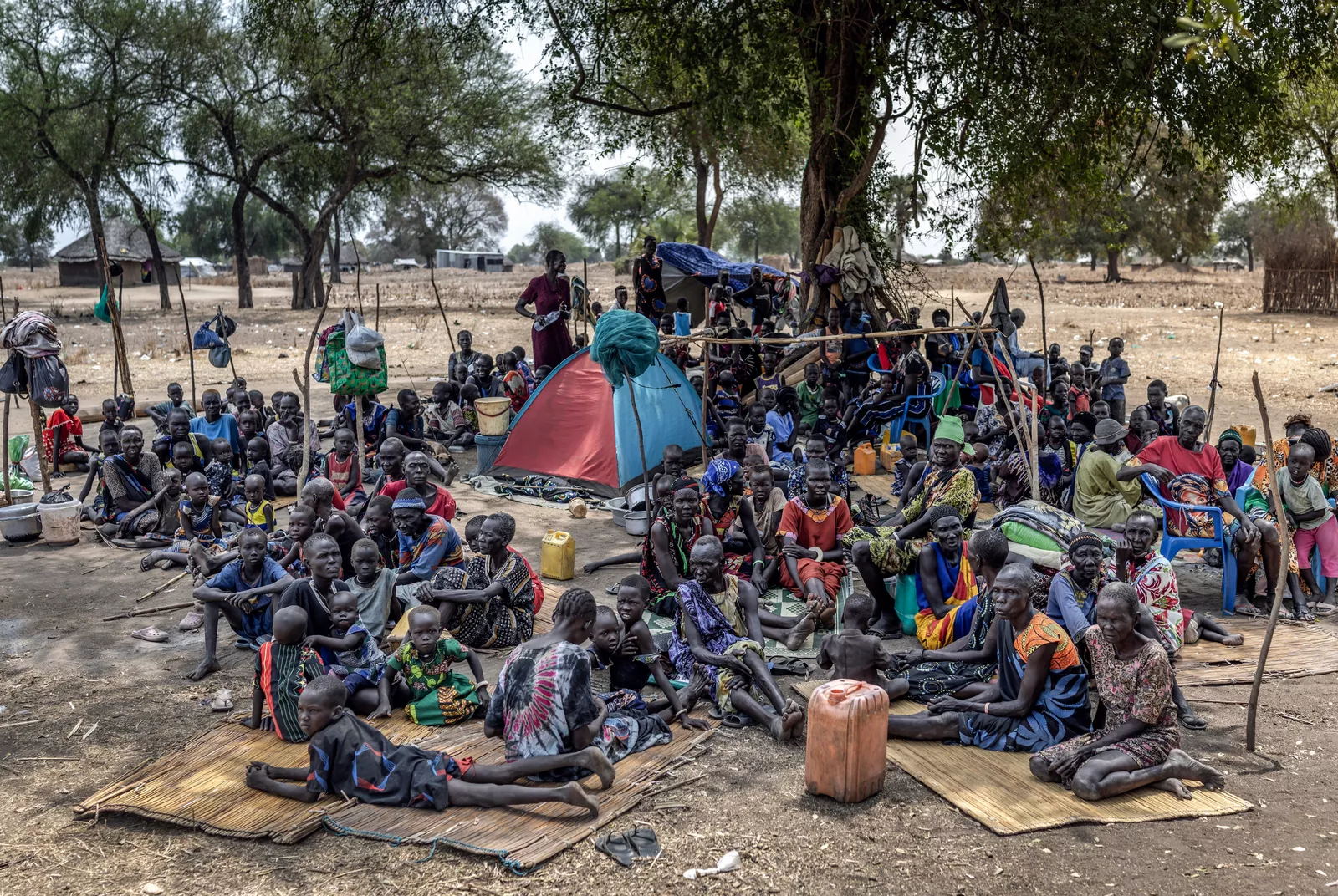
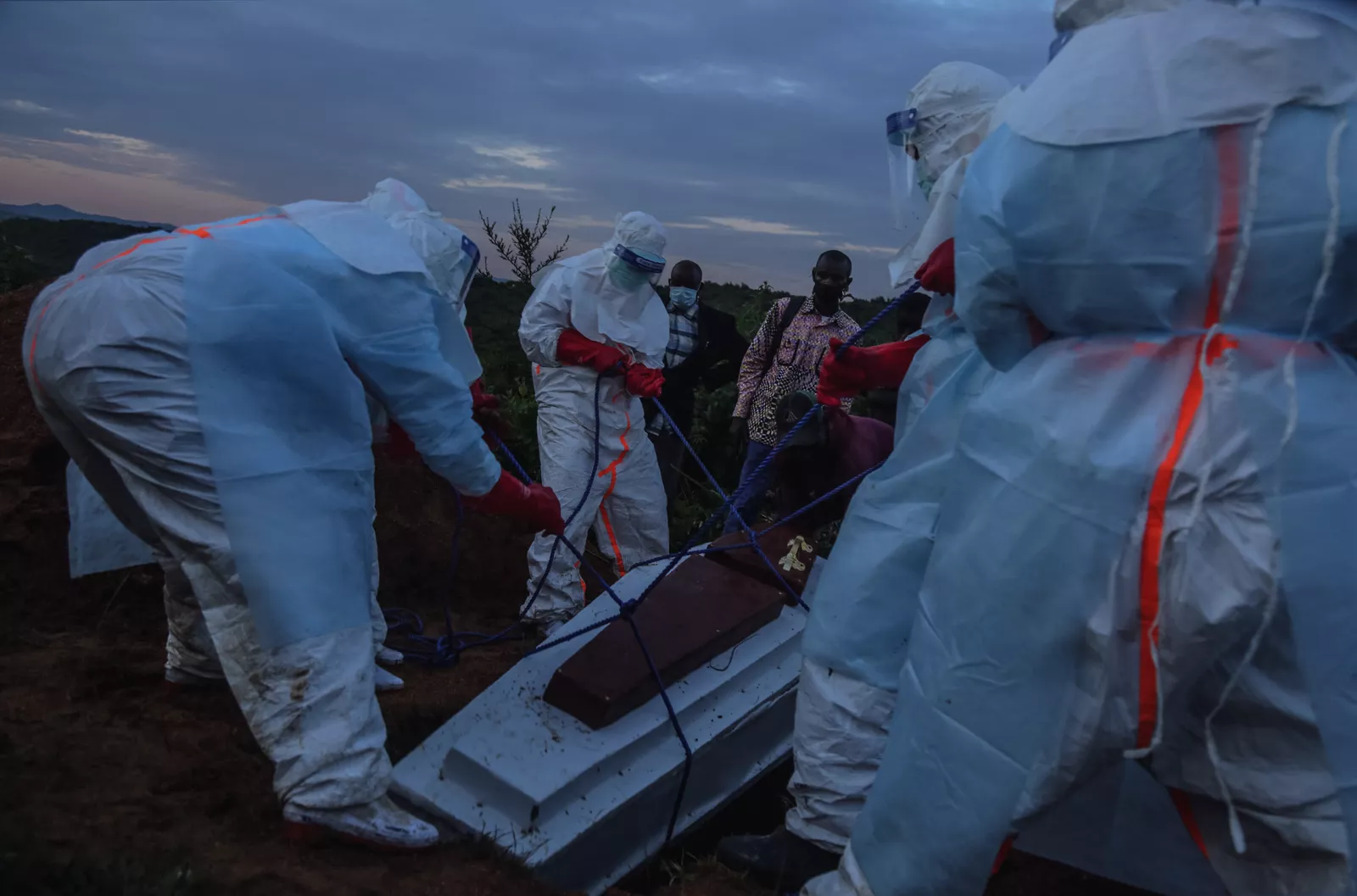
South Sudan today faces a catastrophic combination of conflict and disease. Since the start of 2026, renewed fighting has displaced 330,000 people. The country is experiencing its largest ever recorded cholera outbreak – nearly 100,000 cases, with children aged 0–4 the most affected. By March 2026, more than 1,600 deaths had been reported. The outbreak began in September 2024 and has been exacerbated by conflict and mass displacement, which have halted critical health and nutrition services. Over two million children under five are facing acute malnutrition. In early 2026 alone, more than 450,000 children were at immediate risk of acute malnutrition.
The withdrawal of the United States Agency for International Development (USAID) has deepened the crisis: 186 nutrition sites have closed. UNICEF’s Country Representative in South Sudan, Noala Skinner, has warned that a malnourished child without treatment is 12 times more likely to die. In 2021, 1.4 million children in South Sudan were expected to suffer acute malnutrition, with over 300,000 at risk of dying. Already, in 2021, reductions in UK aid had left approximately 200 health facilities – including major hospitals – without support. Six counties in Jonglei state were close to a stock-out of therapeutic foods, the life-saving commodity for malnourished children.
For the first time this century, deaths among children under five are expected to rise in 2025 – a direct consequence of political decisions made across the world. Aid budgets are being cut at the very moment conflicts, climate disasters and disease outbreaks are accelerating.
The UK’s shrinking role: from 0.7% to 0.3%
The UK’s direction of travel warrants particular scrutiny. In 2016, the UK spent 0.7% of its Gross National Income on international aid – a level that met a UN recommendation and was enshrined in law from 2013 to 2020. By 2027, that figure is set to fall to 0.3% – the lowest proportion of GNI since 1999 and, in cash terms, an estimated £9.2 billion, the lowest since 2012. The cuts are intended largely to fund increased defence spending, projected to reach 2.6% of GDP by 2027.
The government has said it is moving to a “modernised approach” to international development, shifting from being a “donor” to an “investor”. From 2026/27, UK aid will prioritise “fragile and conflict-affected areas”. But the scale of the overall reduction means even prioritisation comes with painful trade-offs. Bilateral aid to African countries – where the majority of child deaths occur – has collapsed by 56%. Projections show a further decline of 56% from 2024/25 to 2028/29, representing a cut of approximately £874 million, the largest regional reduction in absolute terms.
The UK’s planned cuts are the steepest among major donors, even steeper than those of the United States in proportion to GNI. While the US, Germany and France are also reducing aid, the UK is cutting deepest.
Children bearing the heaviest cost
Between 2019 and 2022, UK spending on child-focused aid fell by 56% – a far sharper drop than the overall 34% reduction in aid. This translates into fewer children receiving life-saving immunisations, increased rates of malnutrition, reduced access to essential medicines for childhood illnesses, and a decline in maternal health services crucial for newborn survival. Malnutrition alone contributes to half of all global child deaths.
UNICEF has warned that cuts to nutrition support could lead to a nearly 90% reduction in UK nutrition programmes by 2027. Tens of thousands of children could be at risk of famine and starvation. Globally, nearly 48% of children cannot afford a healthy diet; in low- and lower-middle-income countries, that figure rises to 68%. The collapse in global nutrition funding could cut off treatment for 2.3 million severely malnourished children and lead to an additional 369,000 child deaths each year.
The impact is already visible in countries where the UK is ending support entirely. In Malawi, more than 57,000 children are living with HIV. In 2024, only 58% of children aged 0–14 were receiving antiretroviral therapy, leaving a significant treatment gap. The aid cuts are expected to result in approximately 250,000 adolescents in Malawi losing access to modern family planning methods each year, and an estimated 20,000 children at risk of dropping out of school because school feeding programmes are ending.
In Sierra Leone, which has one of the highest maternal and neonatal mortality rates in the world – maternal deaths estimated at 443 per 100,000 live births in 2024 – the UK is also withdrawing support entirely. The government says it is concentrating resources on conflict-affected states such as South Sudan, but that comes at a cost paid by children in other equally desperate countries.
Ministers are being forced into impossible choices about which children deserve life-saving treatment. Vulnerable children are being pitted against each other in a calculus no government should ever have to make.
The broader global picture
Humanitarian and health systems worldwide are under unprecedented strain from climate shocks, disease outbreaks, conflict and displacement. In the Rohingya refugee camps in Bangladesh, chronic underfunding has led to food ration cuts, shortages of essential medicines, and rising disease risk. Severe acute malnutrition among children increased by 27% in the year from February 2024 to February 2025. In Afghanistan, paediatric and neonatal intensive care units are operating beyond capacity, with children often arriving too late for treatment because their families cannot afford transport or care. In Yemen, inpatient feeding centres report bed occupancy rates of up to 200% during peak malnutrition seasons.
The UK’s shift from being a direct service provider to an “investor” and “partner” – working with lower-income states to strengthen their own systems – is happening against a backdrop of the deepest cuts in donor history. The concern is that, without the tangible delivery of services, the most vulnerable will fall through the gaps.
A call to action and a reminder of public will
UNICEF UK is asking the UK government to ensure that at least a quarter of its aid budget is spent on child-focused healthcare, nutrition and education programmes. Tom Hiddleston will play for England in Soccer Aid for UNICEF on 31 May – the twentieth anniversary of a match that has raised more than £121 million for children since 2006. In 2025 alone, it raised £15.28 million. The funds have provided safe spaces in crises, vital vaccinations, nutrition support, and education for children around the world.
“No child chooses where they are born,” Hiddleston wrote. “The children I met in South Sudan had ambitions as vivid as any child growing up in the UK. The lottery of birth should not determine whether they survive, whether they learn to read, whether they are given a genuine chance at a full and happy childhood.”
His point is that public generosity, however extraordinary, cannot substitute for political will. Ten years ago, the international community decided children like Nyalim and Emmanuela were worth investing in. That commitment is now faltering – and children will pay the highest price. The UK government can choose to build on the success of its aid legacy, or it can look at the world’s most vulnerable children and decide it can no longer afford to help them.