Labour has reversed its promise to ban Russian oil imports, with the government issuing a new licence that allows diesel and jet fuel made from Russian crude to enter the UK – so long as the raw oil was processed in a third country.
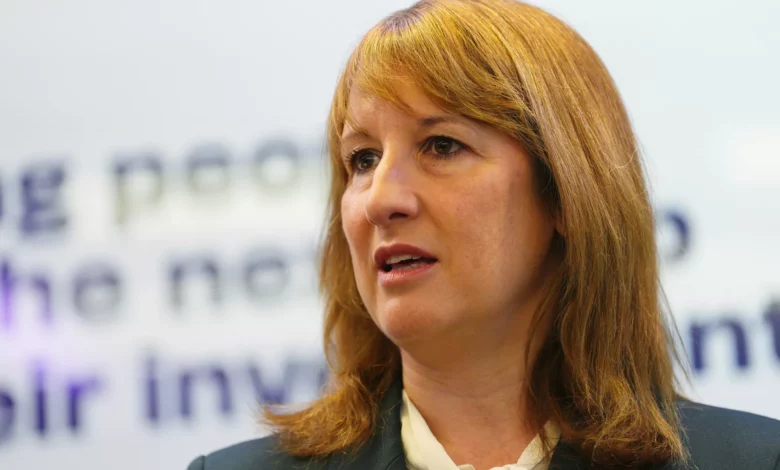
The policy shift, effective from 20 May, marks a significant watering-down of the sanctions regime that Chancellor Rachel Reeves previously championed. Last year she described a blanket ban as the “right approach to ensure that Russian oil is not finding its way onto global markets and indeed, finding its way into UK markets”, and vowed to take “whatever actions necessary to destroy the capability of the Russian government to continue this illegal war in Ukraine”.
What the new licence permits
Under the new licence, UK importers may bring in diesel and jet fuel that has been refined from Russian-origin crude oil in third countries. Other refined products made from Russian crude – such as petrochemicals and heating oil – remain prohibited. The European Union has also maintained its own ban on products refined elsewhere but derived from Russian oil.
The move has been described as “cynical but understandable” by an associate fellow at Chatham House, who warned it could undermine Britain’s leadership on international sanctions. Alongside the fuel licence, the government separately issued a licence permitting the maritime transport of Russian liquefied natural gas (LNG).
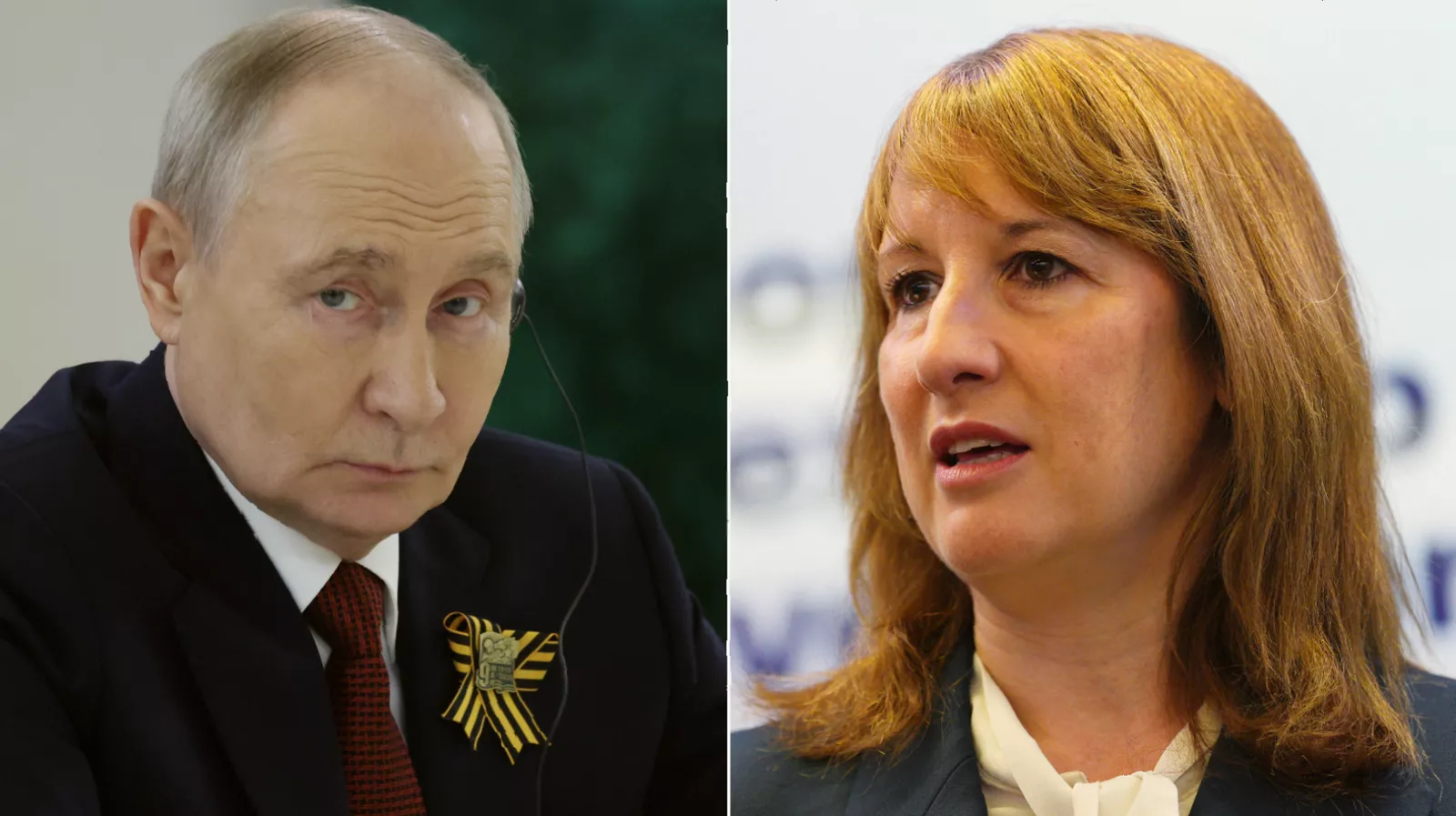
The original sanctions package, which included measures against Russian oil giants Rosneft and Lukoil as well as entities in India and China, was imposed by the UK in October 2025. That followed broader European and British bans on seaborne crude oil imports from Russia in December 2022 and on refined products in February 2023, alongside price caps designed to limit Moscow’s revenue.
Fuel shortages and the Strait of Hormuz crisis
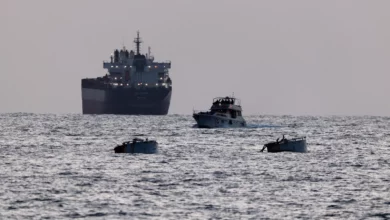
The government has justified the u-turn by pointing to the need to “protect critical supply chains and maintain market stability” amid acute global fuel cost pressures. The immediate trigger is the conflict in the Middle East and the effective closure of the Strait of Hormuz, a vital chokepoint for global energy shipments.
Foreign Secretary Yvette Cooper has warned that the world risks “sleepwalking into a global food crisis” because of the blockade, which has disrupted not only oil supplies but also shipments of fertiliser and gas. The strait’s closure has slashed shipping traffic, driving up energy prices and stoking fears of shortages.
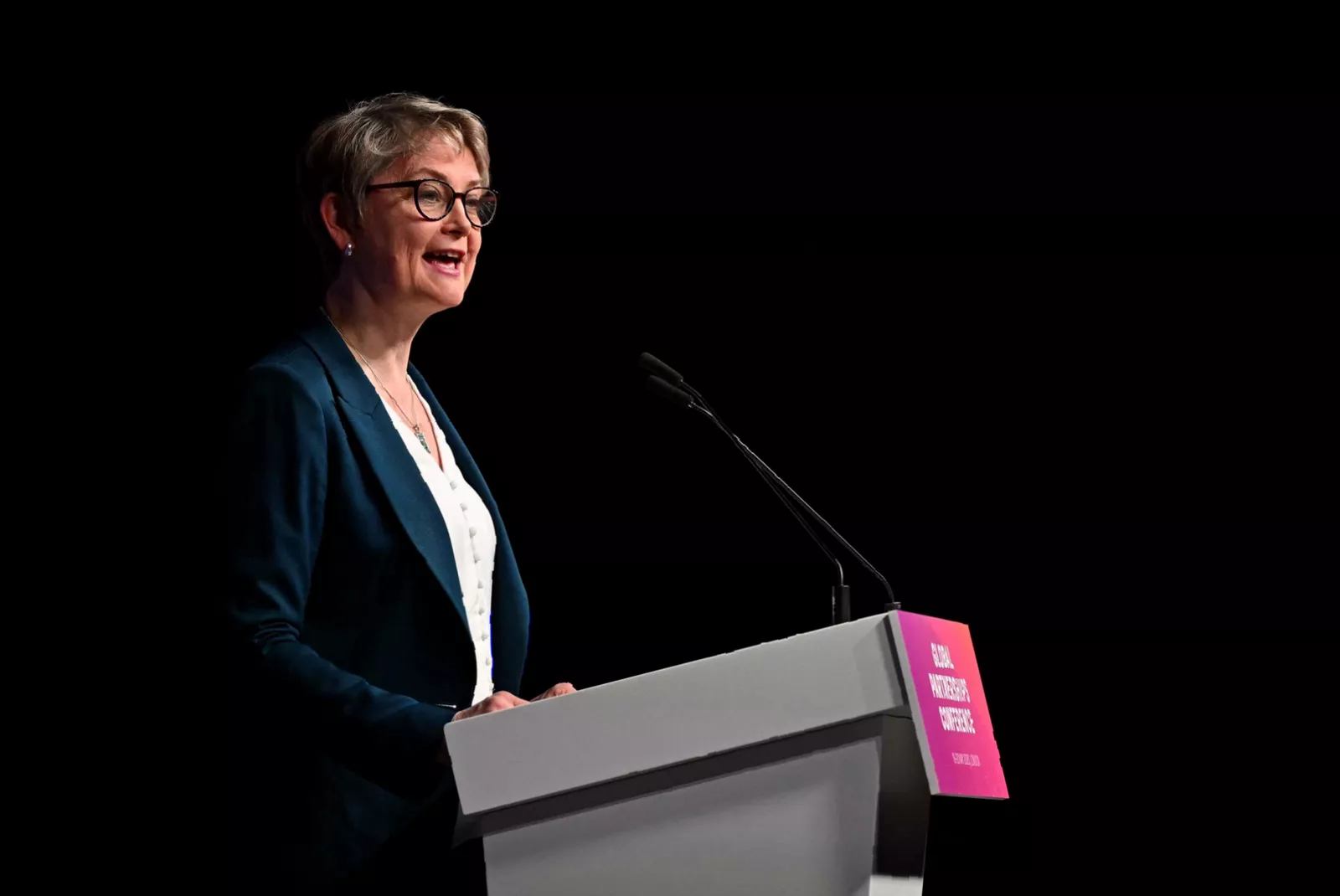
The impact is already feeding into domestic policy. The Treasury has made proposals for supermarkets to voluntarily cap the prices of essential groceries such as bread, milk and eggs. In exchange, the government has indicated it would offer incentives including easing packaging regulations and delaying changes to healthy food rules. Helen Dickinson, chief executive of the British Retail Consortium, said retailers were facing “higher energy and commodity costs resulting from the Middle East conflict, and the soaring cost of the government’s domestic policies”. She argued that the focus should be on reducing public policy costs rather than imposing price controls.
The Chancellor is expected to set out further measures to help households with the cost of living on Thursday.
International developments: Washington and Moscow
The UK is not alone in recalibrating its approach. The United States has extended a 30-day sanctions waiver on Russian oil, first introduced in March to alleviate supply shortages and price spikes linked to the Iran conflict. The waiver allows Indian refiners to purchase Russian crude that is already at sea.
US Treasury Secretary Scott Bessent said the measure would “help stabilise the physical crude market and ensure oil reaches the most energy-vulnerable countries”. But the extension has been sharply criticised by Democratic Senators Jeanne Shaheen of New Hampshire and Elizabeth Warren of Massachusetts, who called it an “indefensible gift” to Vladimir Putin that would be used to “finance his illegal war against Ukraine and kill innocent Ukrainians”.
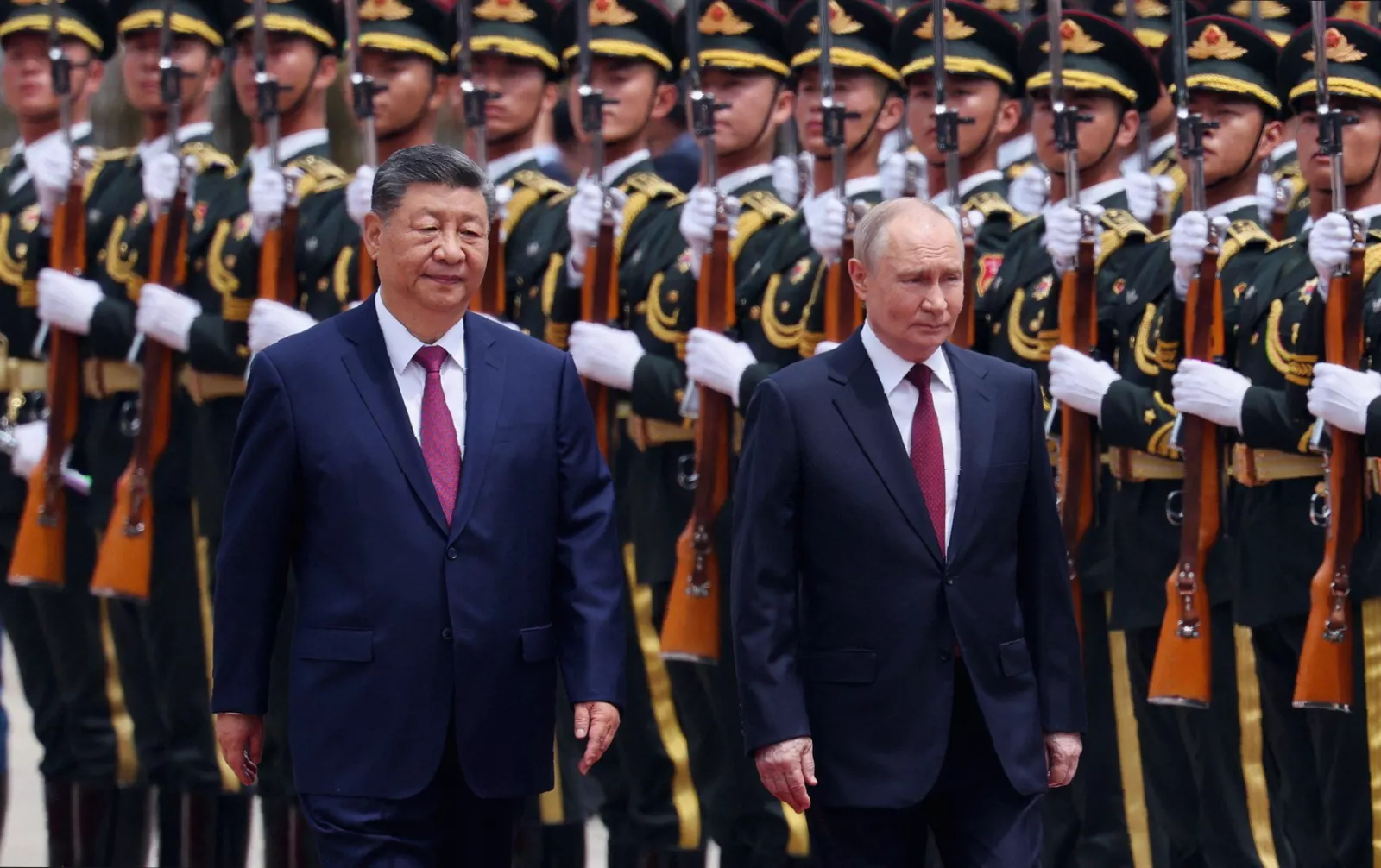
Meanwhile, Mr Putin arrived in China on Tuesday for his 25th visit to meet President Xi Jinping, just a week after Donald Trump visited Beijing. The two leaders are expected to discuss the Power of Siberia 2 pipeline – a 1,600-mile gas route from Russia through Mongolia into China that would add 50 billion cubic metres of capacity. The project is seen as crucial for Russia to make up for lost European markets. China, the world’s largest crude oil importer, has seen its own fuel imports crippled by its reliance on the Strait of Hormuz, through which roughly half of its crude oil normally flows.