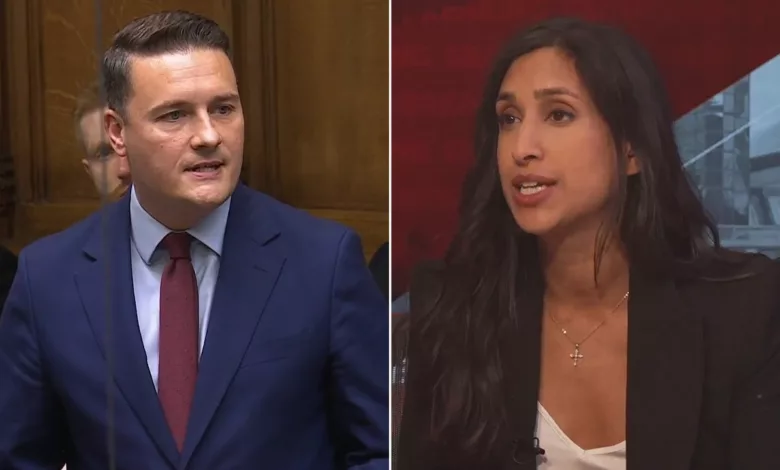
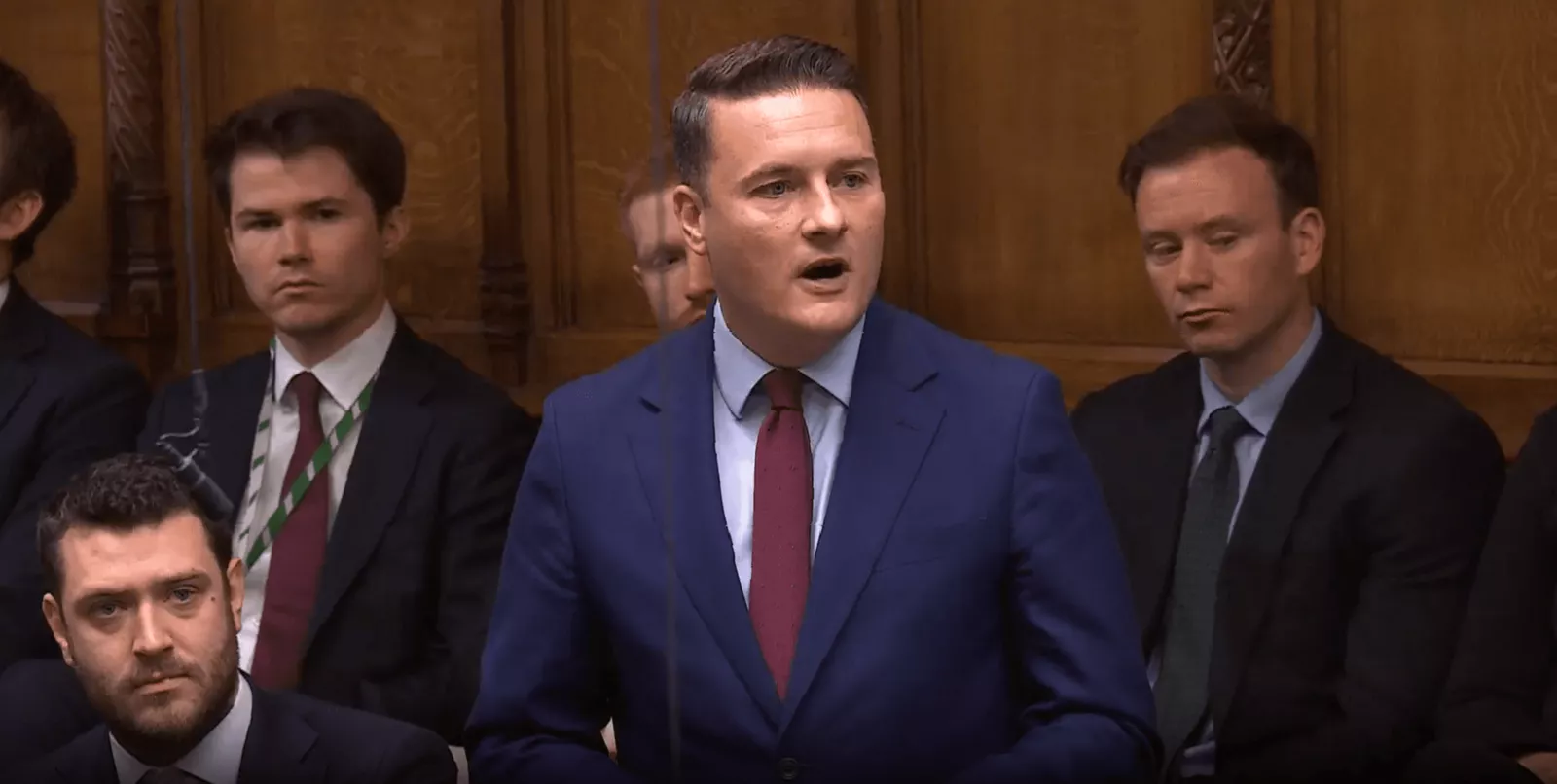
Conservative frontbencher Claire Coutinho has branded Wes Streeting’s resignation speech “eat, pray, love”, accusing the former Health Secretary of serving up a vacuous list of platitudes with no substance or difficult choices. Speaking to GB News, the Shadow Secretary of State for Energy Security and Net Zero said the address to Parliament offered little more than motherhood-and-apple-pie sentiments that nobody could disagree with, while dodging every major policy question facing Labour.
Coutinho, a former investment banker and ally of Rishi Sunak who holds a master’s degree in maths and philosophy from Oxford University, wasted no time in dismantling Streeting’s performance. “It was just a long list of platitudes,” she said. “I couldn’t really find anything in it that anybody would disagree with. He said we need to care about defence, we all agree with that. We care about health, we all agree with that. We care about young people – but what he didn’t have in there was any hard choices.” She compared the outgoing Health Secretary directly to Sir Keir Starmer, noting that Streeting had “the same haircut and the same words” as the Prime Minister. “He’s meant to be the best communicator, that’s the top guy, and I thought it was Keir Starmer – same haircut, same words,” she added. “There was maybe a nice bit about young people, but what else was there? I couldn’t hear a single tough choice. He mentioned AI revolution, maybe that was something he said in quite positive terms, but I mean, I’m scratching around to try and find something there of substance.”
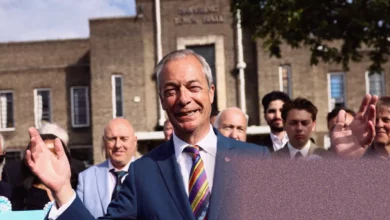
Streeting’s resignation from government was prompted by a loss of confidence in Starmer’s leadership, particularly in the wake of recent election losses and what he saw as the party’s failure to counter what he called “populist nationalism”. In his Commons address, he warned that Labour risks “handing the keys” of Number 10 to Nigel Farage’s Reform UK, and described Scottish and Welsh nationalism as an “existential threat” to the future of Britain. He insisted that “the future of this country will not be built by setting neighbour against neighbour, it will be built by renewing the bonds between us, decent jobs, strong public services, safe communities, a place we can call home, and a sense that everyone has a stake in Britain’s success.” That vision, he argued, should be built on “a confident British patriotism, decent, fair-minded, internationalist, bound together in common endeavour, with a conviction that our greatest strength has always been one another.” He also highlighted the threat posed by artificial intelligence to young people, describing an “AI jobs apocalypse” that leaves younger generations facing worse prospects than their predecessors, and called on the country to “fight for” them.
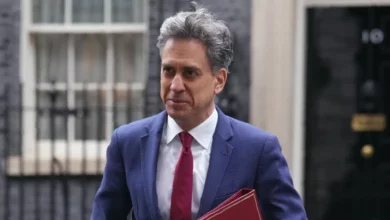
Coutinho, however, seized on the speech’s refusal to engage with the detailed policy choices facing the government. She demanded to know where Streeting stands on the immigration reforms championed by the Justice Secretary, Shabana Mahmood. “What does he think about Shabana Mahmood’s immigration reforms? We don’t know,” she said. Mahmood’s package aims to balance “compassion and control”, introducing a ten-year qualifying period for settlement, with conditions including a clean criminal record and a history of work and tax payments. The Justice Secretary has warned Labour MPs against retreating from the measures, arguing that failing to secure the borders could hand victory to Reform UK – a warning that has faced internal opposition from MPs concerned about the impact on refugees and the party’s traditional values. Coutinho also pressed Streeting on the net-zero agenda pursued by Energy Secretary Ed Miliband. “What does he think about Ed Miliband’s net zero ideology, which is crushing jobs? We don’t know,” she said. Miliband, a long-standing advocate of clean energy, has outlined plans to accelerate solar panels and electric vehicles, but Coutinho has previously accused him of making “false promises” on energy bill savings. “All of the big questions were completely unanswered, and I don’t think we learned anything from that speech,” she concluded on that point.
The Shadow Cabinet minister did not stop at policy specifics. She turned to the broader debate over nationalism and identity that Streeting had raised, arguing that the rise of ethno-nationalism is itself a reaction to the marginalisation of English identity and traditional British values. “The reason that ethno-nationalism is popping up is because for too long, you have had a group of people who say that the English identity should be pushed to the bottom of the pile,” she said. “The reason this country is great is because of the British traditions, the customs, the enlightenment and the Christian values and all of the things that have built our nation, this law that we all share and have put together. And I worry that it’s actually the dismantling of those great traditions, it’s the undermining of that national pride that then creates this negative reaction. So yes, I would completely fight ethnic-nationalism, but we must fight the sectarianism and the anti-British identity as well.”

Pressed by GB News presenter Tom Harwood on whether Labour could turn its fortunes around under a new leader, Coutinho said she wanted to see someone who “makes difficult decisions and fight for them”. She set out her own test for the next person to lead the party. “Whoever comes next needs to be someone who’s going to take on the welfare bill, who’s going to spend properly on defence, who’s going to fix the problems that we have with growth, take on sectarianism, and all of those difficult things.”