Millions of savers may soon face a new tax on investment ISA interest, as the Treasury prepares to impose a 22 per cent charge on cash held inside stocks and shares ISAs from April 2027. The measure, part of a wider clampdown on what the government calls “cash-like” holdings, is designed to prevent savers from sidestepping a planned reduction in the cash ISA allowance by parking large balances in investment wrappers instead.
How the 22 per cent tax charge works and why it is being introduced
The 22 per cent levy will apply to interest earned on any cash held within a stocks and shares ISA. It matches the basic rate of savings interest tax that comes into effect on the same date, and is almost identical to the 20 per cent charge that existed on such accounts before 2014. HM Revenue and Customs has already confirmed that cash held inside these ISAs will become subject to a tax on interest from April 2027, though the exact rate had not previously been disclosed. Sources familiar with the plans have indicated that full details of the new rules are expected to be announced shortly.
The charge is an anti-avoidance measure. Under the government’s reforms, the annual cash ISA allowance will be cut from £20,000 to £12,000 for savers under 65. Without a penalty on uninvested cash, savers could simply move money into a stocks and shares ISA and continue earning tax-free interest on it, effectively bypassing the reduced limit. By imposing the 22 per cent levy, the Treasury hopes to encourage savers to actually invest the money rather than leave it sitting as cash.
The move reflects a broader shift in savings taxation. From April 2027, income tax rates on savings interest earned outside ISAs will rise by two percentage points across all bands: basic-rate taxpayers will pay 22 per cent (up from 20 per cent), higher-rate taxpayers 42 per cent (up from 40 per cent), and additional-rate taxpayers 47 per cent (up from 45 per cent). The government says the increases are intended to “narrow the gap” between tax paid on employment income and income from assets, aiming for fairer taxation. Dividend tax rates also rose in April 2026, with the basic rate now 10.75 per cent, the higher rate 35.75 per cent, and the additional rate 39.35 per cent.
The number of people paying tax on savings interest has already risen sharply, climbing from 1.2 million in 2022–23 to a forecast 2.8 million by 2026–27. The Personal Savings Allowance remains in place — £1,000 for basic-rate taxpayers and £500 for higher-rate taxpayers — but rising interest rates and the higher tax rates mean more savers are likely to exceed it.
A Treasury spokesman said: “We are reforming the cash Isa to encourage more people to invest in stocks and shares which have historically performed better than cash savings and we have retained the generous £20,000 tax-free limit.” Rachel Vahey, head of public policy at investment platform AJ Bell, warned of the tight timetable: “This really does need resolving if the Treasury wants to keep to the timeline of April 2027. It leaves us with very little time to make changes. At the moment, we’re looking at a very sharp implementation period and we really need some clarity from the Treasury as soon as we can get it.”
Changes to ISA allowances
From 6 April 2027, the annual allowance for cash held in Cash ISAs will be cut from £20,000 to £12,000 for savers under the age of 65. Those aged 65 and over will retain the full £20,000 cash allowance. The overall ISA subscription limit — across all types of ISA — remains unchanged at £20,000, meaning anyone who wants to save more than £12,000 in a tax-free wrapper will need to put the extra money into a stocks and shares ISA or an innovative finance ISA.
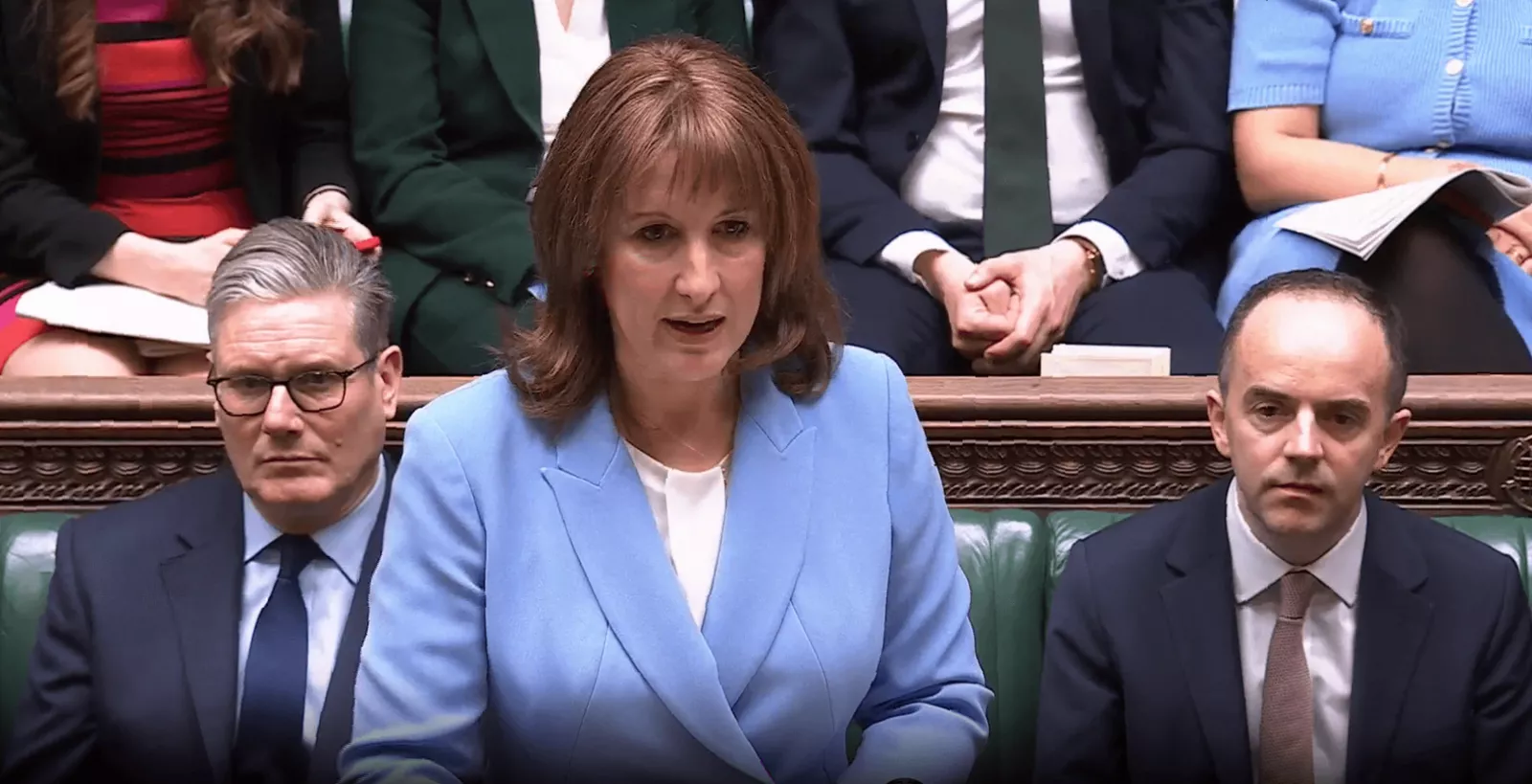
The government says the changes are intended to encourage more investment in UK markets, boosting equity capital for businesses. A Treasury spokesman said the reforms are designed to steer savers towards stocks and shares, which “have historically performed better than cash savings”. Reports suggest Labour may also scrap the previous Conservative government’s proposed “British ISA”, which would have offered an additional £5,000 allowance for investing in UK companies, deeming it too complex. Meanwhile, plans are under way to phase out Lifetime ISAs and replace them with a simpler product for first-time buyers, with a consultation expected in early 2026.
For savers who are already ISA millionaires — those with portfolios worth more than £1 million — analysis shows a strong bias towards holding shares over funds, suggesting a preference for direct investment among those with substantial ISA portfolios. The changes generally apply to new contributions from April 2027 and do not affect existing ISA balances.
Anti-avoidance measures: transfers and cash-like investments
Alongside the new tax charge, the Treasury will prohibit transfers from stocks and shares ISAs and innovative finance ISAs into cash ISAs. This prevents savers from circumventing the reduced cash ISA limit by moving money out of investment accounts and into cash once it is already inside the tax wrapper. Transfers between cash ISAs themselves will still be permitted.
HMRC has also confirmed in a newsletter that “cash-like” investments held in stocks and shares ISAs will face restrictions. This category includes money market funds, which offer marginally better returns than cash with minimal risk and are frequently used by investors waiting to purchase equities. The precise details of how restrictions on these investments will operate remain undisclosed, but the government’s intention is to stop them being used as a substitute for a cash ISA.
The reforms follow months of negotiations between Treasury officials, investment firms, brokers and building societies regarding how to penalise savers trying to circumvent the reduced cash ISA limit. Industry figures have raised concerns about the lack of clarity and the short implementation period. J.P. Morgan Personal Investing has already signalled an industry shift by unveiling plans to remove interest paid on cash-only pots within stocks and shares ISAs, suggesting that platforms may restructure their offerings ahead of the 2027 deadline.
Mandatory digital reporting for ISAs is also planned for April 2028, and the annual ISA subscription limits are frozen until April 2031. Savers who prefer to hold significant cash balances should be aware that the tax-free shelter for that cash is shrinking, while those willing to invest face higher taxes on uninvested holdings. Full details from the Treasury are expected shortly, with the clock ticking towards a 2027 implementation that many in the industry say leaves too little time for preparation.