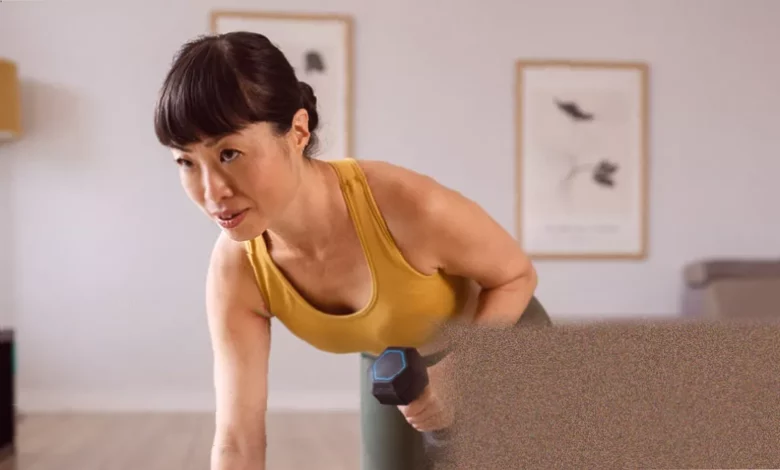
Starting strength training in midlife is far from pointless – in fact, experts say it could be one of the most powerful health decisions you ever make. Professor Leigh Breen, an expert in skeletal muscle physiology and metabolism at the University of Birmingham, puts it plainly: “People who’ve trained for years are better protected, but even late starters can dramatically reduce their disease risk in a short time.” Regular aerobic and resistance training, he notes, cuts the risk of almost every noncommunicable disease, including type 2 diabetes, cardiovascular disease and Alzheimer’s. The message is clear: it is never too late to begin.
The science of late-life muscle and the benefits that follow
Muscle mass peaks well before middle age. After 40, adults lose about 3% to 8% of muscle per decade, and after 50 the losses accelerate. This age-related decline, known as sarcopenia, means muscles no longer respond to exercise as they once did. For women, perimenopause adds a further challenge: declining oestrogen levels slow muscle protein synthesis, accelerate muscle breakdown and alter muscle fibre composition, making it harder to build strength and recover. Research indicates that hormone replacement therapy may help preserve muscle mass, though individual responses vary.
Yet the health rewards of taking up strength training in later life extend far beyond muscle. Building muscle boosts metabolism, helping to counteract the natural slowing that comes with age and aiding weight management. It stimulates bone growth, increasing bone mineral density and reducing the risk of osteoporosis – a particular concern for menopausal women. Strength training also lowers resting blood pressure, improves heart health and enhances blood lipid profiles. Mentally, it stimulates the release of endorphins, reduces anxiety and depression, and improves cognitive function. Many women find the process empowering; as professional bodybuilder Ann Marie Chaker, a former Wall Street Journal reporter now in her 40s, puts it: “Taking up space and putting on muscle is a beautiful thing.” Better posture, balance, joint health and even sleep quality have all been linked to regular resistance work.
Expert advice: where to start
A panel of female fitness professionals – all aged 40 or over and specialising in midlife training – offer clear, practical guidance. The experts include Stephanie Gaudreau, a certified personal trainer and founder of Strong With Steph; Ann Marie Chaker, professional bodybuilder and author of Lift; Caroline Idiens, 54, founder of Caroline’s Circuits and author of Fit at 50; and Kate Whetsel, 51, a certified personal trainer and health coach focusing on perimenopause.
You do not need expensive equipment. A recent study found that just five extra minutes of exercise and 30 minutes less sitting each day could help you live longer. Chaker recommends keeping a few sets of dumbbells stashed in a corner: “You’d be surprised, you can get a lot done.” Her at-home routine includes squats with a barbell and walking lunges with dumbbells held at her side. Gaudreau suggests lifting household items such as a backpack filled with books for a completely free option. Resistance bands are also highly recommended – Idiens calls them “the most underrated fitness gadget”. Her favourites from Gritin come in five strengths, are cheap and easy to transport, and allow a full-body workout in limited space. Research shows bands can offer similar strength gains to conventional weights and may be more effective at reducing body fat in overweight individuals.
Compound exercises: the efficient, multi-benefit choice
None of the experts advocate complex lifts such as the snatch. Instead, the advice is to keep it simple. “Stick to compound lifts and keep it simple,” says Whetsel. Compound movements – such as deadlifts and basic squats – engage multiple muscle groups at once, delivering cardiovascular benefits, improving flexibility and mimicking everyday movements to enhance functional fitness. They are more efficient, burn more calories and are easier to learn than isolation exercises.
To maximise these moves, Whetsel advises slowing down. “Slowing down the lowering portion [moving towards the bottom of your squat or deadlift] to a three-second count increases the demand on the tissues and also lends to better body awareness,” she explains. For an extra challenge that works the core, she suggests pausing for up to three seconds at the midpoint of the movement. This technique, known as tempo training, increases time under tension and improves control.
No weights? No problem. Chaker always starts every lift with no weight on the bar: “To get the juices flowing and get your body used to engaging in the mechanics of that particular lift.” To make bodyweight training effective, Whetsel recommends using the “reps in reserve” (RIR) method: do as many reps as you can with good form until you think you can only manage two or three more, then stop. This autoregulation tool tailors intensity to how you feel on the day, accounting for sleep, nutrition and energy levels.
Modifications and managing perimenopause
Setting ego aside is crucial. “It can be hard to be a true beginner again. We need to set our ego aside and be bad at things,” says Whetsel. For minor aches and pains that accumulate with age, modifications are often non-negotiable. Gaudreau advises finding an entry point: “If we’re talking about a squat, maybe start by having them squat to a bench. We’re controlling the range of motion.” For push-ups, using handles can reduce strain on the wrists and keep shoulders stable – affordable options are widely available. If mobility issues persist, working with a personal trainer is well worth the investment.
Perimenopause symptoms such as hot flashes need not derail progress. Whetsel suggests sipping ice water before and during workouts, wearing loose, sweat-wicking clothes, and training in a well-ventilated space. She personally wears Lululemon, Title Nine, Oiselle and Gap for activewear. Many of her clients use instant cooling towels – such as Frogg Toggs – during summer sessions.
Recovery is part of the workout
As women age, declining oestrogen makes it harder to lower stress hormone levels after exercise. Whetsel recommends calming practices such as box breathing – inhaling for four counts, holding for four, exhaling for four, holding for four – or a quick yoga flow to help the nervous system settle. Sleep is paramount. “I try to get eight hours of sleep each night. It’s the most important thing you can do for recovery, bar none,” says Chaker. Epsom salt baths, such as Dr Teal’s Pure Epsom Magnesium Salt Soak, can relax sore muscles by increasing blood flow and further improve sleep quality. Adequate hydration is also vital, especially during perimenopause when hormonal fluctuations affect fluid balance; pale straw-coloured urine is a good indicator of proper hydration.