Heated towel rails are among household products facing new energy efficiency rules under proposals being drawn up by the Department for Energy Security and Net Zero (DESNZ), as part of Labour’s drive to cut carbon emissions.
The new restrictions
Under the plans, “insufficient” underfloor heating systems and storage heaters will be banned from sale. From next year, new models of those products — including heated towel rails — will have to meet improved energy efficiency requirements. Heated towel rails are expected to be limited to a maximum of six hours of operation per day. Gas fires will also be affected, with roughly half of current models facing restrictions or outright bans. Overall, more than a third of all “space heating systems” could become illegal to sell under the new rules.
The Government has made clear that nobody will be forced to remove existing systems. The regulations apply only to new models and new sales. The changes are being implemented in line with similar restrictions already in force in the European Union.
The move follows a precedent set earlier this year: from January 19, 2027, the sale of new air-vented, condenser and gas-fired tumble dryers will be banned, permitting only highly efficient heat pump tumble dryers to be sold.
Criticism of the plans
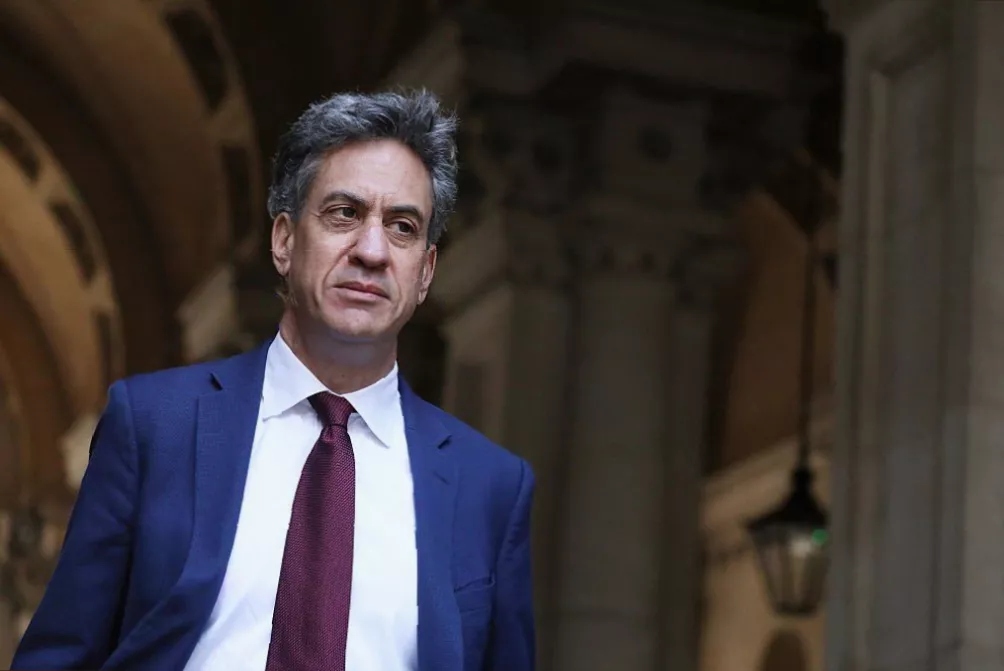
Energy Secretary Ed Miliband has faced fierce criticism over the proposals. Broadcaster Lizzie Cundy, speaking on GB News, described his focus on Net Zero as an “obsession” that is “costing us billions”. She said: “God help us, that’s all I can say. Ed Miliband, I call him a Net Zero disaster. What is this about? Getting rid of heated towel rails? The man is obsessed. He’s got this obsession with Net Zero, and what it’s doing, it’s costing us billions. Our hard work, our taxpayer money for his dream, for his ideology.”
Ms Cundy accused Mr Miliband of being “narrow-minded” and compared him to Sir Keir Starmer, saying he “does not listen, he’s narrow-minded, he doesn’t care. He’s like Keir Starmer, he doesn’t listen to anyone else. He is hurting the economy and he is just hellbent on this obsession of Net Zero. He’s going to cover our wonderful green land with solar panels and wind farms, which actually, by the way, will come from where? China.”
Highlighting Mr Miliband’s push for electric vehicles, Ms Cundy noted that only 1.5 million people drive electric cars in the UK, compared with 19 million who own petrol cars and 10.4 million who own diesel. Labour has confirmed a ban on new petrol and diesel car sales by 2030, with hybrids allowed until 2035, and petrol and diesel vans also phased out by 2035. Ms Cundy argued: “How is he going to do this? And do you realise with electric cars, we’re going to have to build new roads, new car parks, because the batteries are so heavy. He hasn’t thought this through, he doesn’t care. He’s got no thought for this country.”
Shadow Energy Secretary Claire Coutinho has also criticised the plans, calling them “Soviet-level intrusion” and saying that “lives are being dictated by net zero legislation”. She argued Labour is prioritising “tone-deaf green ideology rather than bringing down household costs”.
Public opinion on Net Zero remains divided. While 60% of Britons support the Net Zero commitment, there is less appetite for the specific policies needed to achieve it. A majority (64%) believe the UK should reach Net Zero by 2050 or earlier, but only 17% think the target will actually be met. Concerns about rising energy prices are widespread — 91% of people expect costs to increase over the next 10-20 years. Research suggests media coverage of Net Zero is often negative, which may overstate the perception of unpopularity. Support for Net Zero is strongest among left-leaning voters, while Reform UK voters are the most sceptical and opposed.
Defence and how ‘insufficient’ systems will be identified
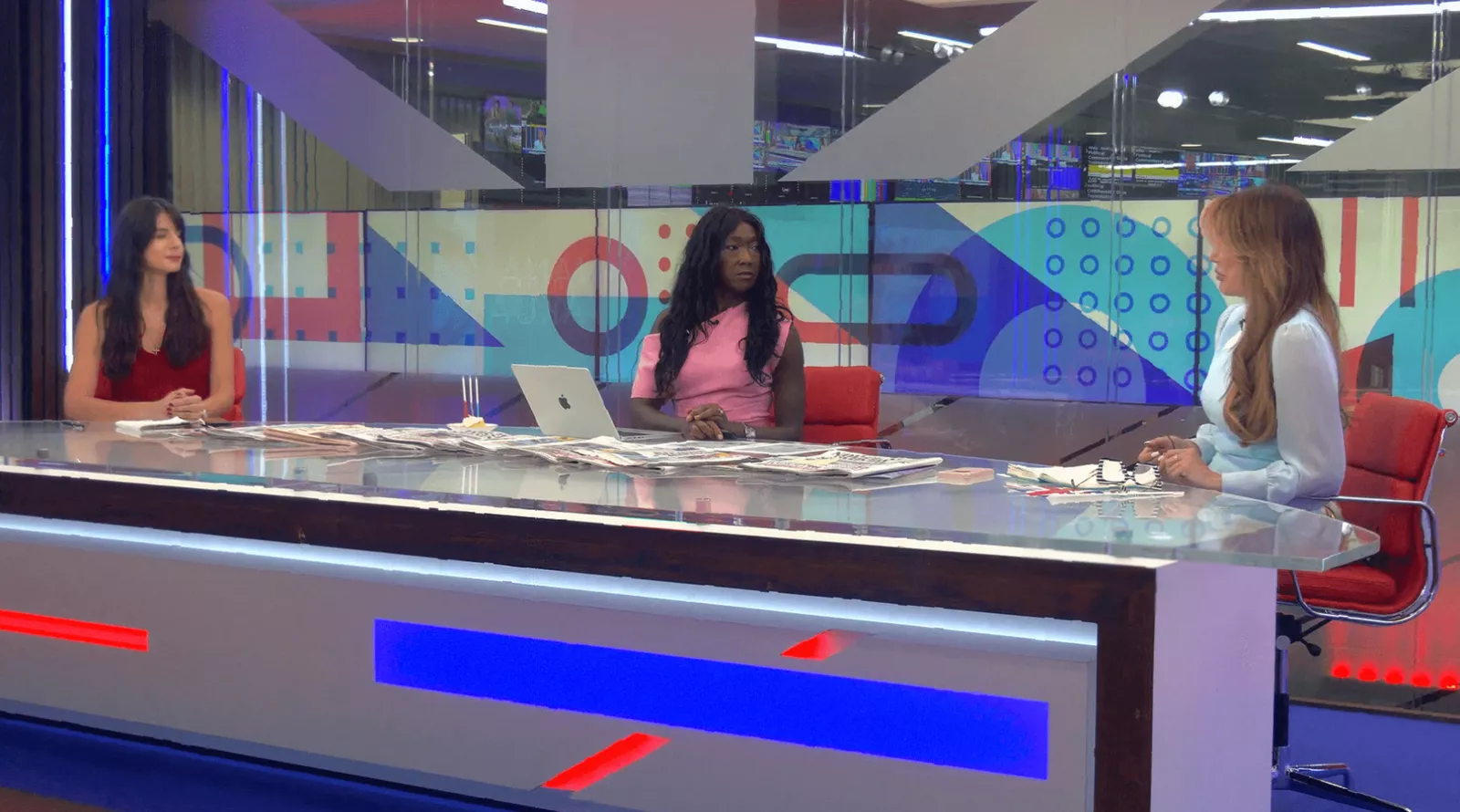
Defending the plans, commentator Stella Tsantekidou told GB News that Mr Miliband is “not trying to ban anything”. She said: “Ed Miliband is a minister who knows how to work the Government, who knows how to get things done. He’s not banning any of these things, he is just going to ban the ones that are not performing well enough, the ones that are not as efficient or stable.”
GB News presenter Nana Akua asked how “insufficient” systems would be measured. Ms Tsantekidou replied: “Manufacturers have perfectly efficient ways of doing that.”
The technical basis for assessing efficiency lies in existing regulations. The Ecodesign Directive (Lot 20), retained in UK law, already sets minimum energy efficiency standards for “local space heaters”, including electric heated towel rails. In force since 2018, it requires these products to have intelligent, energy-saving control features such as 24/7 programmable timers and precise electronic thermostats. The directive does not ban electric heating but mandates efficiency standards. Electric towel rails solely heated by mains electricity are covered, while central heating or dual-fuel towel rails are exempt. The new proposals appear to be an update or extension of these standards, potentially introducing stricter operational limits such as the six-hour daily cap.
For underfloor heating and storage heaters, manufacturers will be required to demonstrate that new models meet improved energy performance thresholds. The regulations will use the established energy efficiency labelling system, which rates appliances from A (most efficient) to G (least efficient), to help consumers make informed choices and to enforce compliance.
A spokesperson for DESNZ said: “Our reforms will save households money by improving the energy efficiency of underfloor heating, towel rails and storage heaters.”
The cost of the broader Net Zero transition remains contested. Some estimates suggest it could exceed £1 trillion, while the Climate Change Committee puts the net cost at around £116 billion between 2025 and 2050, with potential long-term savings. The Office for Budget Responsibility expects the transition to raise public debt by about 21% of GDP by the early 2070s.