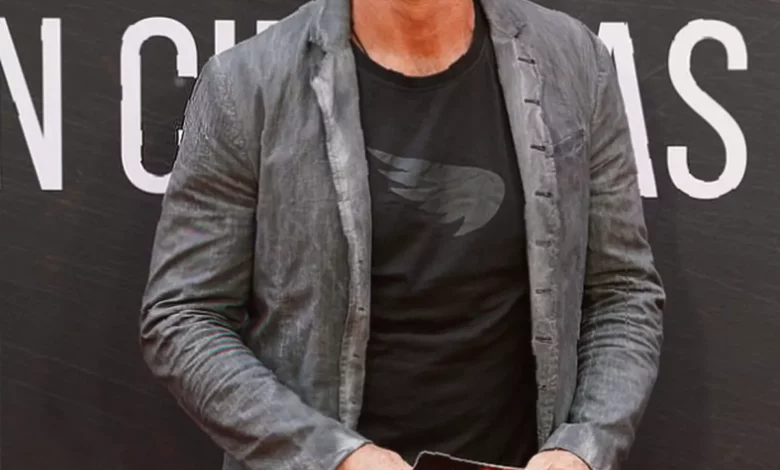
Pat Cash has delivered a stark warning that grassroots tennis in Australia is “dying” without a fundamental shift in priorities, urging incoming Tennis Australia boss Andrew Abdo to focus on saving “the heart and soul” of the sport rather than being seduced by the commercial glitz of the Australian Open.
The former Wimbledon champion said he was told by a tour player on Monday that “tennis in Aus is gonna die” if the sport’s governing body does not execute a complete 180-degree turnaround in its priorities. In an Instagram post that has jolted the tennis establishment, Cash questioned whether an “NRL commercial exec” – Mr Abdo, who resigned as chief executive of the National Rugby League this week – could fix the deep-seated problems he says have been festering for decades.
“Has he been drawn into the glitz and glamour of the AO beer sales and one-point tennis matches, or is he gonna work on saving the heart and soul of Australian tennis?” Cash wrote. “After all, there are 49 other weeks to the year. I keep hearing participation is up? Compared to when?? Reality is, club tennis and competition has been dying for decades!!”
De Minaur strikes an optimistic note
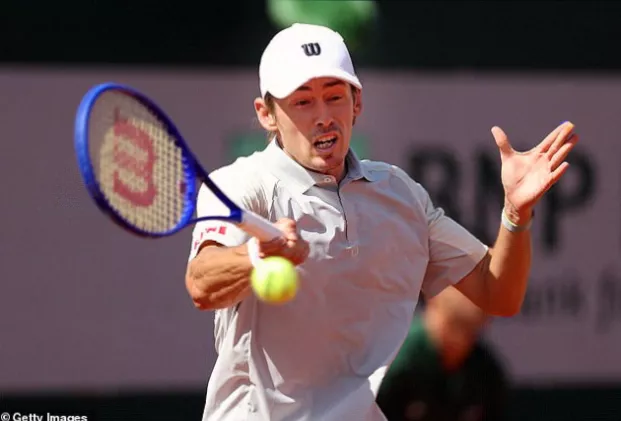
Cash’s gloomy assessment stands in sharp contrast to the reaction from Australia’s current top-ranked men’s player, Alex de Minaur, who was at the French Open in Paris when the news of Mr Abdo’s appointment broke. De Minaur, a self-confessed rugby league fan, said he was “excited to see what the vision is going to be” and praised outgoing CEO Craig Tiley, who has led Tennis Australia since 2013 and is moving to the United States Tennis Association.
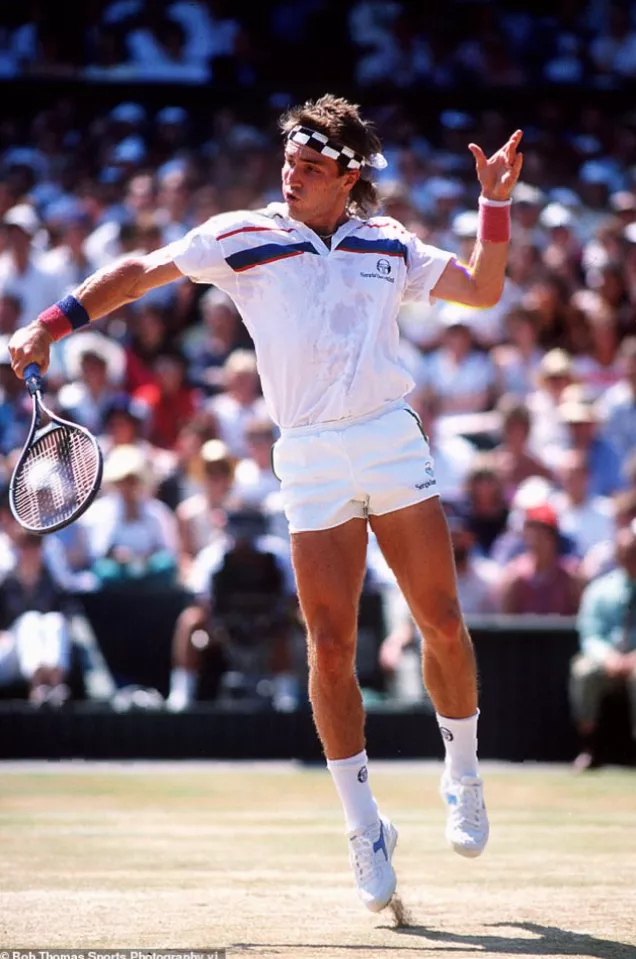
“Of course, we had Craig for a long time, who I thought did an incredible job. Tennis Australia is a really strong federation,” de Minaur said. “In the whole performance phase, we’ve done a pretty good job over the last couple of years, about showing strength in numbers, especially in the men’s side in the top 100. There’s definitely places we can grow, and I’m excited to see what the vision is going to be.”
Fellow Australian player Rinky Hijikata, one of six Australian men inside the world’s top 100, admitted he did not know Mr Abdo personally but said he had heard of his success with the NRL. “My guess is probably as good as yours,” he told reporters. “From what I’ve heard, is he’s done well with the NRL, and I’m a Parramatta Eels supporter, so I follow the NRL, but I haven’t paid too much attention to what he’s done in the league.” He added with a laugh: “But the Eels are playing in Las Vegas next year, so maybe I’ll see if maybe he can get me a few tickets for next year’s game!”
A litany of failures: Cash’s specific concerns
Cash’s warning goes far beyond a single social media post. Over recent years the 1987 Wimbledon champion has laid out a detailed critique of Australian tennis that, he argues, is now reaching a crisis point. The most urgent problem, he says, is the collapse of club-level competition. “Local coaches are exhausted and fed up, clubs are going broke, junior results are the worst in history,” he wrote, insisting that the priorities of Tennis Australia “need a complete 180 turnaround”.
The coach burnout Cash describes is backed up by research into the profession. A study of Australian tennis coaches found that women face particular barriers including discrimination and marginalisation, with many not intending to stay in the profession long-term. Coaches of both genders report stress from the demands of stakeholders. In Queensland, there is a documented shortage of qualified coaches in regional communities, which further undermines club viability. While tennis relies on a majority of professional coaches – unlike many other sports that depend on volunteers – the pressure at the club level has become unsustainable, according to those working in the system.
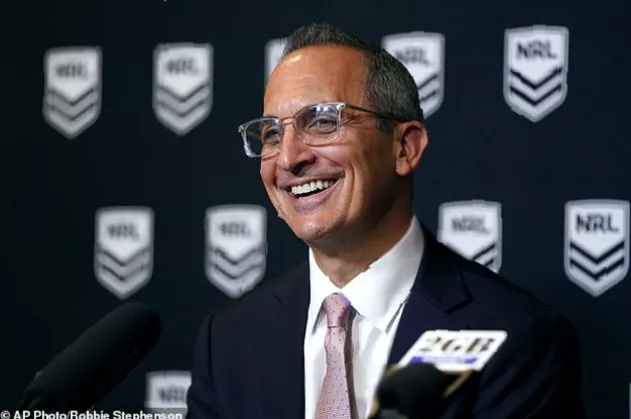
Cash has also repeatedly attacked what he sees as a lack of tennis acumen on Tennis Australia’s board. “We are the only major tennis nation who doesn’t have any tennis players on the board,” he has said, arguing that the priority is making money rather than developing players. That commercial focus, he fears, will be reinforced by Mr Abdo’s background. Under Mr Abdo’s leadership, the NRL reported a record operating surplus of A$64.8 million in 2025 and revenue growth of 12 per cent per annum between 2015 and 2019. Australian Rugby League Commission chairman Peter V’landys praised him so highly he said replacing him would require “Superman and Jesus added together”.
But Cash believes the elite success that de Minaur and others represent masks a rotten foundation. He has pointed to a lack of success in junior Grand Slams: “We had no wins, boys or girls, at Wimbledon juniors; we had one round win at the Australian Open, which is the weakest junior Grand Slam.” He argues that successful Australian players like Alexei Popyrin and de Minaur himself grew up and trained in Spain, not in Australia, because the coaching standard at the grassroots is simply not good enough or experienced enough.
Participation figures paint a contested picture. Tennis Australia and outgoing CEO Craig Tiley have frequently pointed to rising numbers – in December 2023 the governing body said over 1.4 million Australians had played tennis in the previous year, with a 7 per cent yearly increase in children. However, an AusPlay report from 2022 found a concerning decline in junior participation, with children switching to cheaper alternative sports such as basketball and football. Cash’s challenge – “Compared to when??” – reflects a belief that the true state of the sport is far worse than official data suggests.
The new boss: Andrew Abdo’s challenge
Mr Abdo will not take over at Tennis Australia until July 15, 2026, remaining with the NRL to ensure a smooth transition. He was selected after a global search that evaluated more than 150 candidates. Tennis Australia chair Chris Harrop said Mr Abdo “stood out because of his strong track record of leadership in a high-profile sports organisation” and his “impressive impact he has had from community level through to the elite levels of the game”. Mr Abdo himself has said he aims to “keep evolving” the Australian Open as a global event and fan experience, and to use that platform to bring more people into the sport.
For now, many of the Australian players in Paris admitted they knew little about the man who will succeed Mr Tiley. De Minaur said: “It’s something that’s come overnight. I don’t know him personally. I’m sure I would love to get to know him and learn a little bit more about what he’s keen to do or what his vision is for Tennis Australia.”
Cash’s blunt verdict remains the most prominent public response. “Can an NRL commercial exec fix the heart and soul of Oz tennis? I wish Andrew the best of luck,” he wrote. The former champion’s message leaves little room for ambiguity: without a change of course, he insists, tennis in Australia will die.