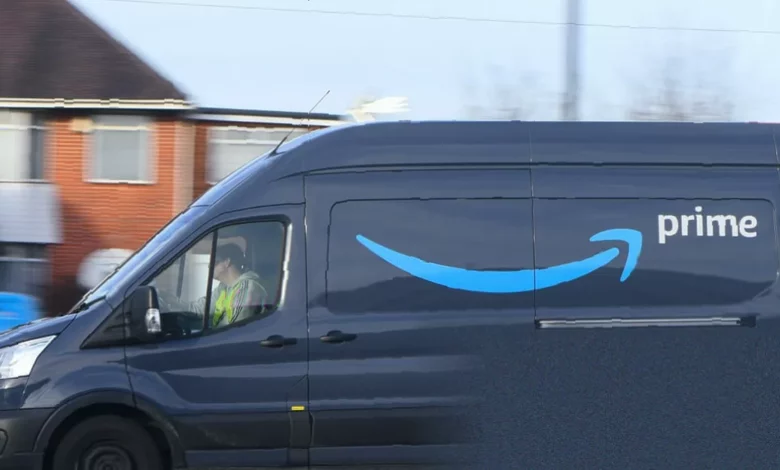
Amazon is adding fresh fruit, vegetables, meat, dairy and frozen foods to its same-day delivery service in London, a move that comes as the company closes its standalone grocery stores and repositions its entire UK grocery operation around online logistics.
The service allows shoppers to combine fresh produce, poultry, seafood, bread, eggs and frozen items with tinned goods, packets, fashion and DIY products in a single basket. It is initially available in parts of central and east London, with plans to expand to additional postcodes and other areas of the country in the coming months. The same-day fresh grocery offer is an additional free option for Amazon Prime subscribers on orders over £20; non-members pay a £5.99 delivery fee regardless of basket size.
Expansion of ultra‑fast deliveries
Alongside the fresh grocery integration, Amazon is scaling its ultra‑fast delivery service, Amazon Now, which promises deliveries in under 30 minutes. The service, currently limited to parts of London, will reach Manchester and Birmingham this year. Same‑day delivery is also being extended to Ipswich and Coventry.
The fresh grocery element had been trialled in the United States before its UK launch. John Boumphrey, Amazon’s UK country manager, said the company was “focused on making grocery shopping easier and faster for customers, with low prices on millions of items”. He told the Guardian that the new home‑delivery services would allow Amazon to “scale more broadly and faster” than its standalone stores, adding that grocery remained “a category we want to play in”. Five of the 19 former Amazon Fresh stores are being converted into Whole Foods Market outlets, and the company has closed all of its hi‑tech “just walk out” Fresh stores in the UK.
“Not everything we do works but we are always going to learn from it,” Boumphrey said.
Strategic shift and investment
Amazon’s decision to shut its own physical grocery stores marks a sharp strategic turn. The company is now concentrating on online delivery, leaning on partnerships with established retailers such as Morrisons, Iceland, Co‑op and Gopuff, which it announced last autumn. The aim is to double the number of Prime members able to access at least three of its grocery options.
Despite its scale, Amazon has found it tough to compete with major players like Tesco, Sainsbury’s and the online specialist Ocado’s joint venture with Marks & Spencer. The new delivery‑focused strategy is an attempt to gain a stronger foothold without the overhead of physical stores.
Amazon UK reported revenue of approximately £30 billion in the 12 months to December 31, 2024, a near‑13% increase on the previous year. The company also said it booked sales of about £32 billion in its most recent financial year, up around 10% from £29 billion in 2024. It has committed to investing £40 billion in the UK over three years from 2025, a figure that includes four new fulfilment centres, an expansion of its corporate headquarters in east London, upgrades to more than 100 existing buildings, and enhancements to transportation infrastructure. A separate £8 billion is earmarked for building and operating UK data centres between 2024 and 2028. The company’s total tax contributions in the UK exceeded £1.3 billion in 2025, an increase of more than 20% compared with 2024.
Whole Foods Market is also being expanded. The premium organic chain plans to double its UK store count to 12 by mid‑June 2026, with six new London openings. Five of those are located in former Amazon Fresh sites. The expansion will introduce the smaller‑format “Daily Shop” concept to the UK for the first time.
Technology and the workforce
To enable the fast‑track deliveries, Amazon is increasing its use of robotics and artificial intelligence across its warehouse network. The company has invested €700 million in robotics and AI across Europe and plans to introduce more than 1,000 new innovations by the end of 2024. Machines in fulfilment centres now include AI‑powered voice controls that allow staff to guide equipment by speaking, as well as the next‑generation Proteus robot, which can respond to conversational prompts.
Boumphrey said that AI and robots were “not taking jobs but changing the nature of work”. He pointed to growing demand for engineering skills to maintain equipment, design robot routes around warehouses and oversee safety. Amazon continues to take on about 1,000 apprentices a year in the UK.
The company is also trialling drone deliveries. Amazon’s Prime Air service, using MK30 drones, has begun limited trials in Darlington — the first location outside the United States — for small, everyday items. The trials are subject to approval from the Civil Aviation Authority and are currently restricted in scope.
Boumphrey used the expansion to highlight what he described as a “national crisis” around the number of young people not in education, training or employment. He argued that the education system was not producing young people ready for the world of work, and that employers needed better communication and problem‑solving skills from new recruits. He suggested more work experience would be helpful and that the government should consider making it mandatory for those over 16.