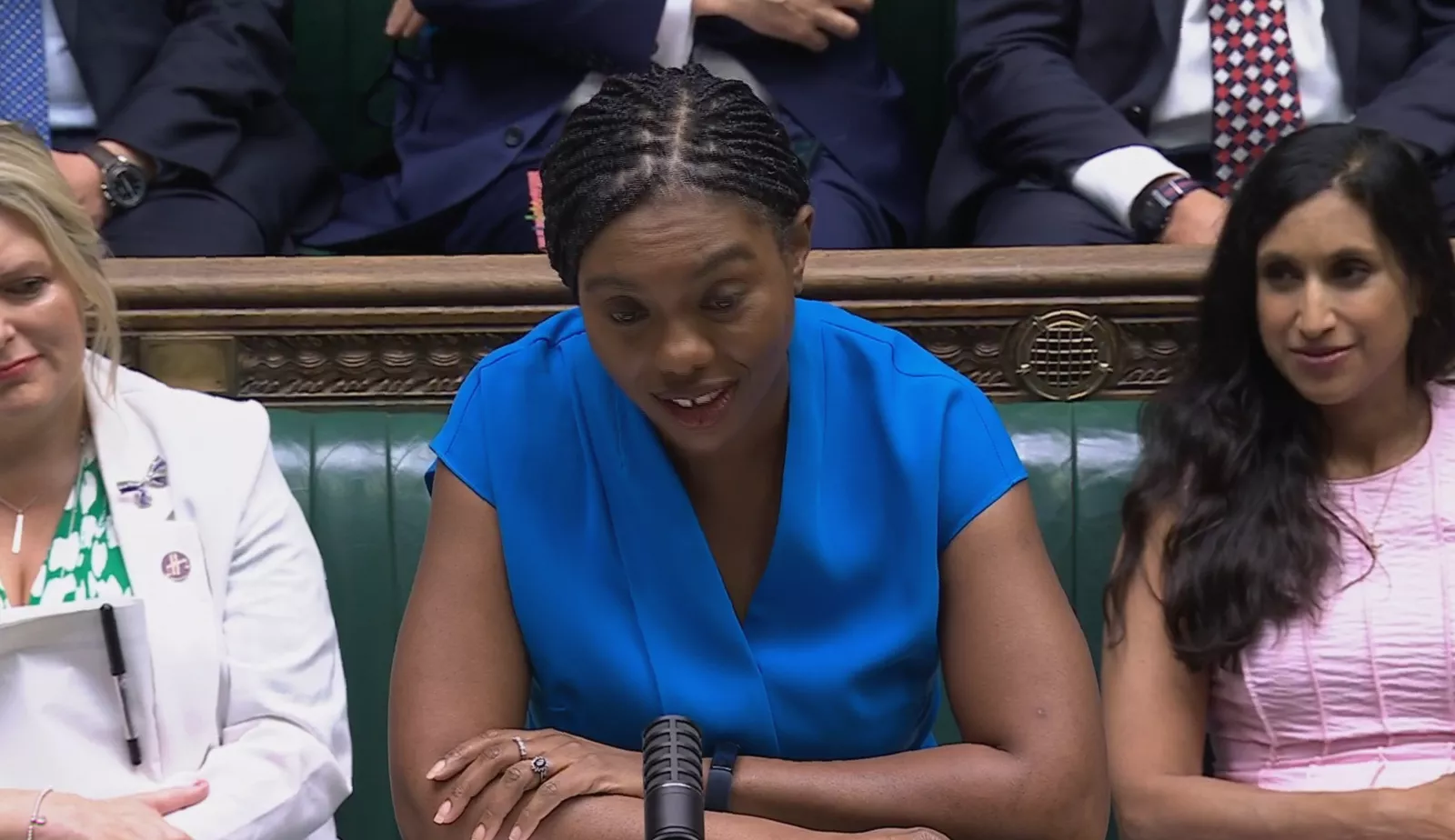
Sir Keir Starmer mounted a defiant defence of his chancellor and his record in what was likely his final Prime Minister’s Questions on Wednesday, as Conservative leader Kemi Badenoch accused Rachel Reeves of prioritising a photograph with Andy Burnham over attending the prime minister’s resignation speech.
It was the first time the outgoing prime minister had appeared in the Commons since his emotional statement outside Number 10 on Monday, where he announced he would step down after his parliamentary party told him he was no longer best placed to lead them into the next general election. He accepted the decision “with good grace”, having inherited a party he described as “politically, financially and morally bankrupt” six years ago.
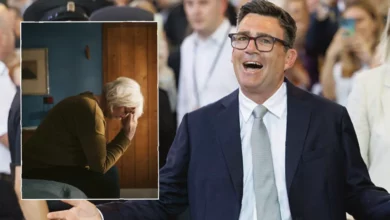
Badenoch did not hold back. She told MPs that Reeves – the first female chancellor – “lives next door to him but wouldn’t even come out to stand by him during his resignation speech”. Instead, Badenoch claimed, the chancellor was “too busy getting ready for a selfie with the new leader”. She asked directly: “Does the prime minister feel let down by his chancellor?”
Sir Keir responded by offering a full tribute to Reeves and her record, pointing to the fastest fall in NHS waiting lists for 17 years, new rights for renters and working people, and lifting half a million children out of poverty. He said he and the chancellor had “picked up our party six years ago from the worst defeat since 1935, turned it around and won a landslide general election, giving them the biggest drubbing in their history”.
Badenoch turns fire on Miliband and Phillipson
The Tory leader widened her attack, accusing Ed Miliband of having “betrayed” Sir Keir by jumping “into bed with the mayor of Manchester” when the going got tough. She drew a parallel with Miliband standing against his brother David in the 2010 Labour leadership election, asking whether the prime minister thought “his treachery should be rewarded by being appointed chancellor”.
Badenoch also criticised Education Secretary Bridget Phillipson, calling her a “spiteful class warrior” over the tax on private schools and what she claimed was a fall in teacher numbers. The Speaker, Sir Lindsay Hoyle, intervened to ask for “a little bit more decorum and respect”, adding: “When we leave this chamber, don’t be surprised when constituents feel they can use the same language against each other.”
Sir Keir hit back, telling Badenoch he was “so proud” of Phillipson, who grew up in poverty. “I am so proud she is sitting there and so should everyone in this country who cares about social mobility,” he said. Veteran Conservative MP Sir Desmond Swayne also weighed in, quoting Hilaire Belloc’s poem Jim, Who Ran Away from His Nurse and Was Eaten by a Lion – whose moral, “always keep a-hold of Nurse, for fear of finding something worse”, appeared to warn Labour against replacing Starmer with Burnham.
EU relations and the Burnham question
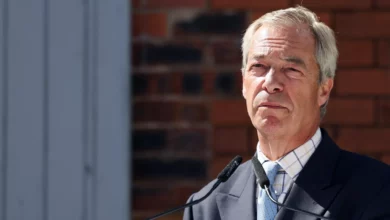
Liberal Democrat leader Ed Davey used the session to urge Starmer to tell his likely successor to “put his EU red lines in the past” and adopt his party’s plan for a new growth and defence partnership with the bloc. Davey pointed to the record-breaking 40C temperatures expected on Wednesday, saying he was “alarmed” that some politicians “follow Donald Trump with policies to send temperatures soaring even higher”. Sir Keir, who has ruled out returning to free movement, the customs union or the single market, did not rule out advising Burnham to change course, instead reiterating that his own reset of EU relations was bringing the UK closer together.
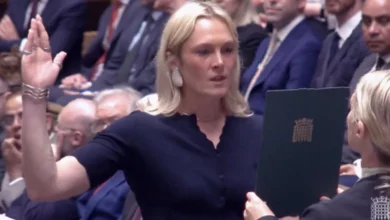
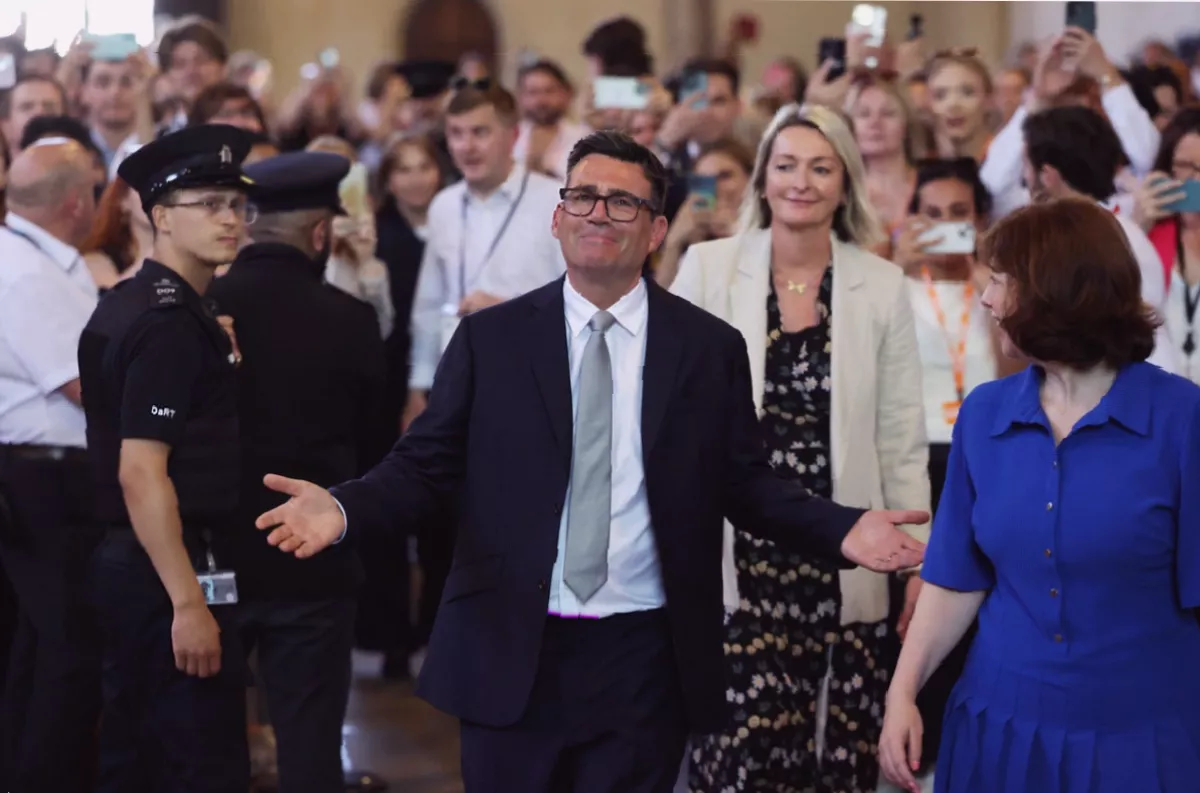
Burnham, who was sworn in as the new MP for Makerfield on the same day after winning the by-election on 18 June, is the overwhelming frontrunner to succeed Starmer. The by-election was called specifically to create a vacancy for the Greater Manchester mayor to enter Parliament – the first time a contest has been manufactured for that purpose. Nominations for the leadership open on 9 July and close on 16 July; if Burnham is the sole contender, he could become leader by 17 July. Wes Streeting, once seen as a potential rival, has already endorsed him.
What Burnham’s premiership could look like
Burnham is expected to set out detailed devolution plans on 29 June, including a proposed “Number 10 in the North” that would base part of the prime ministerial operation in Manchester. No British prime minister has systematically run part of their government from outside London. His approach, sometimes labelled “Manchesterism”, aims to replicate his mayoral successes on transport, skills, housing and health, and he has signalled he wants greater flexibility on government spending and borrowing, criticising current fiscal rules as too beholden to the bond market. Rachel Reeves has previously criticised Burnham’s economic policies.
The leadership contest comes at a time of deep political fragmentation. Mid-June polling put Reform UK on 24.0 percent, Labour on 19.0 percent, the Conservatives on 19.0 percent, the Green Party on 15.0 percent and the Liberal Democrats on 13.0 percent. Starmer’s resignation makes him the fifth prime minister in ten years, underlining the instability that has characterised British politics since the 2016 Brexit referendum.
Despite the attacks, Starmer insisted he was proud of every Labour MP who won the 2024 landslide, and told the Commons: “The test for every prime minister is handing over the country in better shape than you found it. I know I can do that, which is more than can be said for her predecessor, her predecessor’s predecessor, and her predecessor’s predecessor’s predecessor.” Badenoch, who has said she will not apologise for her PMQs performance, claimed Reeves’s budget “killed economic growth” and that “once again a Labour prime minister is leaving office with unemployment higher than when he came in”.