Dismissed BP chairman says he made own coffee and refused chauffeur as he rejects false claims

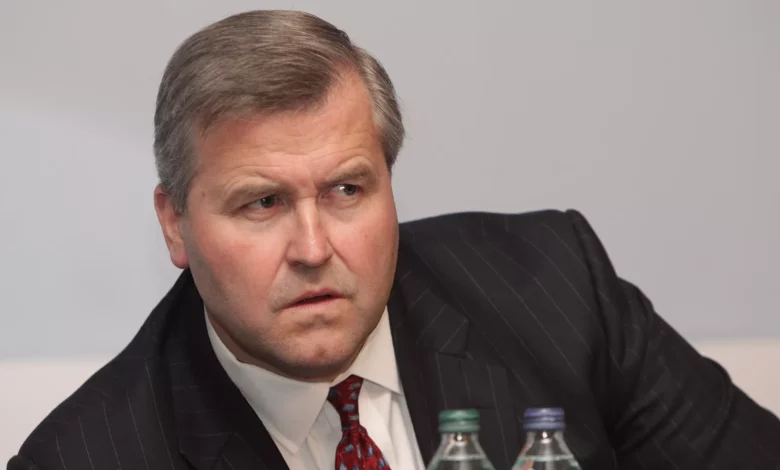
Albert Manifold, the ousted chair of BP, has mounted a robust defence against what he describes as “lies” about his conduct, insisting he brewed his own coffee, bought lunch at a local cafe and refused a chauffeur-driven limousine during his brief tenure at the oil giant.
In a lengthy statement issued after his dismissal, the 63-year-old former chief executive of CRH rejected claims that he bullied colleagues, arguing that his frugal habits were intended to set an example during a period of cost-cutting. “I had no interest in having a dedicated chauffeur-driven limousine at my beck and call. I, like most people, walked, took taxis, trains etc,” he wrote. “I made my own coffee, bought my lunch in the local cafe. I sat in a small office, eschewing the grand corner-office privilege of previous chairmen. I did these things because I wanted to set an example.”
Manifold, who was appointed chair in October 2025 and removed with immediate effect on Tuesday, also said he had no interest in private aviation or corporate tickets for sporting events. His statement directly challenged the anonymous sources who have alleged “lots of yelling in meetings” and aggressive behaviour towards colleagues. “What I do not accept is that lies can be told about me, nor that anyone should be allowed to hide behind anonymity when commenting on my time at BP,” he said.
‘Driving change’ versus ‘conduct’ — the core dispute
The heart of the row centres on the gulf between Manifold’s view of his own actions and the board’s characterisation of them. The former chair acknowledged that he challenged colleagues directly in his determination to shake up the company. “When I arrived at BP last year, I found a company that, in my view, lacked strategic cohesion and direction. I also believe it lacked clarity on messaging, urgency of delivery, and I believe those issues could have impacted shareholders’ interests,” he said. “From my very first day, I set out to address these matters and ensure that shareholder interests continued to be front and centre of everything that BP did.”
He continued: “Is it possible that in my determination to drive change on costs, performance, the balance sheet and shareholder communications, I pushed hard and challenged people directly? Yes, it is. But there is a considerable distance between driving an organisation with urgency and the characterisation of my conduct that is now being put about.” Manifold insisted that at no point during his tenure did anyone raise concerns with him directly about his behaviour. “Throughout my professional career I have been a passionate advocate of shareholders’ rights and have had a relentless focus on simply making businesses better. I continued to do this during my time at BP, however, it felt to me that my priorities were not always shared by everyone.”
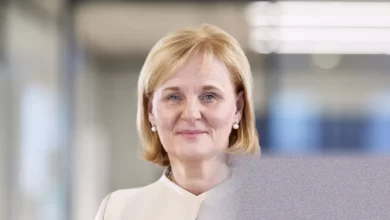
BP’s board cited “serious concerns” related to “important governance standards, oversight and conduct” when it announced his removal. Amanda Blanc, BP’s senior independent director, said: “Albert has helped bring a welcome focus and pace to BP’s transformation. However, the board has been surprised and disappointed to learn of governance oversight and conduct issues it deems unacceptable and has taken decisive action.” Multiple sources, citing whistleblower reports, have alleged that Manifold behaved aggressively towards colleagues and attempted to exert control in a manner more akin to an executive chairman. Senior colleagues reportedly felt belittled by him. BP itself said in a statement: “We note the comments of our former chair. We stand by the statement we have made. We have a duty of care to all our employees, particularly those impacted by his behaviour.”
Legal action now likely
The clash appears headed for the courts. Manifold was in line for annual pay and bonus fees of £1 million this year, and he is expected to sue BP for that sum, compensation for loss of office, and damages for what he terms serious harm to his corporate reputation. The company, meanwhile, maintains its position that it acted properly to protect its workforce.
Manifold’s departure is the latest in a pattern of leadership turmoil at BP. Former chief executive Bernard Looney resigned in 2023 after failing to disclose relationships with colleagues. His successor, Murray Auchincloss, left abruptly in December 2025 with no clear reason given. Meg O’Neill, the fifth chief executive since 2020, was appointed to accelerate BP’s shift back towards fossil fuels. Manifold himself was chosen to oversee that strategic pivot away from renewable energy investment. However, his appointment had already been met with scepticism: at BP’s April 2026 annual general meeting, 18% of votes were cast against his re-election as chair, partly due to the company’s decision to exclude a climate resolution from activist group Follow This. Shareholder advisory group Glass Lewis had recommended voting against him because of governance concerns.
BP’s share price has suffered amid the instability. The stock dropped sharply on the announcement of Manifold’s departure, falling as much as 10% at one point, and has been noted as being no higher than it was in 1999. Shares were steady today at 51.4p, leaving the business valued at £81bn.