BP throws support behind Amanda Blanc to oversee chairman recruitment despite shareholder doubts

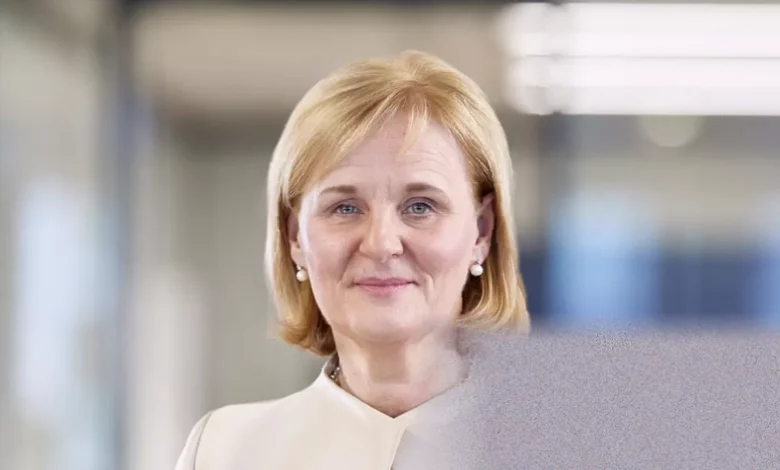
BP has reappointed Amanda Blanc to lead its search for a new chair, despite mounting investor unease over her role in the company’s governance following the sudden departure of its previous chairman after only eight months.
The board confirmed that Blanc, the senior independent director and chief executive of insurer Aviva, would run the process to find a successor to Albert Manifold. Ian Tyler, who stepped in as interim chair after Manifold was ousted, said the search would be “rigorous” and involve the entire board, with the final decision reflecting their collective view. Some shareholders and City figures have expressed concern that Blanc – who also led the previous search that resulted in Manifold’s appointment last July – should not take the helm of a second hunt given the turbulence that followed her first recommendation.
Manifold’s abrupt exit and the conduct allegations
Albert Manifold, the former boss of Irish building materials company CRH, took up the chair in October 2025. He was tasked with steering BP’s strategic reversal: away from renewable energy investments and back towards oil and gas extraction, a pivot that had been set in motion by the previous chief executive, Murray Auchincloss. But his tenure was cut short after less than a year when the board removed him, citing “serious concerns” over what it described as “important governance standards, oversight and conduct”. Amanda Blanc stated at the time that there had been “governance oversight and conduct issues it [the board] deems unacceptable”.
According to reports, senior colleagues felt belittled by Manifold, and he was perceived as trying to exert control as if he were an executive rather than a chair, overstepping the traditional non-executive role. The Local Authority Pension Fund Forum described Manifold’s removal as a “stark indication” of “serious governance challenges” within the company.
Manifold has hit back forcefully at BP’s characterisation. In a statement last Wednesday, he said he was fired “without warning and without explanation” and added: “I dispute entirely the characterisation of my conduct and I will not allow a false narrative to go unchallenged.” He has denied any allegations of bullying, calling them “lies”.
Even before his dismissal, Manifold had riled some investors. At his first annual meeting in charge of the board, nearly a fifth of votes – 18% – were cast against his re-election after he blocked a resolution from the environmental shareholder group Follow This. The resolution had asked BP to report on how it would protect shareholder value if demand for oil and gas fell.
Investor doubts over Blanc’s reappointment
The decision to put Blanc back in charge of the chair search has drawn criticism from a string of City figures and large investors. The Financial Times reported that some have questioned whether she is the right person to lead the process, given that the candidate she helped appoint lasted just eight months. Blanc had previously led the search for a successor to Helge Lund in 2025, which resulted in Manifold’s appointment.
Blanc joined the BP board as a non-executive director in September 2022 and was appointed senior independent director in April 2024. In that role, mandated by the UK Corporate Governance Code, she is expected to act as a sounding board for the chair, serve as an intermediary for other directors and shareholders, and lead the annual evaluation of the chair’s performance – a function that becomes especially consequential during leadership transitions. Investors have also called for a “Say on Climate” vote at BP’s AGM in response to the company’s strategic shifts away from its earlier climate commitments.
Blanc herself is a prominent figure in UK business. As group chief executive of Aviva, she has held senior roles at AXA and Zurich Insurance Group. She was named in Forbes’ list of the World’s 100 Most Powerful Women and received a Damehood in the 2024 New Year Honours for services to business, gender equality, and net-zero.
A pattern of boardroom turmoil
The instability at the top of BP is not new. Manifold’s exit is the latest in a series of leadership upheavals. Shortly after taking the chair, Manifold ousted the chief executive, Murray Auchincloss, who had been in the role for less than two years. Auchincloss had replaced Bernard Looney, who was forced out in September 2023 for failing to disclose relationships with colleagues when he was made chief executive. In December 2025, BP hired Meg O’Neill, a former ExxonMobil executive and head of Australian oil company Woodside Energy, as its new CEO. She became BP’s first female chief executive when she started the role in April 2026.
The strategic direction of the company has also been a source of contention. Under Auchincloss, BP announced in February 2025 a plan to scale back renewable energy investments and increase annual fossil fuel spending to approximately $10 billion, reversing its 2020 pledge to cut oil and gas output by 40% by 2030 and rapidly expand renewables. The company cited slower-than-expected progress in the energy transition, volatile energy markets, and a need to focus on shareholder value as reasons for the pivot.
With the search for a new chair now under way again, BP’s board faces the challenge of restoring confidence among investors who have seen a rapid turnover of both executive and non-executive leadership. Tyler, the interim chair, said the search would be rigorous, but the reappointment of the same senior independent director to lead it has done little to quiet the doubts.