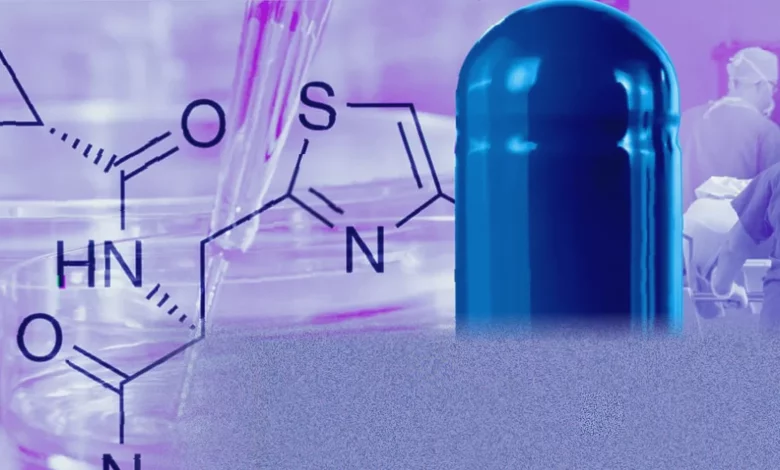
A new drug, daraxonrasib, has doubled survival time for patients with pancreatic cancer, offering what researchers describe as a potential game-changer for one of the deadliest forms of the disease. The results, presented at the American Society of Clinical Oncology’s (Asco) annual meeting in Chicago at the weekend, come from a 500-person trial in which patients taking the daily pill lived a median of 13.2 months, compared with 6.7 months for those on standard chemotherapy. Progression-free survival also improved, rising from 3.6 months to 7.2 months. Crucially, the drug – which shuts down the KRAS protein that drives cancer cell growth – produced fewer side effects than traditional chemotherapy. KRAS mutations are found in more than 90% of pancreatic cancers and were long considered “undruggable”. The United States Food and Drug Administration has granted daraxonrasib “Breakthrough Therapy” designation, reflecting its potential. “One longtime cancer researcher reported that she cried reading the results,” noted Professor Devi Sridhar, chair of global public health at the University of Edinburgh, who wrote about the findings.
A leap forward, but not a universal cure
The excitement around daraxonrasib reflects a deeper reality about cancer: it is not one disease. There are more than 200 distinct cancer types, each with its own biological mechanisms, risk factors, symptoms and treatment options. Even within a single cancer type – breast cancer, for example – dozens of molecular subtypes exist, typically simplified into four groups for clinical decisions. This diversity means that a single “cure” for all cancers is highly unlikely. Instead, progress comes from developing specific advances for specific cancers: better prevention, earlier diagnosis, more precise treatments and improved survival for each subtype.
Daraxonrasib is a textbook example. It targets a mutation present in the vast majority of pancreatic cancers, a disease so aggressive that in the UK just over one in 20 patients survive five years after diagnosis. The new therapy works by blocking the KRAS protein, which causes cells to grow and divide uncontrollably. Because the drug is tailored to a specific genetic driver, it is unlikely to help patients without that mutation – but for those who have it, it represents a dramatic improvement.
That same principle played out elsewhere at the Asco meeting. Researchers also unveiled amivantamab, a bispecific antibody described as a vaccine for head and neck cancer – the sixth most common cancer globally. In a 102-person trial, the treatment shrank tumours in more than a third of patients. Amivantamab works by activating the immune system to attack the tumour while simultaneously blocking two proteins that help tumours grow. Both daraxonrasib and amivantamab are now being tested for other cancer types, demonstrating that an advance in one area can sometimes open doors for others.
Precision medicine and the broader gains
Beyond these two drugs, the field is making steady gains through precision medicine – matching treatments to patients who are most likely to benefit. Sridhar noted that blockbuster drugs, often seen as game-changers, frequently work only in a small percentage of people depending on their genetics, yet doctors have historically prescribed the same medications to all patients. A new international study has found that a DNA test can distinguish which breast cancer patients will respond to certain chemotherapy drugs – and, crucially, which will not – sparing the latter group unnecessary side effects and stress.
Progress is also visible in blood cancers. Survival rates for leukaemia have doubled over the past half-century: the five-year relative survival rate rose from 34% in the mid-1970s to 68% by 2021, according to data cited in research supporting the article. Targeted therapies such as tyrosine kinase inhibitors (like imatinib and dasatinib) have transformed chronic myeloid leukaemia, allowing many patients to live close to a normal lifespan. Immunotherapies including rituximab and CAR T-cell therapy have improved outcomes for B-cell leukaemias and lymphomas.
Workforce gaps and diagnostic delays
Despite these advances, the global cancer care system is under severe strain. Each day, 100,000 people worldwide are diagnosed with cancer, yet there are not enough medical professionals to treat them. New research projects a shortfall of 100 million cancer care workers by 2050, with the largest gaps in nursing (65 million) and diagnostic staff (16 million). This crisis will be compounded by a predicted 21% rise in cancer incidence over the same period, leading to an estimated 35.3 million new cases annually. The shortfall will hit low- and middle-income countries hardest, but the NHS in the UK faces similar pressures, with insufficient numbers of lab technicians, cancer specialists, nursing and support staff.
Late diagnosis remains a persistent problem. Worldwide, one in three cancer cases goes undiagnosed, and in the UK around half of all cancers are detected at a late stage. For less survivable cancers – pancreatic, lung, brain – diagnosis often occurs through emergency admissions when symptoms become severe. Data from England shows 53% of pancreatic cancers and 44.9% of lung cancers are diagnosed in emergency settings, compared with just 2.7% for breast cancer and 7.8% for prostate cancer. Treatment delays compound the problem: almost every hospital trust in England has failed to meet the NHS target of starting treatment within 62 days of an urgent referral. In England, only 69% of patients began treatment within that window; comparable figures were 71% in Scotland, 61% in Wales and 33% in Northern Ireland. The 62-day standard has not been met in England since December 2015. The UK government has set a target to meet all cancer waiting time standards by March 2029. Every four-week delay, Sridhar notes, reduces patient survival by approximately 10%, a figure that varies by cancer type. She writes from personal experience: after a cervical smear, her own lab results took months to come back – and were positive. She was treated by the NHS and is now clear.
The rise in young adults – and what is driving it
Perhaps the most troubling trend is the increase in cancer among people under 50. This is no longer a disease linked only to ageing. Cancer rates among 25- to 29-year-olds in industrialised countries rose by 22% between 1990 and 2019. In the UK, the increase among adults aged 25 to 49 was even sharper – 24% between 1995 and 2019 – the highest of any age group. Around 35,000 under-50s in the UK are diagnosed with cancer each year, nearly 100 young people a day. Researchers from Harvard University have argued that each successive birth cohort appears to have a higher risk of developing cancer later in life. The implication, Sridhar writes, is that “you’re more likely to develop cancer at a younger age than your parents and grandparents, and your children are ultimately more likely to develop cancer than you are.”
No single cause explains this shift, but evidence increasingly points to a changing environment – the “exposome” – rather than simple genetics. Obesity and being overweight are considered primary drivers: elevated insulin levels and chronic inflammation linked to excess weight are implicated in 10 of the 11 cancers that are rising in younger people, including bowel, pancreatic, endometrial and ovarian cancers. Rising average body mass index scores have outweighed the effects of smoking, alcohol and physical inactivity, which have remained stable or declined. Other factors under scrutiny include ultra-processed foods, sugary drinks (which preclinical models suggest may fuel colorectal cancer spread), alcohol, stress, increased insomnia, and chemicals leaching from plastics and food additives. In England, 11 cancers are becoming more common among young people: thyroid, multiple myeloma, liver, kidney, gallbladder, pancreatic, endometrial, oral, breast and ovarian. Notably, bowel and ovarian cancers are rising only in those under 50, bucking the trend seen in older populations.
Hope from past investment
Despite these challenges, Sridhar points to a more optimistic thread. Her father – an oncologist and lung cancer researcher – died of leukaemia and lymphoma in 2001 at the age of 49, just a month after she turned 17. In the 25 years since, survival rates for his specific subtypes have risen dramatically. The shift from broad-spectrum chemotherapy to precise immunotherapy and targeted medications has transformed outcomes. If he were diagnosed today, his chances would be far higher, thanks to consistent investment in scientific advances and healthcare. The UK government has now unveiled a National Cancer Plan aiming for 75% of patients diagnosed from 2035 onwards to be cancer-free or living well after five years, supported by expanded robot-assisted surgery, faster diagnostics and the commitment to meet waiting time standards by 2029. Sridhar’s own brush with cervical cancer – treated successfully by the NHS – underscores that progress, though uneven, is real. The question is whether the workforce and infrastructure can keep pace with both the ageing population and the worrying rise of cancer in the young.