A pioneering treatment that combines a low dose of chemotherapy with precisely targeted electrical pulses, delivered using robotic guidance, is offering new hope to patients with inoperable tumours after being used for the first time in the United Kingdom.
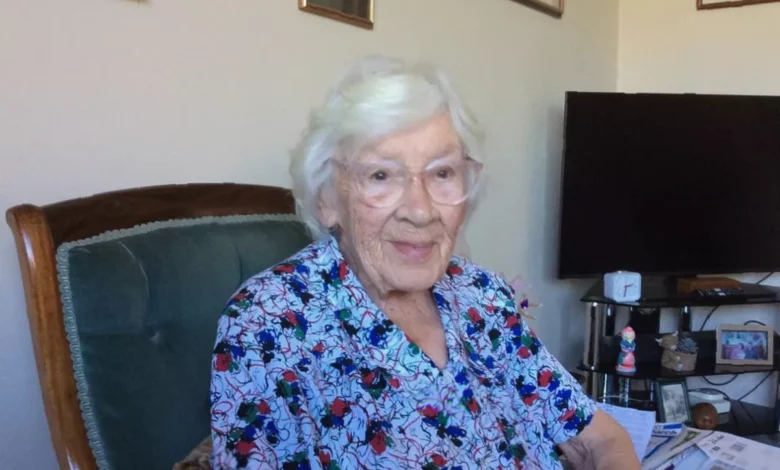
The procedure, known as robotic-guided electrochemotherapy, was carried out at Leeds Teaching Hospitals NHS Trust on a 92-year-old great-grandmother from Harrogate, North Yorkshire, whose liver tumour had been deemed untreatable by conventional methods. The result has been a dramatic shrinking of the tumour by around 80 per cent, with scans now showing it in a stable condition.
How the pioneering treatment works
Electrochemotherapy works by combining a small dose of chemotherapy drugs with short, controlled electrical pulses. These pulses temporarily increase the permeability of cancer cells, allowing the chemotherapy to enter and destroy them far more effectively than would otherwise be possible. Crucially, the treatment does not use heat, which means it can safely be applied to tumours located close to vital structures such as blood vessels and bile ducts — areas where conventional surgery, radiotherapy or thermal ablation would pose unacceptable risks.
In this first UK case, the team used a robotic needle guidance system — the Epione system — to place the needles with extreme precision around the six-centimetre tumour in Mrs Brenda Iveson’s liver. Professor Tze Min Wah, research and innovation lead for the interventional oncology programme at Leeds Teaching Hospitals NHS Trust and professor of interventional radiology at the University of Leeds, said the robotic assistance “really helped with this particular case, the needles provided more accurate placement and made the treatment times shorter”.
The procedure was carried out under general anaesthetic. Mrs Iveson has since reported feeling “very well” and described the treatment as “not painful or debilitating”.
The patient and the doctor behind the breakthrough
Mrs Iveson was diagnosed with the liver tumour in late 2025. Surgery, chemotherapy and radiotherapy were all ruled out because of the tumour’s location and her frailty. “This treatment allowed us to offer an option where there would otherwise have been none,” Professor Wah said. It was when she reviewed Mrs Iveson’s case that the professor recognised the pioneering treatment could provide the hope the patient and her family needed.
Professor Wah is a leading figure in interventional oncology in the UK. A professor at the University of Leeds since August 2022 — the first woman appointed to a chair in interventional oncology in the country — she has led an internationally recognised clinical and research programme at Leeds Teaching Hospitals NHS Trust since 2004. Her expertise includes image-guided cancer treatment and translating innovative medical technology into patient care. She has also been involved in research on histotripsy for liver and kidney cancers and is a founding member of Interventional Oncology United Kingdom (IOUK), as well as co-chairing the EDI committee for the British Society of Interventional Radiology.
Leeds Teaching Hospitals NHS Trust’s interventional oncology programme is one of the largest in the UK and serves as a national and supra-regional centre for specialist treatment, with extensive experience in minimally invasive treatments for cancers of the kidney, liver, lung and adrenal gland. The trust was the first outside London to acquire the Epione robotic guidance system for minimally invasive liver and kidney cancer treatment.
A European research study and future hope
Leeds Teaching Hospitals NHS Trust is currently the only hospital in the UK delivering liver cancer electrochemotherapy as part of a European research study. This study is assessing the safety and efficacy of the treatment for liver cancer patients, examining its impact on survival, quality of life and pain. The success of Mrs Iveson’s case is a significant step towards broadening the application of the technique to other patients whose tumours are in difficult locations or who are too frail for conventional treatments.
Mrs Iveson herself is clear about the wider significance. “Research may offer real results when there are no other options. If it helps me and future patients, then it’s worth it,” she said. Her case underscores the potential of interventional oncology — a field increasingly regarded as a “fourth pillar of cancer care” alongside medical, surgical and radiation oncology — to transform outcomes for patients who have exhausted every conventional avenue.