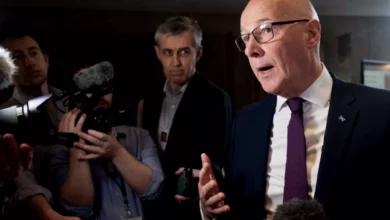
Voters in Makerfield heading to the polls on 18 June are putting the cost of living and illegal immigration at the top of their list of priorities, with many expressing deep frustration over the pressures of everyday life and the perceived failure of politicians to address them.
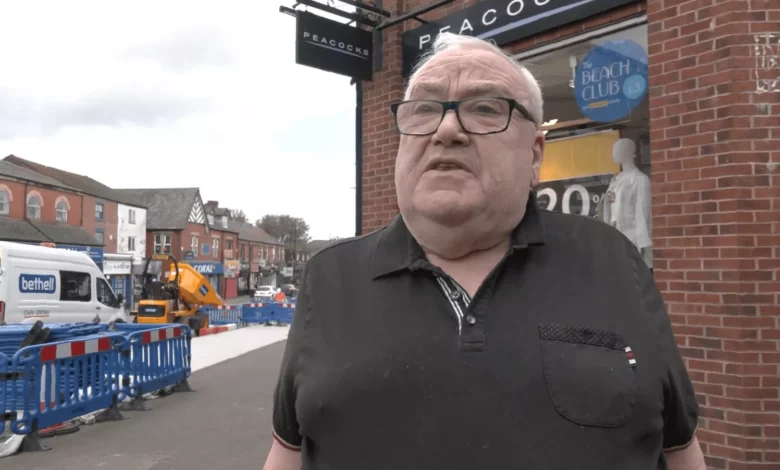
In Ashton-in-Makerfield, the noise of a £6.6 million regeneration project funded by the Levelling Up fund filled the streets, but above the clamour of construction one concern dominated conversations: the soaring cost of living. Residents spoke of inflation, rising energy bills and tax increases as issues they want the next MP to tackle urgently.
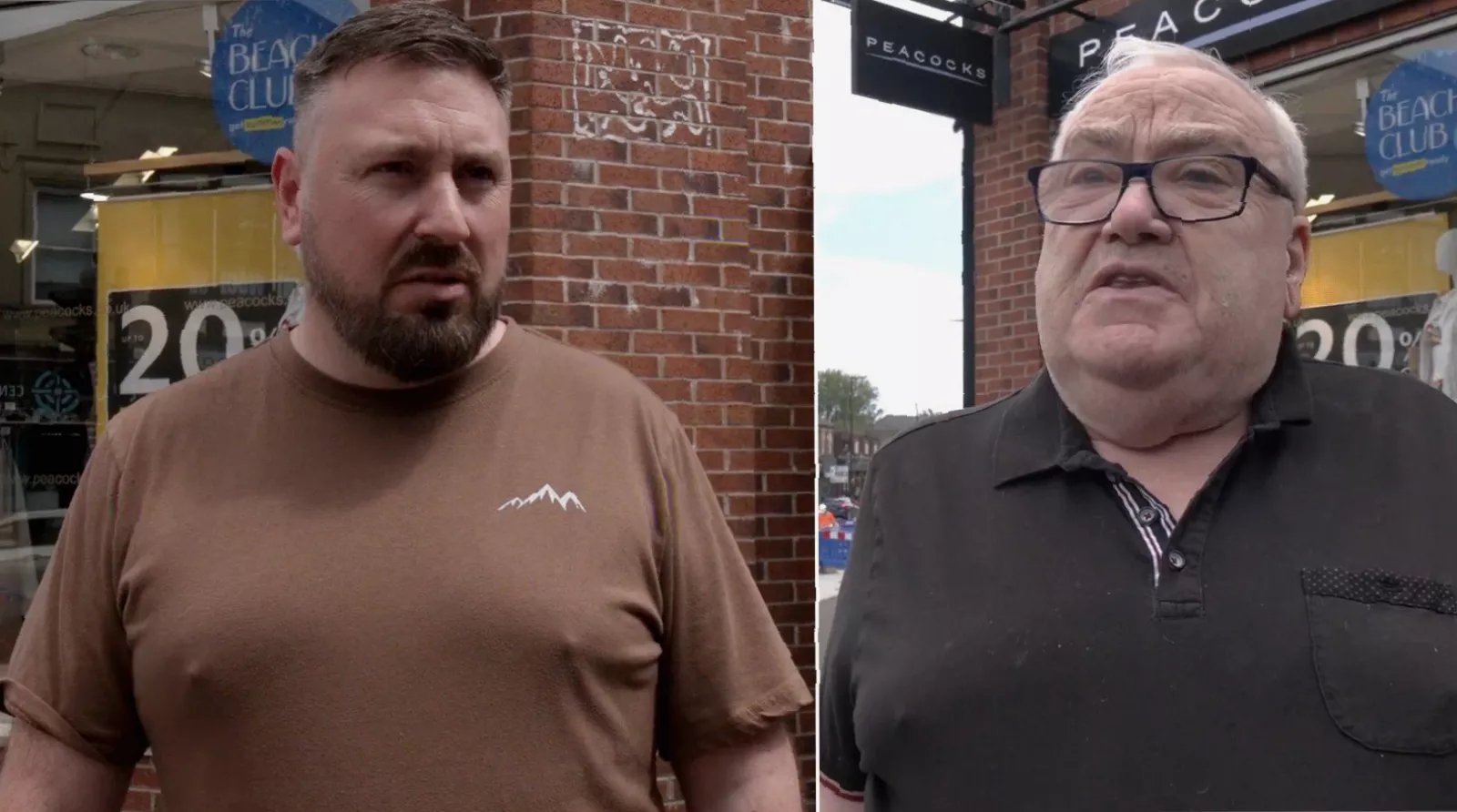
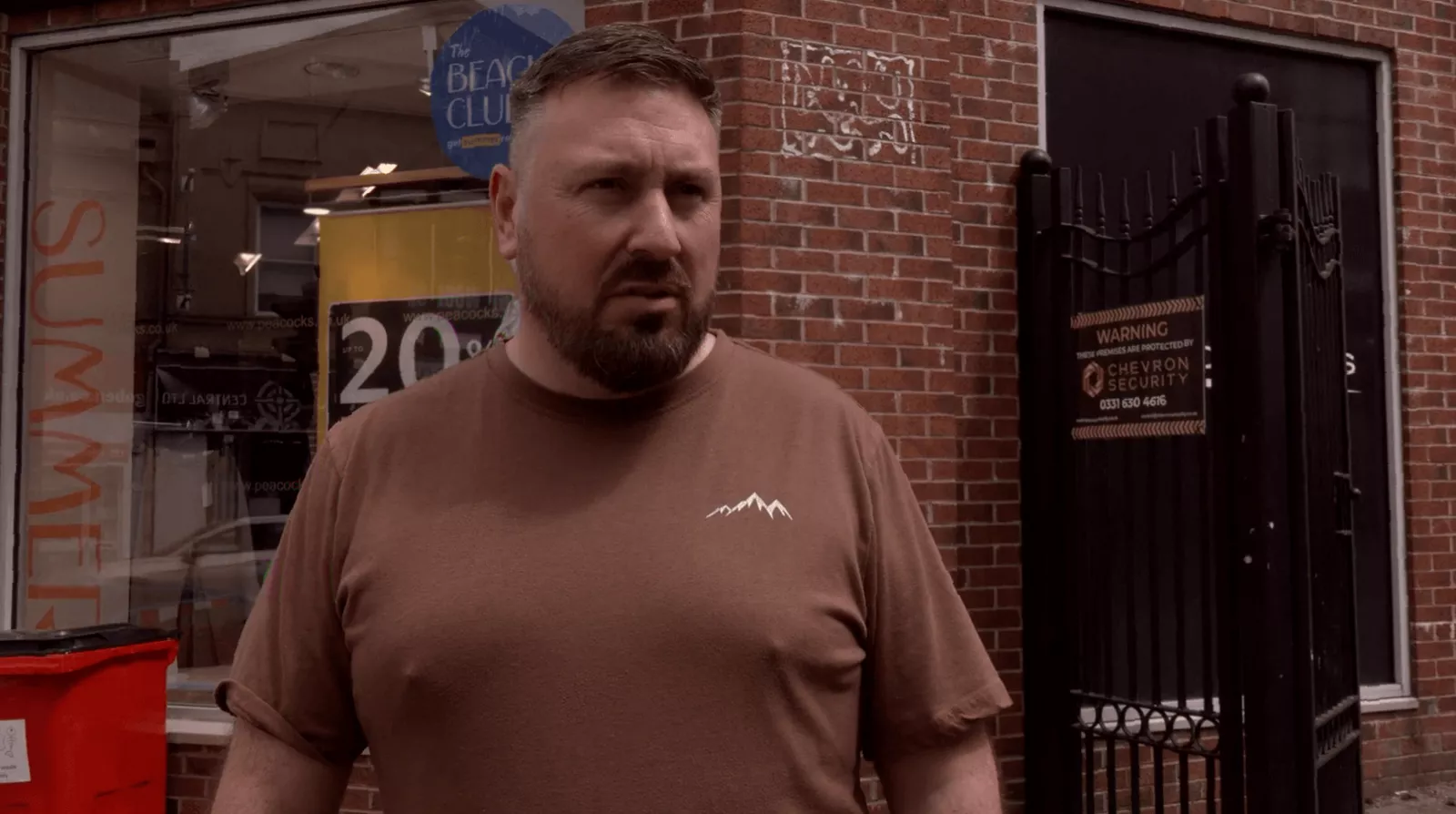
One man told GB News: “The fuel rises and on all of this has been brought on by Trump starting this war, it is not right to do that. We need someone who can stand up to him.” Another voter pointed to the expense of rail travel, saying: “The cost of rail travel to go to London is an absolute fortune.”
For some, the financial strain has become acute. One man, speaking on the condition of anonymity, described the daily reality of life on minimum wage: “Life’s difficult, you know, at the end of the day I’m on minimum wage and I don’t really have enough money to pay my bills. I was even discussing with someone about going to a food pantry and stuff, but it’s not really something I’d ever thought I’d have to do.” A woman put it more bluntly: “People should have more money in their pockets, a lot more money in their pockets.”
The scale of the pressure is reflected in local economic data. The median weekly wage for full-time employees in Makerfield is £550.80, lower than both the regional and national averages, according to constituency statistics. Fuel poverty affects 45.6% of households, and an estimated 23,700 homes hold an Energy Performance Certificate (EPC) rating lower than C, underlining the burden of heating costs. Wigan Council has introduced initiatives to identify unclaimed benefits for residents, while the authority itself has faced increased energy costs.
Illegal immigration is the other dominant concern on the doorstep. Makerfield is a constituency where 96% of residents are white and British-born, and 65% voted to leave the European Union in the 2016 referendum. One man told GB News: “If you’ve got illegal immigration, you’ve got the cost of putting them up.” A woman added: “It’s costing us a lot of money; a lot.” Another voter said: “Obviously, if people are coming in illegally, it is illegally, however, how you deal with that, there’s the right way and the wrong way.”
The seat, which covers a group of towns and villages in the suburbs of Wigan, many with a proud mining heritage, has historically been a Labour stronghold. The party has held the predecessor constituency of Ince since 1906. But that dominance has eroded. In the 2024 general election, Reform UK more than doubled its vote share in Makerfield, pushing the Conservatives into third place. Recent local elections in the Wigan Council wards that make up the constituency saw Reform UK win all eight seats, a clear signal of the party’s growing strength ahead of the by-election.
A contest shaped by resignation and return
The by-election was triggered by the resignation of Labour MP Josh Simons, who stood down on 18 May 2026. Simons, a former director of the think tank Labour Together, had resigned from his Cabinet Office ministerial post in February after a controversy over commissioning a PR firm to investigate journalists. He had previously worked in AI research at Meta. His departure paved the way for Andy Burnham, the Mayor of Greater Manchester, to stand as the Labour candidate.
Burnham, who served as MP for Leigh from 2001 to 2017 and held senior government roles, is seeking a return to Westminster. The move is widely seen as positioning him for a future Labour leadership contest. But the path is far from smooth. Reform UK’s candidate, Robert Kenyon, a local plumber who secured a substantial vote share in the 2024 election, is viewed as a significant threat. Nigel Farage has described the contest as a “David versus Goliath battle” for his party. Other candidates include representatives from Restore Britain (endorsed by Elon Musk), the Liberal Democrats, the Green Party, the Conservatives, and the Monster Raving Loony Party. The Green Party has indicated a scaled-back campaign, potentially to avoid splitting the progressive vote.
Disillusionment with politics runs deep
Underpinning the voter concerns about cost of living and immigration is a broader disillusionment with the political class. A YouGov poll from September 2025 found that 67% of Britons see politicians as primarily “out for themselves”. When GB News spoke to voters in Makerfield, the demand for honesty and delivery on promises came up repeatedly.
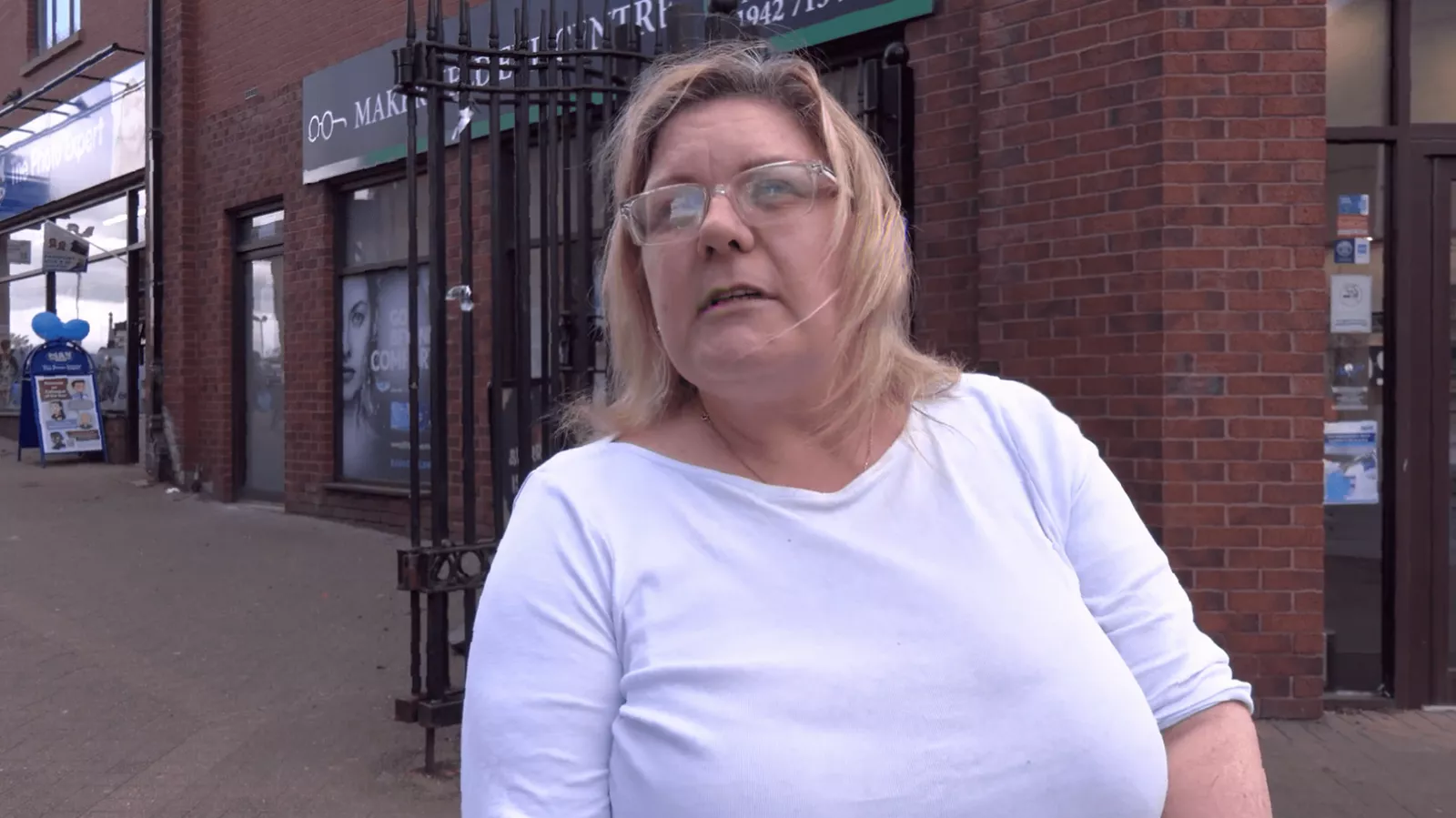
One man said: “Deliver what you say you’re going to deliver. I know sometimes you have to tweak things a little bit because it’s not always easy when you get in power, but really just be truthful.” Another added: “The honesty of British politics is an issue, because every time we get somebody in, they promise us stuff, but we never get it.”
Andy Burnham has attempted to address the immigration issue by stating he supports the government’s efforts to limit migration, describing it as a moral issue and a matter of public trust in political control over borders. But with trust in politicians at such a low ebb, and Reform UK capitalising on voter anger in an area that has shifted sharply away from Labour in recent elections, the outcome on 18 June is far from certain.