The chairman of Fuller’s has warned that “unprecedented government interference” has driven thousands of pubs out of business, as new figures show the pace of closures accelerating across Britain. Simon Emeny, who runs the 180-year-old pub group, said a decade of tax rises and regulatory changes had cost the sector 5,800 pubs, with the loss of thousands of jobs and no sign of relief.
Pub Closures Accelerate
According to the British Beer & Pub Association, two pubs are now closing every day, leaving just 45,000 across the UK – down from 60,000 in 2000. In the first three months of 2026 alone, 161 pubs shut in England, Scotland and Wales, a 26% increase in quarterly closures compared with the same period last year. Over the past five years, nearly 2,200 pubs have disappeared, reducing the total from 46,829 in 2020 to 44,656 in 2025.
The closures have cost more than 2,400 jobs in the opening quarter of this year, with half of those lost posts held by younger workers. The beer and pub sector supports more than a million jobs overall, half of which are occupied by people aged 16 to 24, the BBPA estimates.
Regional disparities are stark. Scotland recorded the heaviest fall, losing 41 pubs – a 1% drop. London and the South East suffered the most net closures in England, at 0.5%, followed by the East of England at 0.4%. The North East saw the fewest, with just 0.1% of its pubs closing. Wales was the only part of Great Britain where the number of pubs rose during the first quarter of 2026.
The wider hospitality sector, which employs 3.6 million people and contributes about £95 billion annually to the UK economy, has been hit hard. The BBPA notes that for every three pounds spent in a pub, one pound goes to the taxman, and the price of a pint has soared as costs mount.
Government Policies Under Fire
Emeny singled out the rise in employers’ National Insurance Contributions imposed by Chancellor Rachel Reeves as a “hammer blow” to the hospitality industry. He said that since the hike for young employees, youth unemployment has risen to 15%, creating “another self-inflicted problem for society that the government now needs to solve”. Fuller’s itself anticipated an extra £3 million annual labour bill as a result of the NIC increase and the National Living Wage rise.
The Employment Rights Act 2025 has added further strains, according to Emeny. He said the legislation brings “extra cost and bureaucracy”, forcing pubs that rely on part-time workers of all ages to “rethink their hiring strategy”. The Act introduces statutory sick pay from the first day of absence, makes paternity leave and unpaid parental leave day-one rights, removes the two-year qualifying period for unfair dismissal claims, and requires clearer shift notices with limitations on last-minute cancellations. Employees can also request flexible working from day one. For businesses with high volumes of part-time and younger staff, the administrative burden and potential liabilities are significant.
Beyond the NIC increase and employment rights, Emeny pointed to a broader accumulation of taxes and regulations over the past decade: business rates, alcohol duty, the apprenticeship levy, the Extended Producer Responsibility packaging tax, green energy levies and the sugar tax. In December 2021, Fuller’s closed 20 London sites indefinitely, blaming “pitiful” government support and “mixed messages” that had reduced sales by 60-80% during the Omicron wave.
The BBPA has warned that the average cost of a pint is expected to rise by about 21p as a result of these pressures. Fuller’s has already increased pint prices by approximately 15p across its bars. A pint that cost £2.41 during the 2006 World Cup in Germany now typically costs more than £5, with prices significantly higher in London.
Fuller’s Results and Strategy
Despite the challenging climate, Fuller’s reported a rise in revenue to £397 million for the year to March, up from £376 million in the prior year. However, profits slipped to £29.5 million from £33.8 million, squeezed by higher costs. Food sales rose 3.5% and drink sales climbed 5.8%.
The group, which runs around 400 pubs with a strong London presence, has invested £28 million in its existing estate, including converting The Head of the River in Oxford into a fully electric hotel. It also acquired seven new pubs for £22.5 million through the purchase of Lovely Pubs, and bought the six-strong Bel & Dragon chain to boost its bedroom count to 781 – with a target of 1,000 within two years. Around 15% of Fuller’s managed pubs now offer accommodation.
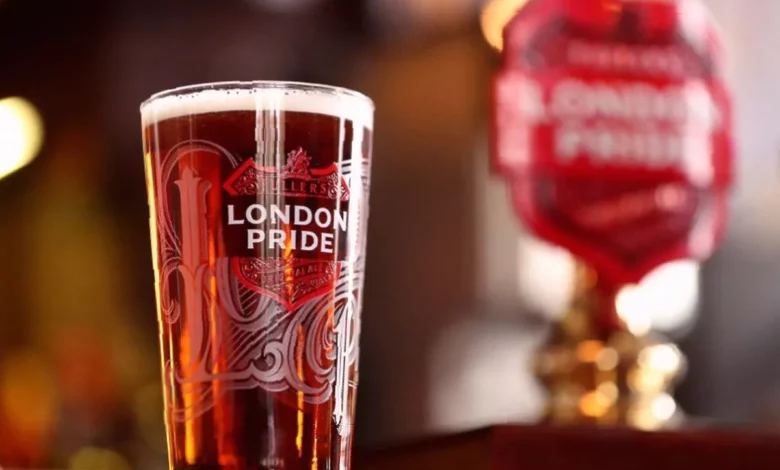
Fuller’s sold its brewing division, including the London Pride brand, to Asahi in 2019 and now operates as a pure pub operator. It has also completed an initial share buyback programme, re-acquiring 6.5 million ‘A’ shares, and launched a second buyback in March 2025.
Mark Crouch, market analyst at eToro, described the results as “a strong year” that “should leave both investors and customers in good spirits”. Shares in Fuller’s rose 54p, or 8%, to 710p on hopes of a strong summer, boosted by advance bookings for the football World Cup. Investec analyst Roberta Ciaccia said in a note that the company’s “focus on affluent clients and the quality of the estate should continue to pay off”, though she noted that “Fuller’s remains at a severe discount to historical levels”.