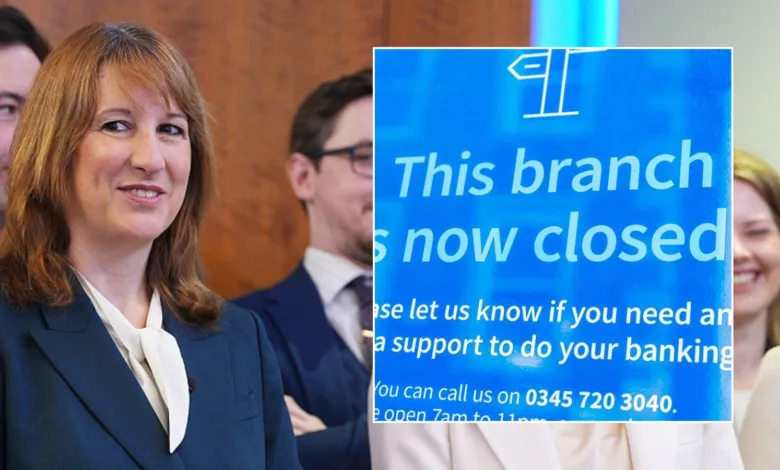
Independent inquiry to examine impact of bank branch closures on communities
An independent inquiry will investigate the impact of bank branch closures on communities across Britain, with Richard Lloyd OBE appointed to lead the investigation. The Access to Banking Review, commissioned by HM Treasury, will collect evidence on the real-world consequences of branch network reductions and determine which groups are facing the greatest difficulties accessing services. Mr Lloyd is expected to deliver his findings and recommendations by October 2026.
The initiative accompanies the Enhancing Financial Services Bill, announced in the King’s Speech, which will grant the Treasury authority to intervene rapidly should the evidence demonstrate that action on banking access is warranted. Lucy Rigby, the Economic Secretary to the Treasury, said: “Banking services are a really important part of lives and communities, and it’s critical we can all access what we need whether through local banking services or strong community-based alternatives like credit unions.” She added: “This independent Review will show us where the problems are and what further action may be required and we will move quickly to legislate where the evidence shows it is needed.”
Mr Lloyd brings substantial regulatory and consumer advocacy credentials to the role. He previously served as a non-executive director and interim chair of the Financial Conduct Authority (FCA), as well as leading Which? as its executive director. He currently chairs the Independent Parliamentary Standards Authority and played a key role in the Access to Cash Review, whose recommendations influenced subsequent legislative changes and regulatory powers, whilst encouraging industry solutions including banking hubs. Mr Lloyd said: “Banking is an essential service that every consumer and community in the UK needs. That’s why it’s so important to take stock of the impact that the big shift to digital services has already had, and to understand the need for access to in‑person banking in the future.” He welcomed the Treasury’s readiness to pursue new legislation should the review’s findings support such measures.
Bank branch closures: the scale of the shift
Retail banking habits have shifted considerably, with growing numbers of customers opting for online services, prompting financial institutions to restructure their physical presence. The number of bank and building society branches has fallen from 21,643 in 1986 to 6,870 in 2024. Between January 2015 and June 2023, approximately 6,700 bank and building society branches closed in the UK, a reduction of 68%. The trend shows no sign of abating: as of mid‑April 2026, at least 228 bank branches were scheduled for closure in 2026 alone, including 87 from Lloyds, 43 from Halifax, 40 from Santander, 30 from NatWest and 28 from Bank of Scotland.
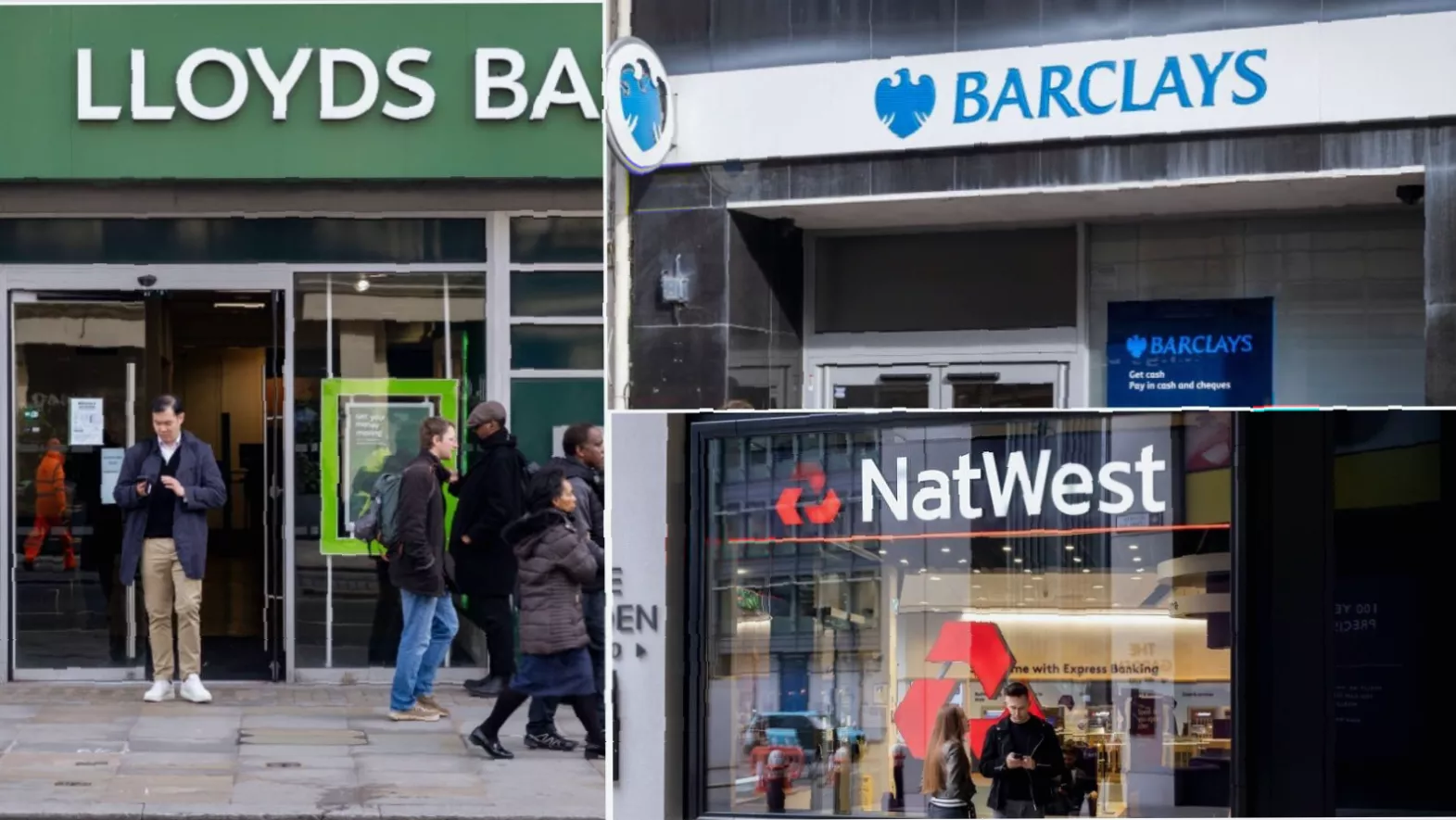
Banks cite declining footfall and the shift towards digital banking as primary reasons for closures. HSBC, for example, noted a decline in footfall of over 50% since 2017. The COVID‑19 pandemic accelerated the adoption of digital services, and banks also aim to reduce costs and increase profitability. However, this transformation may be creating obstacles for those who depend on face‑to‑face banking.
Vulnerable groups hit hardest by lost access
The closures disproportionately affect certain groups, including the elderly, disabled individuals, and those in rural areas who may have less access to or proficiency with digital banking. A Which? survey in June 2023 found that 52% of disabled people surveyed reported a negative impact from branch closures, citing difficulties with phone banking, card readers and remembering passwords. For people in rural and coastal communities, the loss of the last bank branch can mean traveling considerable distances. Residents of the Isles of Scilly, for instance, face a 44‑mile journey requiring a four‑hour round‑trip ferry costing over £130 to reach the nearest branch.
Small businesses are also affected. Around 20% of small businesses with a turnover below £2 million use branches as their primary means of banking, and closures can disrupt their operations. Research from CRIF highlights a gap in perception: 27% of senior banking professionals do not see branch closures as a major challenge, while 60% of consumers report it has become harder to speak to a real person for support. Over half of Britons (55%) believe banks now place less importance on customer service compared with five years ago.
Banking hubs and other alternatives
The government has placed its weight behind banking hubs – shared spaces where multiple banks operate – as one solution. Cash Access UK, the organisation responsible for the provision of banking hubs, has established 237 hubs and more than 140 deposit services to date. Chief executive Gareth Oakley noted that 95% of customer needs are being met at these facilities, adding: “Nearly 9 in 10 customers would recommend Hub services to family and friends.” The government has a manifesto commitment to deliver 350 banking hubs by the end of the current Parliament, with over 240 announced and more than 190 already open.

Basic banking services are also available at Post Office branches, of which there are approximately 11,700, where personal and business customers can withdraw and deposit cash. The FCA, under the Financial Services and Markets Act 2023, now holds regulatory responsibility for maintaining access to cash. Rules effective from September 2024 require banks to assess the impact of closures on withdrawal and deposit services, and the industry body LINK plays a role in recommending where banking hubs should be established.
Building societies and credit unions collectively operate more than one in three high street branches. The Building Societies Association notes that building societies are customer‑owned businesses that reinvest profits for their members and communities. As of June 2025, they accounted for 30% of UK high street branches, a significant increase from 14% in 2013. Sarah Harrison, chief executive of the Building Societies Association, highlighted that building societies and credit unions remain embedded in local communities.
Credit union reforms to expand access
The Enhancing Financial Services Bill will also advance credit union common bond reforms first announced in March, enabling these institutions to expand their membership more easily across Great Britain. Matt Bland, chief executive of All Together Money, described the reforms as “a significant step forward” that will remove barriers to growth and help credit unions reach more people with affordable financial services.