Substantial gains for Merseyside and North West from 2027 Tour de France depend on robust planning

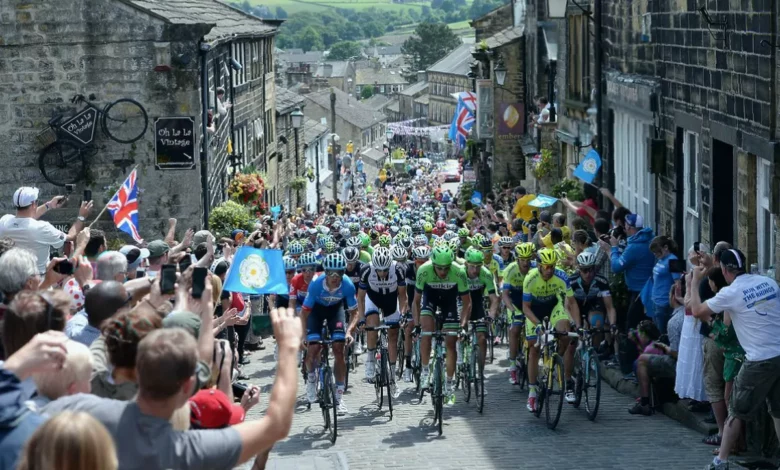
The Tour de France is predicted to deliver a significant economic windfall for the North West when the world’s greatest cycling race returns to the UK next summer, with projections pointing to a multi-million-pound boost for businesses across Merseyside, Cumbria and Lancashire.
Liverpool City Region mayor Steve Rotheram has described the event as a “huge opportunity” to support the area’s thriving £6.25 billion visitor economy, while Cumbria Combined Authority expects a visitor spend of “just under £50 million” from the two stages it will host. Independent modelling suggests Lancashire alone could see over £15 million in additional economic activity. The race completes what local leaders call a “hat-trick of global sporting events” for the region, following The Open and UEFA EURO 2028.
The 2027 Grand Départ will be the fourth time the Tour has visited Great Britain and the first time it will traverse Scotland, England and Wales within a single start weekend. It is also the first time both the men’s and women’s Tour de France races will start in the same country outside France. The three men’s stages run from Friday 2 July to Sunday 4 July 2027. Stage one (184 km) takes riders from Edinburgh to Carlisle, featuring a climb at Côte de Melrose. Stage two (223 km) begins in Keswick, passes through the Lake District, Cumbria and Lancashire – including Lancaster and Clitheroe – before a “super sprint” finish on Liverpool’s iconic waterfront. The route through Lancashire covers approximately 80 miles, with fast sections, demanding climbs at the Trough of Bowland and Rivington, and an intermediate sprint. Stage three (223 km) runs entirely within Wales, from Welshpool to Cardiff, marking the first time the men’s Tour has raced in the country and featuring climbs at Côte de Rhigos and Côte de Caerffili.
Previous experience underlines the scale of the opportunity. A review of the economic impact of the Tour’s UK Grand Départ in July 2014, published later that year, showed the race generated approximately £128 million in economic benefit for host areas – including £102 million for Yorkshire, while Cambridge, Essex and London together received £30.5 million. The stages attracted 113,000 visitors from outside the UK, contributing £33 million to the national economy. Some 4.8 million people lined the route, hotels filled months in advance, restaurants extended opening hours and shops reported surges in footfall.
Liverpool’s ability to handle such attention is already proven. Jenny France, Lloyds bank’s area director for Merseyside, pointed to the city’s successful staging of Eurovision as evidence that it knows how to deliver global spectacles. Eurovision 2023 generated a net £54.8 million for the Liverpool City Region economy during the event itself, attracted 473,000 attendees to Eurovision events and 306,000 additional visitors to the city. In the year following, repeat visitors brought an extra £11.1 million, taking the total economic impact to more than £65.9 million. The event cemented Liverpool’s status as a global cultural powerhouse, with consumer spending uplifts driven mostly by domestic tourism, particularly in bars and eateries.
Cumbria is also positioning for lasting gains. At the UK’s Real Estate Investment and Infrastructure Forum (UKREiiF) in May, Cumbria held an event – the “Sir Bradley Wiggins x Cumbria 2027 Pro Cycle Experience”, delivered in partnership with DSD Construction Limited – to promote investment opportunities in housing, clean energy and infrastructure. Council leaders highlighted projects including St Cuthbert’s Garden Village in Carlisle and the £200 million Barrow Rising regeneration programme. Cumbria Combined Authority has agreed to provide over £4 million in funding to help deliver the event. Sir Bradley Wiggins, Britain’s first Tour de France winner, said: “It’s not just about the event itself – it’s about the legacy it can leave behind. With the right focus and teamwork, Cumbria has a huge opportunity to create something that lasts well beyond 2027.” Councillor Mark Fryer, leader of Cumberland Council, added: “We’re being clear and practical about this: making the most of the Tour de France spotlight to back a string of projects, bring in investment and deliver real, long-term benefits for Cumbria.”
The Grand Départ also includes a social impact programme called “Joy”, designed to tackle inactivity, improve mental wellbeing, support communities and enhance productivity across Britain. British Cycling aims to recruit over 7,000 volunteers for the event, offering roles in route operations, spectator support and community engagement.
How businesses can best capitalise
For businesses along the route, Jenny France said preparation will be the decisive factor in turning the spotlight into profit. “There is a golden opportunity for them to capitalise on this occasion, but preparation will be key,” she said. She urged businesses to focus on payment systems, noting that spectators arriving for an experience “don’t want to be left waiting at the till”. Offering contactless and mobile payments, she said, is “one easy way of getting people onside as they look to spend their cash”.
In hospitality, France recommended blending physical services with digital tools to improve efficiency and customer experience. “You don’t want the wait for a bill causing you to miss out on the cycling action but paytech now means diners can scan a QR code, order and pay via an app, and enjoy seamless table service,” she explained. She added that this approach also helps more eco-friendly customers by reducing waste from physical menus and pen-and-paper ordering during busy periods.
Short-term funding could also play a role. France said businesses may benefit from access to capital as they look to create a more tailored experience for Tour de France spectators, allowing them to invest in extra stock, hire additional staff or develop themed experiences. “When the Tour de France rolls out in 2027, global attention will be on Liverpool. With strong planning and ambition, the city can make sure it’s a race to remember for both spectators and businesses long after the final rider crosses the finishing line,” she said.
Mayor Steve Rotheram underlined the scale of the moment: “Welcoming the finish of stage two with the backdrop of our iconic waterfront will be an unforgettable occasion – not just for cycling fans, but for everyone who lives here or comes to visit.” Sir Bradley Wiggins, reflecting on Cumbria’s role, said: “The Tour de France is the pinnacle of our sport; it shaped my career and means everything to me as a cyclist. To have it back in the UK is incredibly special. And having stages in Cumbria, well, that’s a dream.”