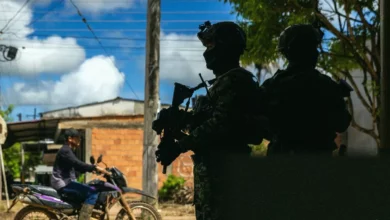
Congo Ebola crisis intensifies as hostile locals force medics from camps for the displaced

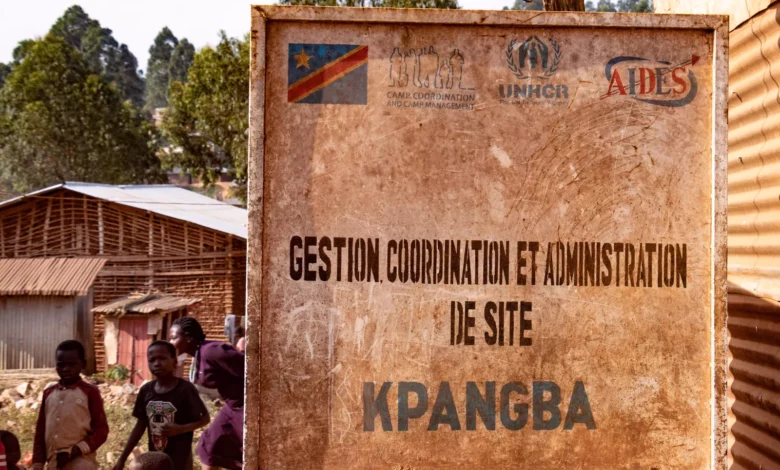
Health workers battling an Ebola outbreak in the Democratic Republic of Congo are facing fierce resistance in a displacement camp where the virus has already claimed its first victims, leaving contact tracing efforts stalled and raising fears of a wider surge.
In Kpangba, a camp housing around 30,000 people displaced by inter-ethnic violence, two women died from Ebola on 31 May and 1 June. But when teams from the provincial health ministry, the World Health Organization (WHO) and other aid agencies arrived to trace contacts and prevent further spread, angry residents drove them away. The locals denied that the two women had died from Ebola, and authorities have been unable to follow up on any contacts since. Jean-Claude Lonzama, chief doctor for the Nizi health zone, told Reuters: “Up to this day, we are not able to follow up on the contacts of these cases.”
Deep-seated mistrust fuels community opposition
The resistance in Kpangba is part of a broader pattern of hostility across the affected provinces. Since the outbreak was declared a month ago, several Ebola treatment centres have been attacked by locals, with facilities burned down in Ituri Province. The anger is driven by multiple factors. Restrictions on traditional burial practices, imposed to prevent infection, have provoked resentment. Others simply believe Ebola is a hoax, or that aid workers are only present to collect donations. Years of militia violence and insecurity in eastern DRC have eroded trust in both the government and external organisations, leaving health efforts deeply compromised.
A Congolese health ministry report seen by Reuters revealed that the first victim, a 60-year-old woman, tested positive on 30 May but had already broken quarantine and could not be located. The standoff has left health authorities operating blind. “This is also our great worry because no preventive measures have been put in place in these sites aside from a few educational messages,” Dr Lonzama said. The Nizi health zone alone contains 22 displacement camps, home to about 81,124 residents, each a potential tinderbox for rapid transmission.
The difficulties echo those of the 2018-2020 Ebola outbreak in eastern DRC, which was the first to occur in an active conflict zone and saw more than 25 health workers killed. Today, mistrust and violence against health facilities remain a defining challenge.
Outbreak statistics and response challenges
The current outbreak was officially declared on 15 May 2026, though health officials believe it may have begun months earlier, spreading undetected. It is caused by the Bundibugyo strain of the Ebola virus, for which there are no licensed treatments or vaccines. As of 12 June 2026, the DRC had reported 676 confirmed cases and 136 deaths, a case fatality rate of approximately 20.1 per cent. Ituri Province remains the epicentre, accounting for 93 per cent of cases. The virus has also spread to neighbouring Uganda, and has been detected in North Kivu and South Kivu provinces.
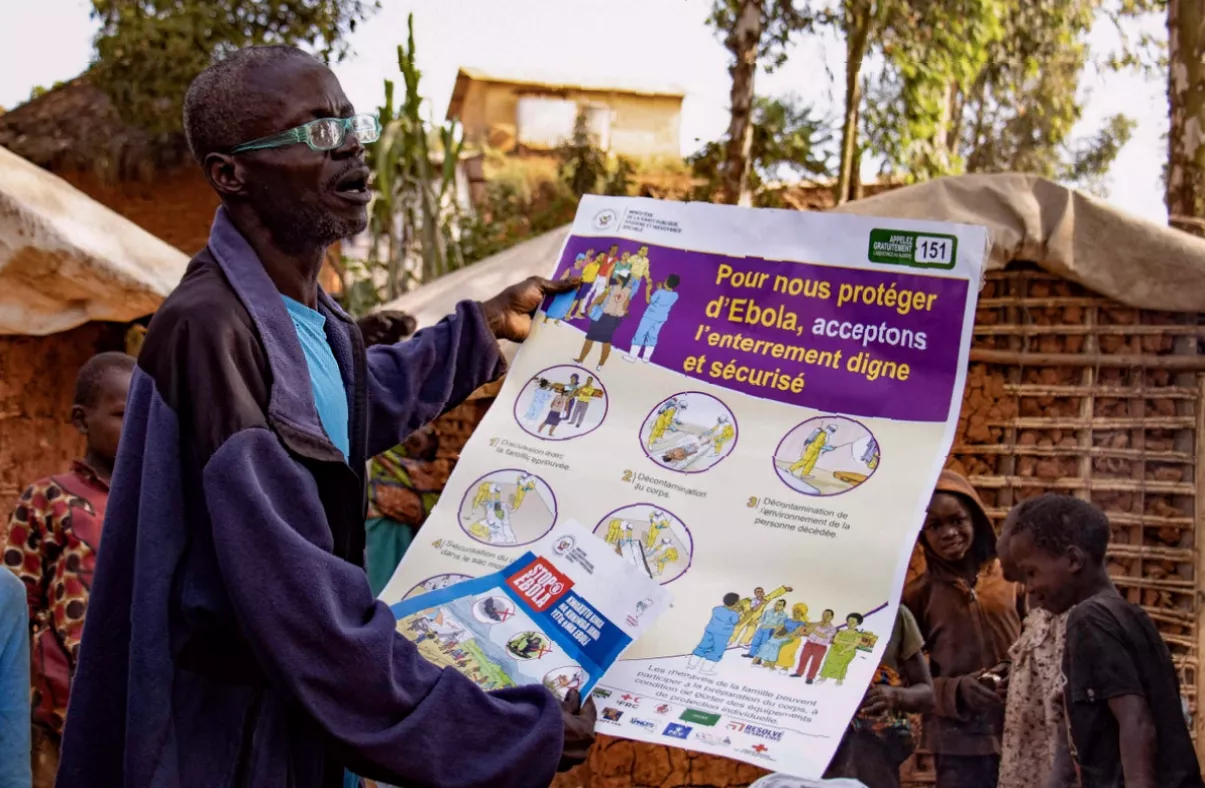
The WHO has declared the outbreak a Public Health Emergency of International Concern. Response efforts, led by the WHO and the Africa Centres for Disease Control and Prevention (Africa CDC), include strengthening surveillance, contact tracing, clinical preparedness, community engagement and cross-border coordination. Decentralised laboratories have been set up to accelerate testing. But critical shortages are hampering progress: essential medicines, personal protective equipment and vehicles for transporting bodies are all in short supply.
Despite the global risk being assessed as low, 22 countries, including the United States, have imposed travel restrictions on individuals arriving from the DRC, Uganda or South Sudan. These measures have been criticised for potentially impeding the work of health agencies on the ground.
Conflict and humanitarian crisis create a perfect storm
This Ebola outbreak is the 17th in the DRC since the virus was first identified in 1976, and is now the fourth largest on record. But it is unfolding in a region already devastated by decades of conflict involving numerous armed groups, including the M23 rebel movement. Insecurity restricts access for aid teams, disrupts surveillance and containment, and has displaced more than five million people across Ituri, North Kivu and South Kivu alone. Displacement camps are overcrowded and unsanitary — hundreds often share a single toilet and open defecation is common — creating ideal conditions for disease transmission.
The broader humanitarian crisis is immense. The DRC faces severe food insecurity, with 26.6 million people projected to experience crisis levels of hunger in 2026. The healthcare system is already strained by recurrent outbreaks of cholera, malaria, measles and mpox, making it extremely difficult to manage multiple health emergencies at once. UNICEF has expressed particular concern for children, who are vulnerable to household transmission and already suffer from malnutrition and other diseases. Past outbreaks have shown that children account for a significant share of cases and deaths, with the youngest facing the highest fatality rates.
The countrywide challenges in Kpangba are a microcosm of a much larger crisis — one where deep-rooted mistrust, conflict and a fragile health system converge, leaving health experts deeply concerned about the prospects for containment.