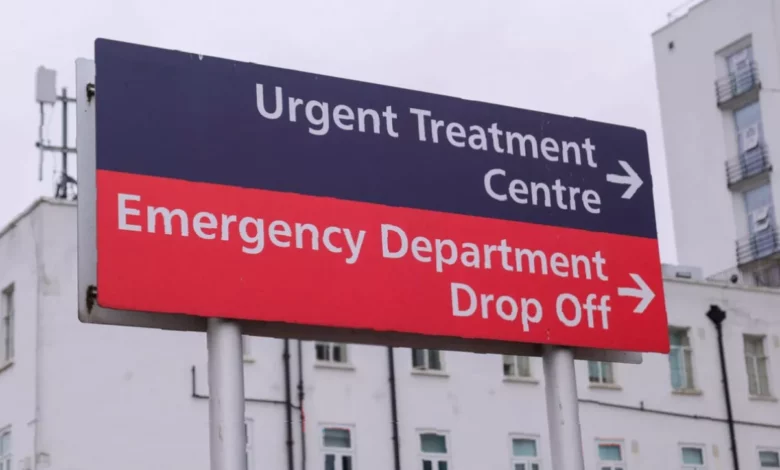
St Helier Hospital’s main building dates back to 1940 – older than the NHS itself – a fact that has fuelled fresh concerns about the impact of its ageing fabric on patient safety and dignity, according to a new inspection report from the Care Quality Commission.
Estate concerns take centre stage
The CQC’s findings, published on 11 June 2026, downgraded St Helier and the adjacent Queen Mary’s Hospital for Children from ‘Good’ to ‘Requires Improvement’. Inspectors warned that the “ageing and cramped estate” is having a direct negative effect on the care patients receive. Operating theatres were found to be cluttered, and staff are forced to use the same routes for clean and contaminated areas, raising the risk of infection. Previous assessments have described the infrastructure as “crumbling”, “dilapidated” and “not fit for 21st century healthcare”, while the maternity wing has suffered problems with temperature control and pests.
The hospital’s main building was commissioned in 1934 and opened in February 1941, during the Second World War, when it was camouflaged with dark green paint to avoid detection by German bombers. It was named after Mary Jeune, Baroness St Helier, and became part of the Epsom and St Helier University Hospitals NHS Trust in 1999. The sister site, Queen Mary’s Hospital for Children, originated from a site purchased by the Metropolitan Asylums Board in 1896 and opened as a children’s infirmary in 1909. Renamed following a visit by Queen Mary in 1915, it became the first comprehensive children’s hospital in the UK in 1963; services transferred to St Helier in 1993 and the historic building closed.
How the ageing estate harms patient care
The CQC report highlighted “significant” overcrowding that has led to widespread “corridor care” – patients being treated in hallways, on trolleys near fire exits, and behind inadequate screens. One mental health patient reportedly waited up to 160 hours in a recliner chair before being transferred to specialist care. Between June and November 2025, patients spent an average of nearly 25 hours in the emergency department at St Helier. Nationally, figures show that more than 18,600 patients endured waits of over 12 hours at Epsom and St Helier Hospitals in 2025 alone.
The cramped conditions also compromise privacy and dignity: some patients have reported using urine bottles behind flimsy screens while confidential conversations were easily overheard. During evacuations, the presence of patients in corridors poses a direct safety risk. Across England, nearly 3,000 patients each day are currently receiving care in corridors or makeshift areas – a situation described by the Royal College of Emergency Medicine as “appalling” and a “damning failure of the system”. St Helier has been identified as among the worst hospitals for corridor care in England and Wales.
Staff well-being has not been immune to the pressures of the estate. The CQC found reports of bullying and discrimination from leaders in surgery services, which could undermine morale and, in turn, safe care. While most staff felt supported by their immediate managers, some said they felt disconnected from senior leaders, particularly in the emergency departments.
Investment to address the crisis
In response to the mounting pressure, NHS London has announced a significant investment of up to £57 million to expand and overhaul St Helier’s Accident & Emergency department. The plans include a larger A&E with an improved layout, a new Urgent Treatment Centre, and expanded Same Day Emergency Care services, all designed to improve patient flow and reduce waiting times. Construction is expected to begin in spring 2027, carried out in phases to keep services running. The project is part of the broader “Building Your Future Hospitals” programme, which also involves a new Specialist Emergency Care Hospital in Sutton.
The need for modernisation is underscored by national trends. A BMA report from December 2022 described much of the UK’s healthcare estate as being in an “appalling condition”, with 43% of doctors saying the physical state of their workplaces negatively affects patient care. The New Hospital Programme, launched in 2020 to address this deterioration, has faced repeated delays; its completion has now been pushed back to 2045-46, and critics note that many of the projects are refurbishments and extensions rather than entirely new builds. Compounding the problem, the UK has one of the lowest numbers of hospital beds per capita among OECD nations, with occupancy rates frequently exceeding 90%. On average in 2025, 12,906 patients per day were medically fit for discharge but remained in hospital beds, hampering patient flow through emergency departments.
The emergency department at St Helier currently sees around 250 patients daily – far exceeding its design capacity of just 24. The £57 million investment is intended to bring the department up to a standard that matches the demands of the 21st century, but the legacy of a building that predates the NHS will not be undone overnight. The CQC’s downgrade stands as a stark reminder that bricks and mortar, however historic, cannot be allowed to compromise the care of patients.