A loophole allowed migrants deported to France under Labour’s flagship “one in, one out” treaty to re-enter Britain illegally, forcing ministers to rewrite the agreement with Paris.
The scheme, which came into effect on 6 August 2025, was designed to return small boat arrivals to France in exchange for accepting a matching number of asylum seekers from France who had not attempted an unauthorised crossing. But Home Office officials have confirmed that dozens of migrants sent back under the deal subsequently returned to the UK, often by hiding in lorries, undermining the entire premise of the arrangement.
To address the problem, the Home Office has drawn up a new official classification of migrant, known as a “Returnee Case”. According to documents seen by The Times, this category applies to individuals who have “previously been removed” under the scheme and are now being deported again. The classification was created following concerns that deported migrants were slipping back into Britain undetected, with many choosing not to alert authorities and living under the radar.
Official figures show that at least four people travelled back to the UK by lorry over a two-week period in March, following at least two others in the autumn. The precise number of “one in, one out” migrants who have re-entered the country is not known because many do not notify the authorities. There are also fears in both England and France that organised crime groups are exploiting the terms of the deal by smuggling migrants through alternative routes, including in lorries, to avoid being removed to France again.
The treaty, originally set to expire at the end of this month, has been extended by three months until October. The extension was agreed to cover the summer months in the Channel, when more crossings tend to take place. A decision on whether the scheme will be made permanent is expected after the extension period ends.
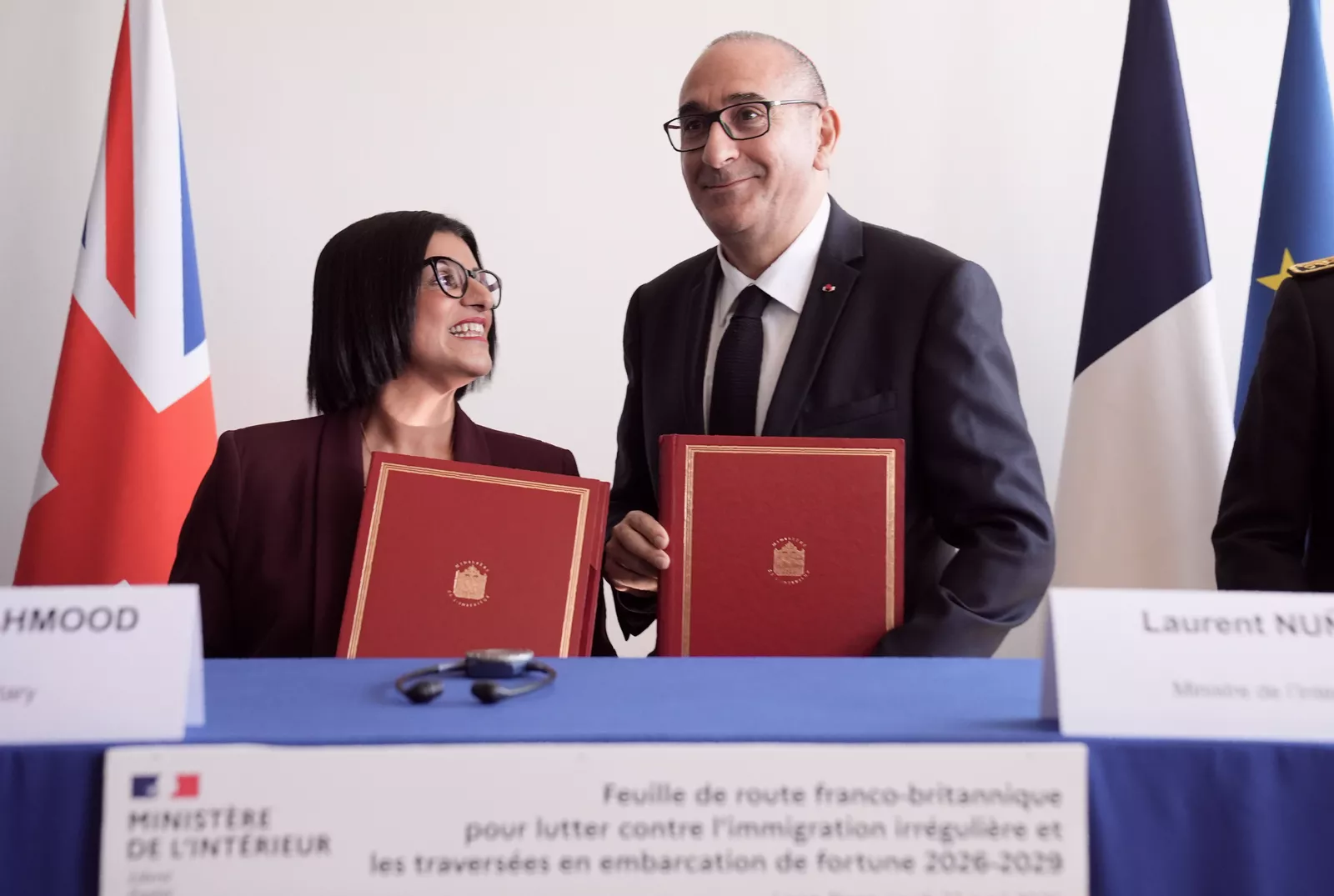
Home Secretary Shabana Mahmood has now agreed with her French counterpart, Interior Minister Laurent Nuñez, to amend the agreement so that it applies to any returning migrant who enters the UK illegally, regardless of the method they use. In a letter to Mr Nuñez, Ms Mahmood wrote: “Following our recent meeting which allowed us to observe the quality of the cooperation established under the Agreement… I wish to propose an addition to the Objectives of the Agreement, explicitly adding the objective of deterring clandestine returns to the United Kingdom by individuals previously transferred to France under the Agreement.”

The Returnee Case classification is central to closing the loophole. Under the revised system, any migrant who was previously removed to France under the treaty and is later found to have re-entered Britain illegally will now be designated a Returnee Case. This designation enables the Home Office to fast-track their removal back to France, using the same legal framework as the original returns. The change effectively extends the reach of the agreement beyond the initial single removal and creates a deterrent against attempting to come back.
Since the treaty took effect, the UK has removed 921 small boat migrants to France, representing around 3.5 per cent of all those who have arrived on small boats during the same period. In exchange, the UK has accepted 896 asylum seekers from France. Only migrants who have arrived in small boats can be returned under the deal. As of early March 2026, 377 people had been returned to France and 380 had arrived in the UK under the scheme.
A Home Office spokesman said: “Under our returns agreement with France, we have already removed more than 900 illegal migrants from British soil. This contributes to the nearly 70,000 illegal migrants who have been returned from July 2024 to March 31 2026, up 41 per cent on the 21 months prior.”
On Saturday, GB News reported that more than 10,000 migrants had crossed the Channel this year. A total of 236 small boat migrants were taken into the Kent port on Saturday alone. French authorities have said they intercepted two-thirds of all attempted migrant crossings.
Overall, the total number of migrants detected crossing the English Channel in small boats since 2018 has reached 203,354 as of 20 June 2026. In 2025, 41,472 people arrived by small boat, the second-highest annual figure on record and a 13% increase from 2024, when 36,816 people crossed. The average number of people per boat has risen from 7 in 2018 to 63 in the year ending March 2026.
The UK received 110,051 asylum applications in the year ending September 2025, making it the fifth-largest intake in Europe. In 2025, 99% of those detected arriving on small boats claimed asylum, up from 98% in 2024. Returns of small boat arrivals have increased, with 2,750 recorded in the year ending March 2026, a 16% rise from the previous year.
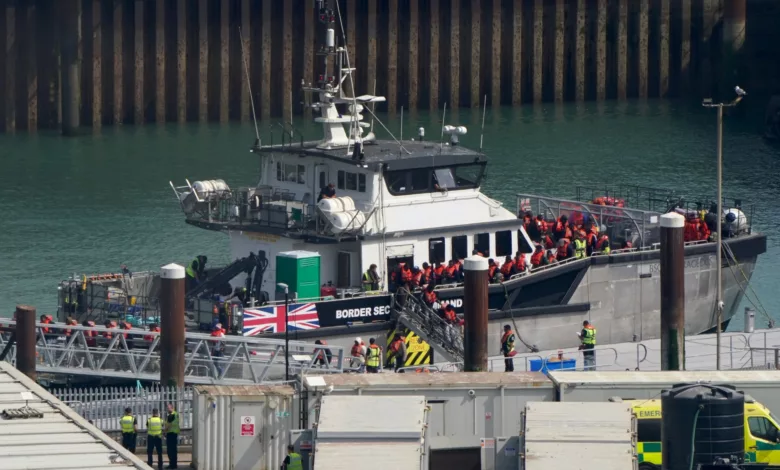
The tragedy of the crossings was underlined on Saturday when a woman was found unresponsive in a small boat intercepted by Border Force officers. Kent Police were called to the Western Docks in Dover, where the woman was pronounced dead at the scene. Border Security Command Maritime had responded to reports of a small boat entering UK waters. A Government spokesman said: “This afternoon, Border Security Command Maritime responded to a small boat that entered UK waters. On intercepting this boat, a migrant was found to be unresponsive. Despite medical assistance, we are deeply saddened to confirm that they have since died. Our thoughts are with all those affected. This latest tragedy underlines the terrible dangers of small boat crossings.”
The death follows several others in recent months. In May 2026, two women believed to be in their 20s and of Sudanese origin were found dead inside a small boat attempting to cross the Channel. Two other migrants died during a similar attempt in April 2026. In 2024, at least 82 people, including 14 children, died attempting the crossing. The Refugee Council has urged the government to improve search and rescue operations and expand safe and legal routes.
The UK has committed £662 million to France between 2026/27 and 2028/29 to strengthen operations against illegal migration, under a three-year agreement that includes deploying riot-trained police to French beaches, drones and advanced surveillance technology. The cost of an enforced return has risen from around £15,000 to nearly £49,000 in the decade to 2023/24, while voluntary returns increased from £1,000 to over £4,000. Immigration Enforcement funding rose to £833 million in the 2024/25 fiscal year, with staff numbers rising from 5,300 to 7,100.
The “one in, one out” scheme is part of Labour’s broader strategy to replace the cancelled Rwanda asylum plan and strengthen border security. However, legal challenges have emerged. A High Court judge blocked the deportation of a man under the agreement, raising questions about the policy’s future. Critics have argued the treaty may contain loopholes, particularly concerning human rights claims, which could delay or prevent deportations.
Law enforcement has also been active against smuggling operations. A London-based people-smuggling ring that used refrigerated lorry trailers to transport migrants from the UK to France has been dismantled. An Indian man was jailed for over five years for smuggling migrants from the UK to France in trucks between December 2024 and March 2026, earning an estimated £185,000. The National Crime Agency has reported a 40% increase in disruptions of immigration crime networks over the past year.