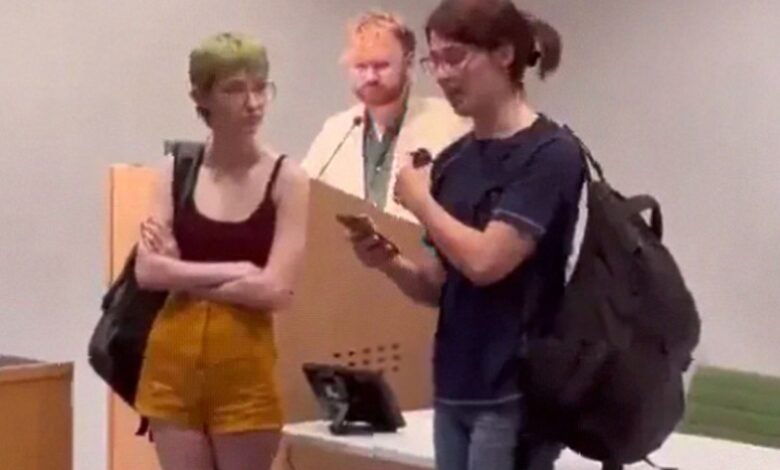
More than 100 academics have called on Oxford University to reinstate a series of gender law lectures after they were cancelled following protests by transgender activists. The group of 117 signatories, including evolutionary biologist Professor Richard Dawkins, wrote to The Times urging the university to reverse its decision and criticising the institution’s handling of the disruption.
Protests and the ‘heckler’s veto’
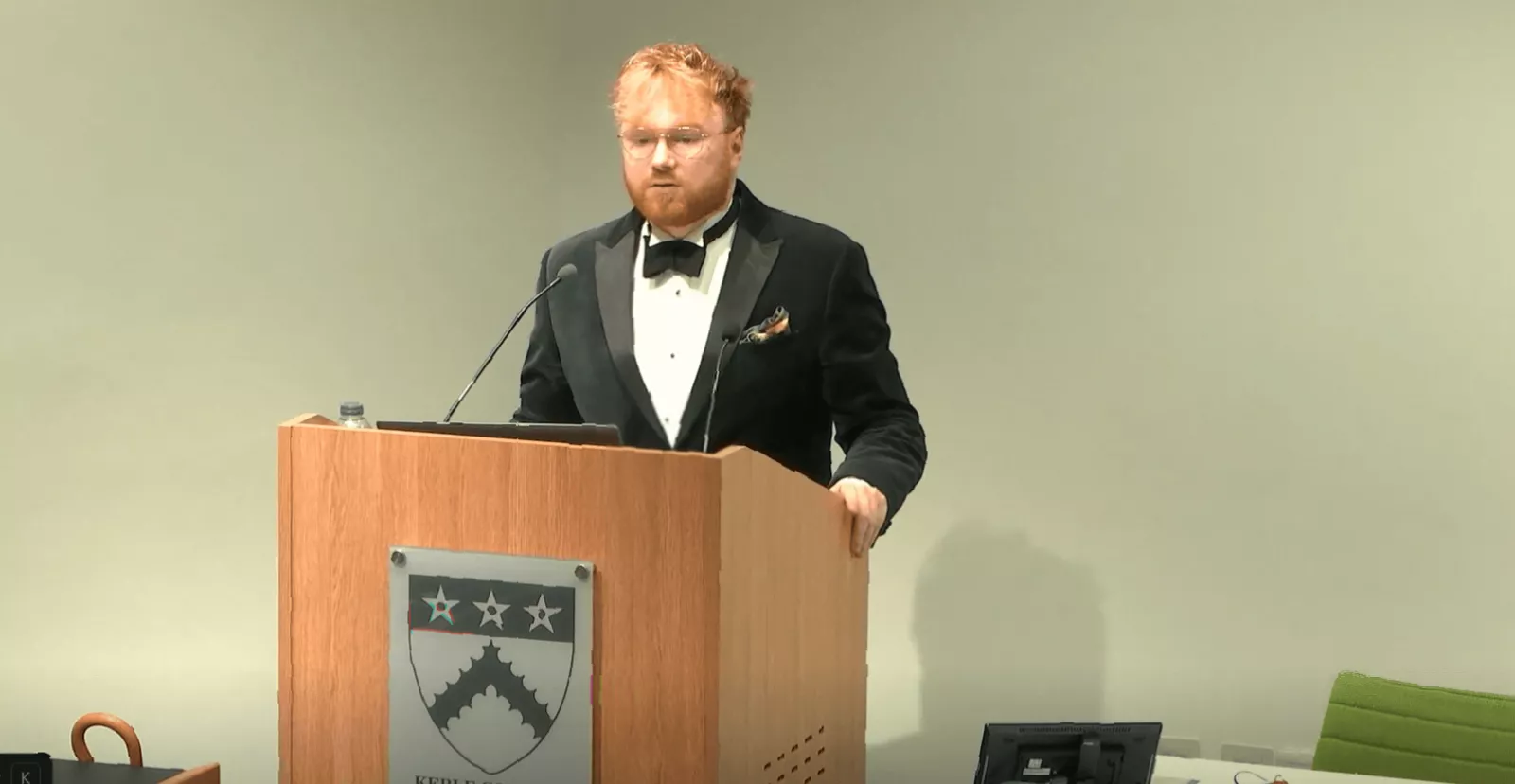
The lectures were to be delivered by Dr Michael Foran, an associate professor of law at Oxford and a fellow of Keble College, and were based on his forthcoming book Sex, Gender Identity and the Law, published by Cambridge University Press. The four-part series examined how issues of sex and gender have shaped the law, covering topics such as single-sex spaces, privacy, sport, sexual intimacy and freedom of expression. Foran’s work has previously been cited by the UK Supreme Court in a ruling that clarified the legal definition of “sex” as biological sex under the Equality Act 2010.
After the first two lectures were disrupted by protesters, Foran announced on social media that he was cancelling the remainder. He described the situation as “deeply lamentable”, saying the disruption had “undermined the academic nature of this series” and that protesters had interrupted the event for about 10 minutes. He added that students should not face “bullying or harassment” when attending academic events, and that he could not guarantee that further disruption would not occur.
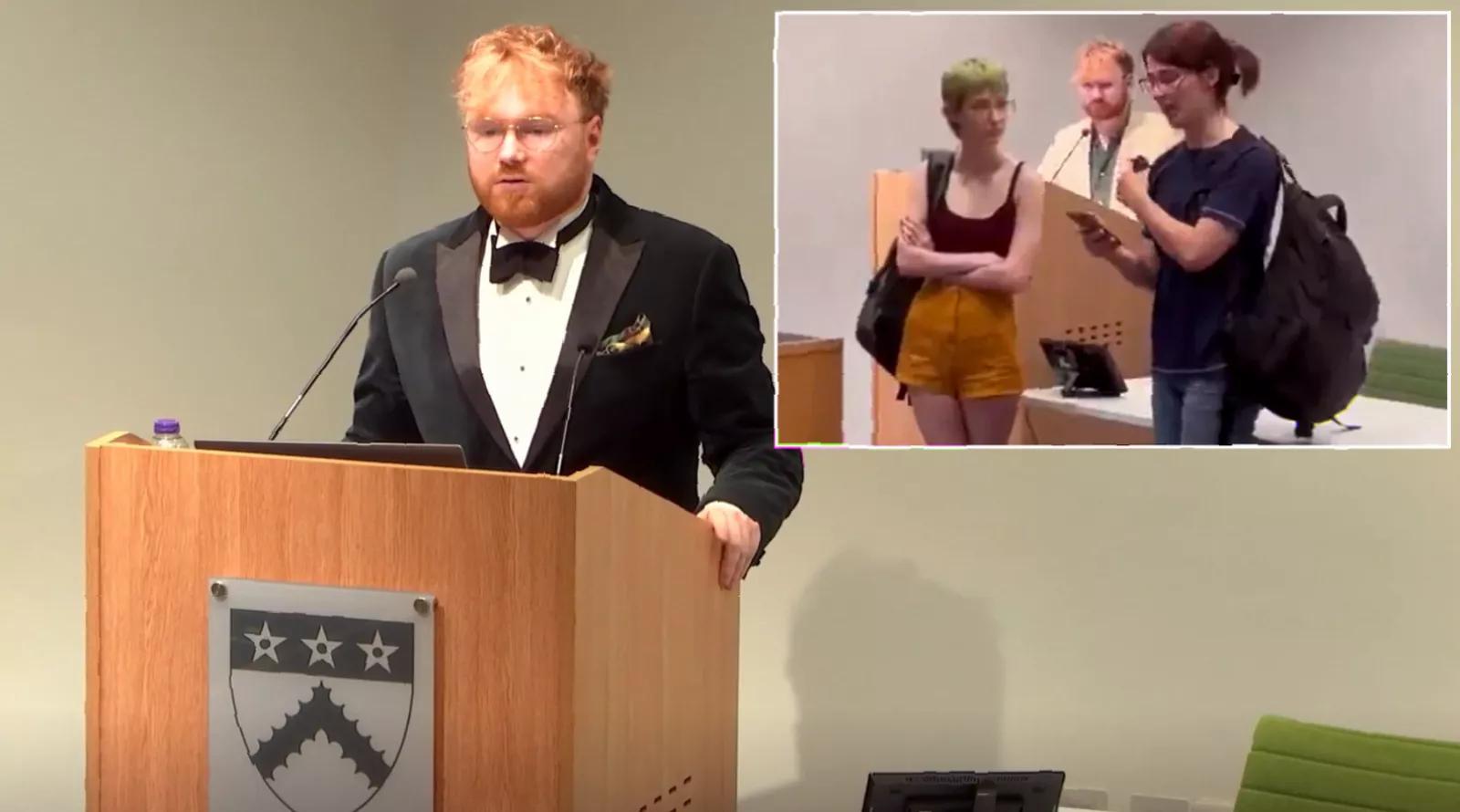
Videos of the disruption show protesters standing in front of Foran and addressing the audience, calling him a “bigot” and accusing him of “masking his transphobia behind a thin veneer of academia”. One protester urged attendees to walk out, saying “he will not be convinced by your arguments”. The protesters – understood to be students at the university, including the president of the Oxford University LGBTQ+ Society – cited Foran’s associations with organisations such as Sex Matters and the Women’s Rights Network, which they claimed work to “erode the rights of trans people”. They insisted they were acting within the bounds of free speech and had no intention of intimidating anyone, arguing that challenging Foran in a Q&A would have given him undue power as moderator. They said they “read out short statements, and left peacefully”.
The protests were given permission by Oxford University’s proctors’ office, which is responsible for approving demonstrations and ensuring they are peaceful and do not disturb the lawful exercise of freedom of speech. Despite complaints about the first protest, the office allowed the same activists to disrupt the second lecture. University sources described the protest as disruptive rather than peaceful. In a letter, the 117 academics criticised the proctors’ office for authorising and facilitating protests inside the lecture theatre and for failing to remove those causing disruption. They said videos of the incident showed members of the proctors’ office, including senior figures, present during the disruption. The academics accused the proctors of enabling a “heckler’s veto” – effectively allowing protesters to silence a speaker. They called for the lectures to be reinstated and for the proctors to receive training to ensure they understand their duties.
The incident mirrors previous controversies over academic freedom on UK campuses, including the case of Professor Kathleen Stock, who resigned from the University of Sussex in 2021 after sustained protests over her views on gender identity. Professor Nigel Biggar has also faced cancelled speaking engagements. The Higher Education (Freedom of Speech) Act 2023, intended to bolster free expression at universities, was passed against the backdrop of such disputes. A similar disruption occurred at the University of Bristol, where a professor’s lecture on sex and gender was halted, leading to potential legal action.
University’s response
An Oxford University spokesperson said freedom of speech and academic freedom were “fundamental” to the institution, while also supporting the right to lawful protest and civil disagreement. The university expressed regret that the lecture series would not be completed as planned and said it remained committed to working with Dr Foran to find a way for the remaining lectures to proceed. William Hague, the university’s chancellor, said the lectures “should go ahead”, emphasising that freedom of speech is a “fundamental academic freedom” that must be upheld alongside the right to legitimate protest. He added that many events with disagreements occur daily at Oxford and that the overall atmosphere for free debate remained strong.