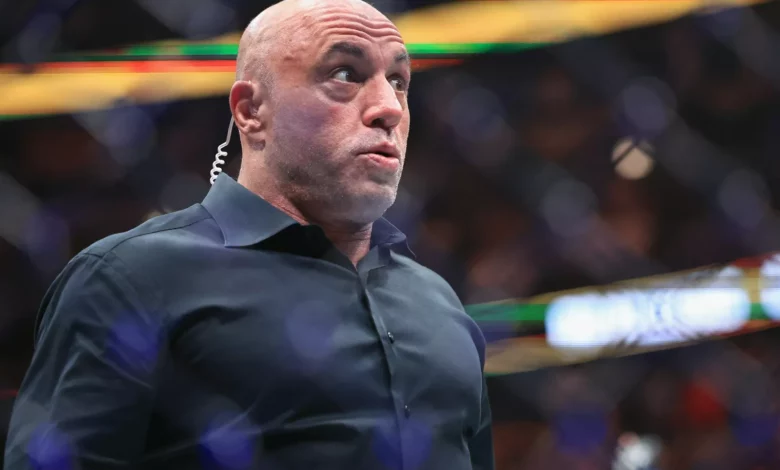
Prescriptions for the unproven cancer treatments ivermectin and benzimidazole more than doubled among cancer patients in early 2025, following actor Mel Gibson’s endorsement of the drugs on Joe Rogan’s podcast, a study published in JAMA Network Open has found.
Researchers at Virginia Tech, UCLA and the University of Michigan analysed health records for more than 68 million patients and found that in the seven months after Gibson’s appearance on The Joe Rogan Experience in January 2025, prescriptions for the drugs to patients with cancer rose 2.5 times compared with the same period in 2024. Overall prescriptions – to all patients, not just those with cancer – doubled during that window.
The spike was particularly sharp among certain groups: white patients, men, and those living in the southern United States. In the South, prescribing rates more than tripled. The study’s authors noted that these demographic and regional patterns “mirrored characteristics associated with podcast audiences”, suggesting a “selective amplification and reach of health misinformation”.
The sharpest relative increases were observed among patients aged 18 to 64, the researchers said.
Podcast claims and scientific reality
Gibson appeared on the 9 January 2025 episode of The Joe Rogan Experience, which has since garnered more than 13 million views on YouTube. During the conversation, he claimed that three friends with stage-four cancer had recovered after taking ivermectin and fenbendazole, a type of benzimidazole drug. “I don’t believe that there is anything that can afflict mankind that hasn’t got a natural cure for it,” Gibson said. Clips of the segment went viral across social media, with one clip alone reportedly attracting more than 60 million views.
Ivermectin is an FDA-approved drug for treating parasitic infections in humans and animals. Fenbendazole is not approved for human use. Preclinical studies have suggested a potential anticancer benefit, and the National Cancer Institute has announced plans for further research, but no clinical trials in humans have proven these drugs to be safe or effective cancer treatments. Experts point out that the doses required for potential anti-cancer effects in laboratory settings are often far higher than those used for parasites, and may be toxic to humans. There is also a lack of understanding about how ivermectin might interact with conventional cancer therapies or other medications.
Dangers of delaying proven treatments
The researchers said the surge in prescribing among cancer patients was “particularly concerning” because individuals facing life-threatening illness “may delay or forgo conventional treatments in favor of unproven therapies, potentially allowing their disease to progress”. Delaying evidence-based care – such as surgery, chemotherapy, radiotherapy or immunotherapy – can give tumours time to grow or spread, reducing the chances of successful treatment.
Dr Shikha Jain, an oncologist at the University of Illinois Cancer Center who was not involved in the study, told The New York Times that “there’s this perfect storm of fear, urgency, uncertainty, information overload and then this desperate need for hope”. She added: “When somebody is offering you a magic cure for something and they give anecdotal examples, it can feel very hopeful.”
The Anticancer Fund and other organisations have reported a surge in patient inquiries about repurposed drugs such as ivermectin and fenbendazole after public discussions like Gibson’s, and have stressed the need for reliance on scientific evidence. Florida has announced it will invest state research funds into evaluating ivermectin as a potential cancer treatment, citing the Rogan-Gibson podcast as a catalyst.
Influencer impact and the spread of misinformation
The study underscores the growing power of celebrity endorsements and podcast hosts in shaping health decisions, particularly for serious illnesses. A recent Pew Research Center report found that about half of US adults under 50 get health and wellness information from influencers or podcasters, many of whom lack a scientific or medical background.
The Joe Rogan Experience is one of the most popular podcasts globally, and its anything-goes ethos has repeatedly drawn controversy. During the pandemic, Rogan faced accusations of hosting guests who spread medical misinformation about Covid-19, and publicly stated he took ivermectin after contracting the virus. Spotify, which has a reported $100 million deal with Rogan, responded by adding content advisory labels and links to vetted medical information to some episodes that touched on Covid. Prominent musicians such as Neil Young and Joni Mitchell temporarily pulled their music from the platform in protest.
Michelle Rockwell of Virginia Tech told the Center for Infectious Disease Research and Policy that clinicians often find it difficult when patients “demand or ask for a medication that they really feel passionately might help”. She added: “And that’s where I think these celebrity influencers really play a big role.” The study’s authors warned that the episode is a reminder of the challenges of providing solid medical information in the age of influencers and artificial intelligence. “When somebody is offering you a magic cure for something and they give anecdotal examples, it can feel very hopeful,” Dr Jain said.