For centuries, obesity was a sign of wealth and beauty in Western art — a cultural truth that a leading endocrinologist believes could help modern doctors treat patients with greater empathy. Dr Michael Yafi, a paediatric endocrinologist at the University of Texas Health Science Center at Houston, presented this argument at the European Congress on Obesity (ECO 2026) in Istanbul, drawing on everything from prehistoric figurines to the Mona Lisa.
A sign of wealth and beauty
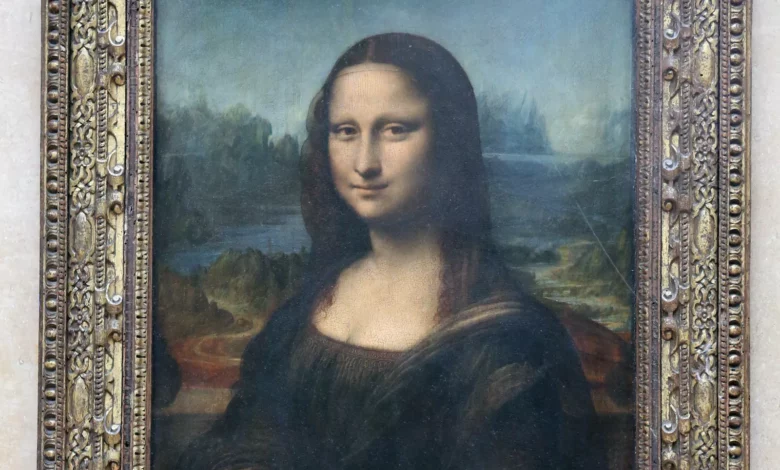
Dr Yafi points to the Venus of Willendorf, a limestone figurine estimated to be 30,000 years old, which depicts a woman with exaggerated female features — large breasts and abdomen — long interpreted as a symbol of fertility and abundance. In Greek mythology, the god of wealth (often conflated with Pluto or Ploutos) was regularly portrayed as obese. During the European Renaissance, women with excess body fat were considered models, he notes, and the Mona Lisa herself — Lisa Gherardini — is shown with excessive body fat. While some have speculated she had a lipid metabolism disorder, Dr Yafi offers a simpler explanation: “She had put on weight in pregnancy. After all, she’d had four children by this time.”
Obesity was also a marker of power. Dr Yafi highlights research from Turkey showing that 29 of the 36 Ottoman emperors who lived between 1258 and 1926 were depicted as having abdominal obesity or were reported to have it — a prevalence of 81 per cent. Elsewhere, Baroque-era composers Johann Sebastian Bach and George Frideric Handel were often painted carrying excess weight. Dr Yafi suggests this may have been linked to vision problems caused by type 2 diabetes. Historical analyses note Bach had a large abdominal circumference and likely had metabolic syndrome and diabetes; Handel also became obese, with some scholars suggesting a binge-eating disorder or lead poisoning from preserved wine.

That positive depiction of larger bodies only shifted in the second half of the 20th century, Dr Yafi explains. “This led to images of thin, often unrealistically thin, men and women being glorified and obesity being stigmatised,” he said. “Suddenly, thin people became beautiful and the women who inspired artists for centuries were no longer considered attractive.” The change coincided with medical discoveries linking saturated fats to obesity and cardiovascular disease.
The rise of the ‘GLP-1 face’
Dr Yafi also predicts that future art will capture a very different aesthetic — the gaunt faces caused by rapid weight loss from drugs such as Wegovy and Mounjaro. These GLP-1 receptor agonists, originally developed for type 2 diabetes, are now widely used for weight loss. The phenomenon, often called “Ozempic face,” involves facial deflation, hollowness, sagging skin and a prematurely aged appearance as facial fat compartments shrink rapidly. Studies have quantified an average loss of 7 per cent of midfacial volume for every 10 kg of weight lost, primarily affecting the superficial fat pads.
“People are talking about this effect, plastic surgeons are documenting it and I think that as more people use these drugs, GLP-1 face will be depicted in art,” Dr Yafi said. “I am sure that if Picasso had been alive today, he would have painted it.” The shift in body ideals — from celebrating fullness to stigmatising it — may now produce a new chapter in visual culture, he argues, one that reflects the medicalised reshaping of the human form.

Fostering physician empathy
At the heart of Dr Yafi’s presentation is a call for doctors to reconsider their own attitudes towards patients with obesity. The historical record, he says, shows that corpulence was not always viewed as a failure of self-control but as a sign of prosperity, high social status and even physical strength. “If physicians see that obesity was for centuries viewed as a positive thing, it will help them be non-judgmental and more empathic,” he explained.
That empathy, he argues, should lead to more holistic treatment. Rather than focusing solely on weight loss as a clinical target, physicians who understand the cultural and historical context of body size may be better able to build trust and address the underlying causes of a patient’s condition. “This, in turn, should allow them to treat patients more holistically and so lead to the patients achieving better results,” he said.

Dr Yafi — a former concert pianist with an active interest in art — presented his findings at the European Congress on Obesity, a significant event for professionals in the field. His background in both medicine and the arts gives him a unique vantage point. He notes that the Mona Lisa itself measures only 77 cm by 53 cm and is painted on a poplar panel; some analyses have suggested that the yellow spots around the sitter’s eyes may be xanthelasma (fat deposits) and that a lump on the hand could be a lipoma (a fatty tumour), though these interpretations remain speculative due to the painting’s age and discolouration.
The broader implication of the research is that modern medical attitudes towards weight — heavily stigmatised in Western culture — may benefit from a historical reset. By recognising that for most of human history obesity was associated with beauty, power and abundance, clinicians can approach their patients without the moral judgment that so often accompanies discussions of body weight. Dr Yafi’s message is clear: the art of the past holds lessons for the medicine of the present.