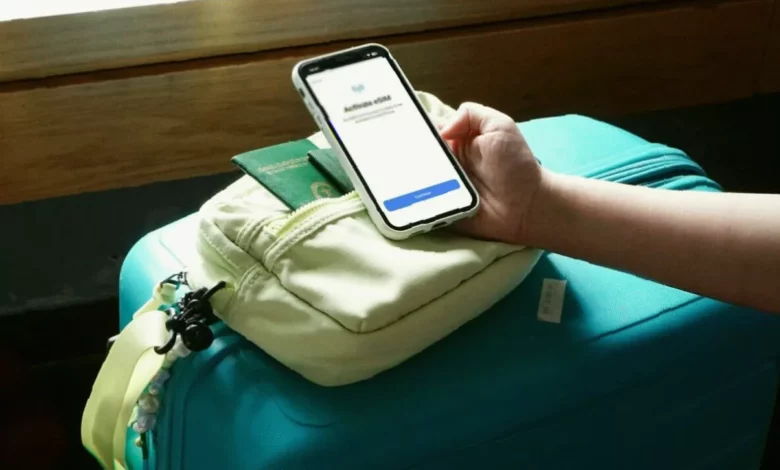
For UK holidaymakers, 2026 is shaping up to be the year technology finally takes the strain out of travel, with a wave of digital tools designed to smooth everything from trip planning to border crossings and real-time disruption management.
AI planning: from chaos to co-creation
The most transformative shift is happening long before anyone steps into an airport. AI-powered travel platforms now compare thousands of routes, monitor price fluctuations, recommend quieter travel days, and build personalised itineraries based on budget, interests, and trip length. Gone are the days of juggling multiple confirmation emails, separate tickets, and printed documents; integrated travel apps keep everything in one secure place, dramatically cutting pre-departure stress.
For travellers planning a 2026 holiday, these tools offer instant updates on gate changes, hotel bookings, insurance policies, and airport transfers. The rise of generative AI tools such as ChatGPT and Google Gemini has gone a step further, enabling travellers to act as “co-creators” of their trips. Travel advisors increasingly report clients arriving at meetings with AI-generated itineraries or specific recommendations sourced through these platforms, forcing UK tour operators and travel agents to adopt similar technology to stay competitive. AI is even being deployed to create personalised health plans for travellers, a niche application that underscores the breadth of the transformation.
As these systems become more accurate, the hours once spent organising logistics are being reclaimed for the experience itself.
Digital borders: biometrics, ETAs and phased rollouts
Border crossings are undergoing their own revolution. UK travellers heading into Europe now encounter the EU’s Entry/Exit System, which replaces manual passport stamping with biometric registration — fingerprints and facial scans — for non-EU nationals entering the Schengen Area. The system aims to improve security and enforce the 90/180-day stay rule. However, implementation has been far from seamless. Initially planned for a phased rollout ending in April 2026, full operational status has been postponed to September 2026 due to what officials have described as “teething problems” and delays that have led to significant queues and disruptions at some airports. In response, certain EU member states — Greece, Portugal, and Italy — have informally relaxed EES checks during peak seasons to manage congestion. The practical advice for UK travellers is to anticipate potential delays, prepare documentation digitally, and arrive informed about biometric registration requirements.
On the UK side, trials of a contactless border system using facial recognition are already underway, designed to allow passengers to clear immigration without presenting a physical passport. This technology is being integrated into existing e-gates, with a view to nationwide expansion. From 25 February 2026, a separate change takes effect: visitors to the UK who do not require a visa for short stays must obtain an Electronic Travel Authorisation — a digital permission to travel that carriers are required to check before boarding. British and Irish citizens, including dual nationals, are exempt from this requirement if they travel on a valid British or Irish passport.
While any major infrastructure change brings an adjustment period, the long-term goal across both the EU and UK is smoother border processing combined with improved security. Airport and transport providers’ recent guidance stresses that travellers who prepare digitally and stay informed are likely to experience fewer delays once these systems become standard.
Real-time alerts: staying ahead of disruption
Static booking confirmations no longer suffice in an era of changing weather patterns, transport strikes, and occasional IT outages. Real-time travel apps now notify passengers instantly about gate changes, cancellations, rebookings, and alternative routes, giving travellers a critical advantage when things go wrong.
Yet disruption remains a persistent threat. A survey found that 89% of corporate travellers experienced trip disruptions in 2025, with weather-related incidents on the rise and particularly affecting UK employees. Flight cancellations continue to plague specific airports: Southampton, Guernsey, and Glasgow were identified as the UK’s least reliable in 2025 based on cancellation rates. Looking ahead, UK travellers face the highest risk of summer 2026 flight cancellations across Europe, driven by critically low jet fuel stocks and supply chain disruptions. Against this backdrop, early-warning systems are being deployed at a network level, using live data to reduce operational disruption before delays spiral. Live data is becoming one of the most valuable assets in modern travel — a tool that gives passengers and operators alike a fighting chance to adapt.
Digital safety: security in a connected age
As travel becomes more digitally integrated, protecting personal information is as important as physical security. Passport managers, VPNs, app-based fraud alerts, and cautious use of public Wi-Fi all play a role. Cybersecurity experts advise travellers to update devices and apps before departure, use strong multi-factor authentication, and turn off unnecessary services such as Bluetooth and auto-connect features. Using a VPN is particularly recommended when travelling to high-risk countries. There is also a warning against public charging points, and a recommendation that travellers consider their devices compromised if they have been out of their possession, resetting all passwords upon return.
Yet technology’s relationship with travel stress is not entirely one-way. While digital tools can smooth logistics, the curated perfection of holiday posts on social media has been linked to feelings of inadequacy, envy, loneliness, and increased anxiety. A growing “digital detox” or “media fast” trend has emerged in response, though its effectiveness is mixed, with some studies linking excessive social media use to negative mental health outcomes. Similarly, despite the promise of seamless connectivity, many workers still struggle to disconnect from work during holidays, with a significant portion remaining online and available for work-related tasks. For the 2026 traveller, smart travel means not only using the right tools but also knowing when to put them down.