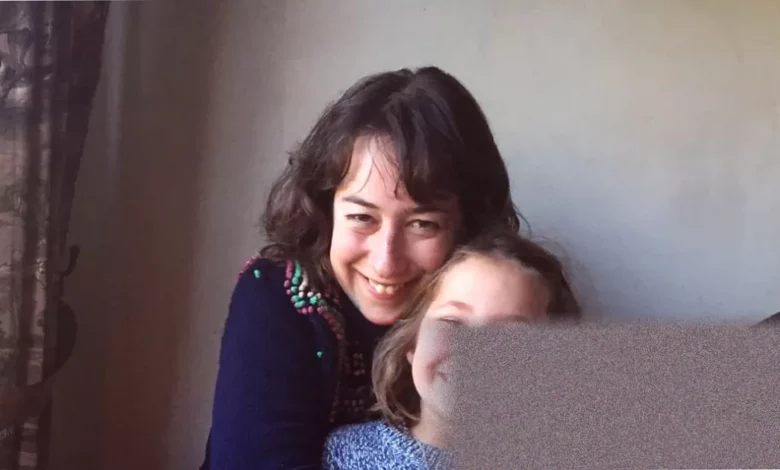
Merope Mills, a senior editor at the Guardian and the driving force behind the patient safety initiative known as Martha’s Rule, has been appointed a CBE in the King’s Birthday Honours for services to patient safety. The award recognises a campaign that began in the aftermath of the death of her 13-year-old daughter, Martha, and has since been credited with potentially saving hundreds of lives in English hospitals.
Martha’s story
Martha died in 2021 from sepsis after a laceration to her pancreas sustained in a cycling accident. The injury initially appeared minor, but she was transferred to King’s College Hospital in south London, one of three national centres for paediatric pancreatic trauma. Her condition was not thought to be life-threatening. Sepsis developed and, according to a coroner’s ruling in 2022, Martha would probably have survived had doctors identified the warning signs and moved her to intensive care earlier. Her parents, Mills and Paul Laity, said their concerns over her deteriorating health were not heeded; doctors instead tried to reassure them even as Martha’s condition worsened. Nursing staff privately acknowledged she was at risk of death.
How Martha’s Rule works
Martha’s Rule was rolled out in English NHS hospitals starting in April 2024. It has three core components. First, patients are asked at least daily about their well-being, with their responses acted upon. Second, all hospital staff have round-the-clock access to request a rapid review from a different clinical team if they believe a patient is deteriorating and their concerns are not being addressed. Third, patients, families and carers can also call a hospital-run helpline at any time and seek an immediate review from a critical care outreach team, with escalation routes clearly advertised.
The initiative was implemented in phases. The first phase covered 143 NHS acute trusts, with the programme expanding to all remaining acute trusts by April 2025. Full implementation across all acute inpatient settings is expected by 2026/27.
Mills, who campaigned alongside her husband and with the help of doctors and nurses who helped make the rule a reality, said: “This is recognition for a campaign fought not just by me but also my husband, Paul, with the help of many excellent doctors and nurses who helped make Martha’s rule a reality. They knew it was time we saw a shift in the power dynamic in hospitals, and a real chance to give patients and their families more of a voice at the time they need it most.”
Life-saving impact and early data
Martha’s Rule has already shown a significant effect. NHS England data indicates that between September 2024 and March 2026, more than 13,000 calls were made to the helplines. Of these, over 4,300 calls related to acute deterioration, and more than 2,500 resulted in changes to treatment. In another reporting period covering September 2024 to February 2026, hospital staff made 1,781 calls, with 1,080 of those identifying acute deterioration.
Speaking last month while he was still health secretary, Wes Streeting said more than 500 patients had received potentially life-saving care because of Martha’s Rule. Those patients were moved to intensive care or a specialist unit after the protocol was triggered by themselves, a loved one or a member of staff. Mills added: “NHS statistics suggest Martha’s rule may have saved more than 500 lives since 2024. Occasionally, I hear from people who used it and saw significant changes in treatment or other life-saving interventions after making a Martha’s rule call.”
Professor Sir Stephen Powis, NHS England’s national medical director, described the rule as one of the most important changes to patient care in recent years, having a “transformative effect” on how hospitals work with patients and families. The initiative is also contributing to a cultural shift within hospitals, encouraging greater openness, flattening hierarchies, and giving patients and families a more prominent voice in their care.
Challenges and future expansion
An independent evaluation has highlighted barriers to access for certain groups, including isolated individuals, young people without guardians, older adults, people with cognitive impairments, those with disabilities or poor literacy, individuals from lower socio-economic groups, and those facing language challenges or from ethnic minority backgrounds. There are also plans to extend Martha’s Rule to maternity, neonatal, emergency and mental health settings, with pilot testing already underway in some of these areas.
Mills, reflecting on the broader picture, said: “There is still so much that can be done to make our healthcare safer. The number of preventable deaths like Martha’s remains shockingly high. Apart from the devastation it causes families like ours, it costs the NHS billions in compensation and treating complications that result from mistakes.”
Streeting, in his remarks last month, said: “Martha’s parents have fought tirelessly to turn the most unimaginable grief into something that is genuinely changing how our NHS works. Merope and Paul pushed for a practical change that puts patients and families at the heart of care – and it’s one that is already having a life-saving impact. That takes extraordinary courage, and the NHS owes them an enormous debt of gratitude. The NHS is changing its culture and putting patient safety at its heart. Change isn’t always easy, but Martha’s rule is proof that it can be done.”
The King’s Birthday Honours also recognised other notable figures, including Helen Mirren, who received a Companion of Honour for her contributions to drama, and Kevin Sinfield, who was knighted for his fundraising and advocacy work for motor neurone disease. But for Mills, the honour is a tribute to a campaign rooted in personal loss and a determination to prevent similar tragedies. “The NHS is changing its culture and putting patient safety at its heart,” Streeting said. “Martha’s rule is proof that it can be done.”