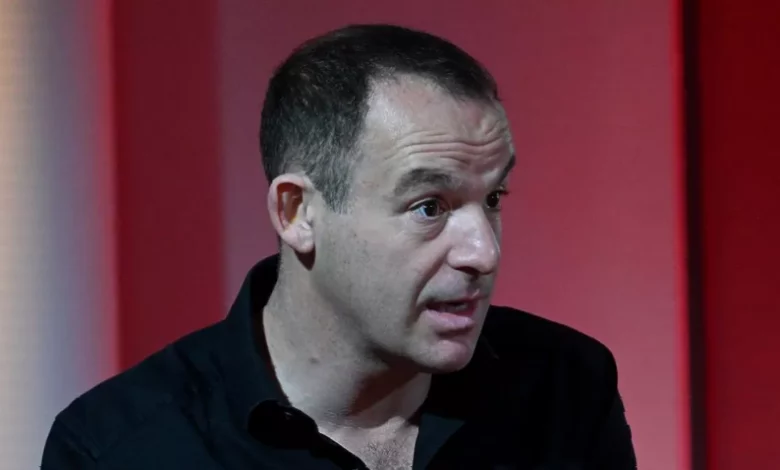
Scammers are deploying increasingly sophisticated artificial intelligence tools to create deepfake videos and fabricate celebrity news stories, using them as bait to lure victims into fraudulent “get rich quick” schemes, Martin Lewis has warned. The money-saving expert told the BBC’s Today programme that criminals are deliberately crafting dramatic, often absurd headlines designed to trigger panic, curiosity and a false sense of urgency, drawing people into clicking on links that lead to fake investment pitches and crypto scams.
Fake fights, death hoaxes and AI mimicry
Lewis highlighted one particularly outlandish example circulating online: a fabricated story claiming he had been involved in a physical fight with Nigel Farage on the set of the BBC’s Question Time. “Clearly that didn’t happen,” he said. Other fake reports have claimed he is dead or has been beaten up. “All of these are to engage you to click,” he explained. Once a user clicks through, they are often pushed towards fraudulent investment schemes or bogus cryptocurrency promotions promising huge returns.
Cybersecurity experts have repeatedly warned that AI-generated deepfakes are becoming highly realistic. Many scams now convincingly mimic BBC-style news pages, celebrity interviews, financial news alerts, banking websites and television programmes. Thames Valley Police have also issued warnings about criminals using AI to create deepfake videos and cloned voices of celebrities. Lewis himself has been the subject of AI-generated deepfake videos, which he has described as “frightening”. In one instance, a deepfake showed him apparently endorsing an Elon Musk-backed investment project.
The scale of the problem is stark. According to Action Fraud, Martin Lewis’s identity was used in 44% of all reports made to the agency in 2024 concerning adverts that fraudulently used someone else’s name. That placed him ahead of Elon Musk, whose likeness was used in 40% of such reports. Lewis has previously spoken of victims losing life-changing sums of money, with some stories leading to feelings of suicide.
To help people spot the scams, Lewis listed common phrases that should ring alarm bells: “Authorities don’t want you to know this”, “Secret loophole”, “Act now”, “Limited time”, “Get rich quick” and “Hidden investment trick”. He said any promises of urgency or conspiracy-against-you language tend to be signs of fraud. His core advice is stark: “If you see me in an advert, it’s automatically a lie.”
Personal warnings and public advice
Lewis urged people to be extremely cautious about any celebrity advert they see online, particularly on social media. “I would avoid any form of celebrity advertising to anything that is either going to make you lose a lot of weight or get rich quick,” he said. He then delivered a stronger message: “I would not trust any advert on social media. Full stop.” He warned that even experienced internet users can be caught out, given the growing sophistication of the fakes.
Long campaign and regulatory frustration
The founder of MoneySavingExpert.com has spent years pushing for tougher regulation on scam adverts. He first sued Facebook over fake and misleading adverts in 2018. The settlement included Facebook agreeing to create a new reporting button for scam ads and donating £3 million to charity. Despite that, Lewis said the problem has become “worse than ever”.
He and his team campaigned in 2023 to have scam adverts included in the Online Safety Act, which became law in October of that year. But Lewis said enforcement has moved far too slowly. He warned that under current timelines, major regulations may not fully come into effect until the end of 2027. “That means a decade of wild west flaccid regulation allowing big tech firms to take billions of pounds,” he said.
The frustration has been echoed by consumer groups. In May 2026, MoneySavingExpert.com and Which? sent a joint letter to the Prime Minister highlighting what they called the government’s “flaccid” approach to tackling online scam adverts. Lewis also seized on a comment made by the Prime Minister regarding AI-generated abuse online: “If you profit from harm and abuse, you lose the right to self-regulate.” Lewis then said: “Well, I think £4 billion a year from big tech of harm and abuse… crosses that threshold.”
Lewis is critical of social media companies, saying they are “actively profiting” from fraud and that their systems lack sufficient checks and balances because of a focus on profitability. “They want it to be easy to advertise,” he said. “And because of that, they do not put checks and balances in.” He believes tougher penalties are needed: “We have to make sure it costs them more to publish scam ads than the profit they make.” He has also called for stronger advertiser verification systems and stricter controls before adverts are allowed online. Meta, Facebook’s parent company, has introduced tools to report scam ads and uses AI and facial recognition technology to detect fraudulent content, but Lewis maintains the problem persists.
“If you see me in an advert, it’s automatically a lie.”