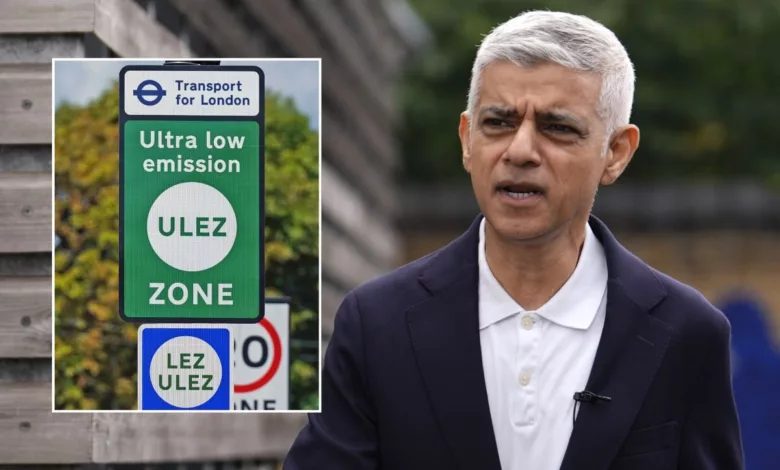
Toxic air deaths in London have dropped by 40 per cent, according to new independent analysis from Imperial College London’s Environmental Research Group. The study estimates that premature deaths attributable to air pollution fell from between 6,400 and 8,000 in 2019 to between 3,800 and 5,100 in 2024 – a reduction that Mayor Sadiq Khan has described as “overwhelming and unarguable” evidence that his clean air policies are saving lives.
The research found that nitrogen dioxide (NO₂) levels across the capital fell by 41 per cent over the same period, while fine particulate matter (PM₂.₅) – tiny particles that can penetrate deep into the lungs and cause respiratory problems – dropped by 28 per cent. In a milestone for the city, London met legal limits for NO₂ pollution for the first time in 2024, almost 200 years earlier than experts had predicted if no action had been taken. Khan said the data showed that “from childhood asthma to dementia”, a wide range of illnesses linked to air pollution are being tackled, and that expanding the Ultra Low Emission Zone (Ulez) London-wide “was even more important than we previously thought”.
How the Ulez scheme works and what it has achieved
The Ulez was first introduced in central London in April 2019. It was expanded to inner London in October 2021 and finally extended to cover all of Greater London on 29 August 2023. Now the largest clean‑air zone of its kind in the world, it covers more than 1,500 square kilometres and includes approximately 9 million people. The scheme charges drivers of non‑compliant vehicles – mainly older petrol and diesel cars, vans and motorcycles – a daily fee to enter the zone. Since its inception, compliance has soared: nearly 97 per cent of vehicles seen driving in London now meet the emission standards, up from just 39 per cent in 2017.
The specific impact on different pollution types is striking. Nitrogen oxide (NOx) emissions from cars and vans in outer London are estimated to be 13 per cent and 16 per cent lower, respectively, than they would have been without the London‑wide expansion. Particulate matter (PM₂.₅) exhaust emissions from cars and vans in outer London are 31 per cent lower. Boroughs that initially opposed the expansion – including Bexley, Havering and Sutton, which in 2024 had the highest numbers of deaths attributable to air pollution per 100,000 residents – have nevertheless seen significant reductions in harmful pollutants. The most deprived communities living near the capital’s busiest roads are seeing some of the greatest benefits, with an estimated 80 per cent reduction in the number of people exposed to illegal levels of pollution in 2023, rising to 82 per cent in outer London compared with a scenario without the Ulez.
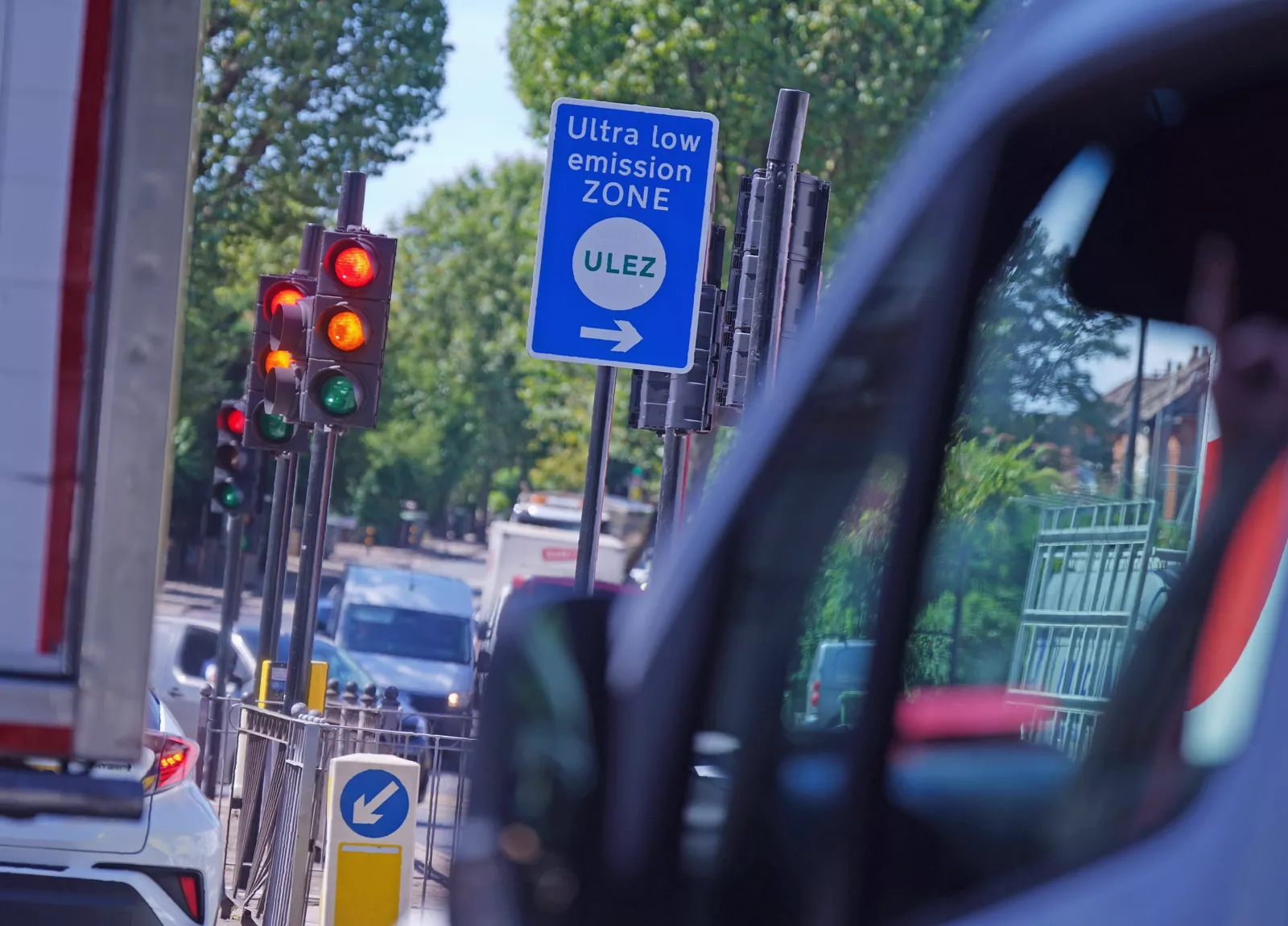
Beyond mortality, the scheme has been linked to measurable health improvements. The Ulez and the preceding Toxicity Charge are associated with a 9.3 per cent reduction in annual trends for heart‑related emergency hospital admissions and a 5.1 per cent drop in hospital admissions for all illnesses. Studies examining children’s respiratory health suggest that lung‑function growth was faster in London than in Luton – a comparator city without a similar clean‑air zone – in the four years after the Ulez was introduced, correlating with a greater decrease in residential NO₂ exposure.
The ongoing need for action
Despite the progress, Khan warned that Londoners should not become complacent. “There is still more to do,” he said, acknowledging that the decision to expand the scheme to outer London was “not easy” and met with “significant opposition”, including unsuccessful legal challenges from several outer London councils. The scheme has faced persistent criticism over its financial impact on drivers during the cost‑of‑living crisis, and a wave of vandalism targeted Ulez cameras. Transport for London’s scrappage scheme – initially worth £110 million, later increased to £210 million – closed to new applicants on 8 September 2024, having offered grants of up to £2,000 for cars and up to £11,500 for vans and minibuses.
Jemima Hartshorn, founder and director of Mums for Lungs, thanked Khan for his leadership but stressed that the job is far from finished. “Over a hundred thousand children went to hospital with breathing issues in London in 2024,” she said. “Other cities and regions are still more polluted than London now – it could not be clearer: Londoners need more action, and so does the rest of the country!” Cecilia Vaca Jones, executive director of Breathe Cities, said London shows what is possible and that lessons are being taken “around the world so that more babies, more children, more families, more communities can breathe cleaner air”. The Mayor has also invested in other clean‑air measures, including £2.7 million for indoor air‑quality filters in 200 primary schools, more than 3,000 zero‑emission buses in the Transport for London fleet, and £33 million through the Mayor’s Air Quality Fund supporting over 100 projects across the capital.
While one study using a causal framework found no statistically detectable impact on NO₂ specifically from the 2023 expansion of the Ulez – noting that PM₂.₅ levels remain above World Health Organization guidelines – the broader trend is clear. The data produced by Imperial College London shows that the estimated number of Londoners dying prematurely from toxic air has fallen by nearly half in five years, and that the scheme, for all its controversy, has transformed the air that millions breathe.