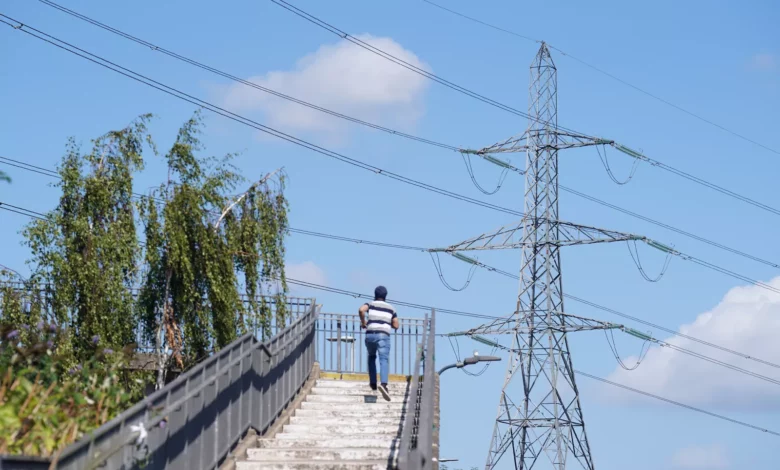
Britain is heading into winter with a forecast electricity surplus of 5.5 gigawatts (GW), enough to provide an 8.8 per cent buffer over peak demand, the National Energy System Operator (Neso) has announced. The margin, which covers the period from the end of October 2026 to the end of March 2027, is slightly below the forecast for 2025 but exceeds the surpluses seen in the years before that. Neso – the independent, publicly-owned body responsible for balancing the country’s electricity supply and demand – stressed that the system is expected to remain stable even after a year of geopolitical turbulence sparked by the conflict between the United States and Iran.
The assessment is based on detailed modelling of approximately 30,000 scenarios, each testing different combinations of weather conditions, electricity demand, renewable generation, power station availability and interconnector performance. Britain’s reserves are expected to be higher than during the 2022 energy crisis, when the surplus was smaller, largely because of the way the country sources its energy.
Why the UK is shielded from direct supply disruption
Unlike many European nations, the UK imports most of its liquefied natural gas (LNG) from the United States and draws very little from the Middle East. Only around one per cent of British gas supply comes from Qatar. This limited exposure means the effective closure of the Strait of Hormuz – a critical transit route for roughly one-fifth of the world’s oil and one-quarter of global LNG – has not directly threatened the UK’s ability to keep the lights on. Global gas markets are highly sensitive, however, and the closure has constrained about 20 per cent of global LNG flows, equivalent to roughly three per cent of world gas supply, which has pushed up wholesale prices.
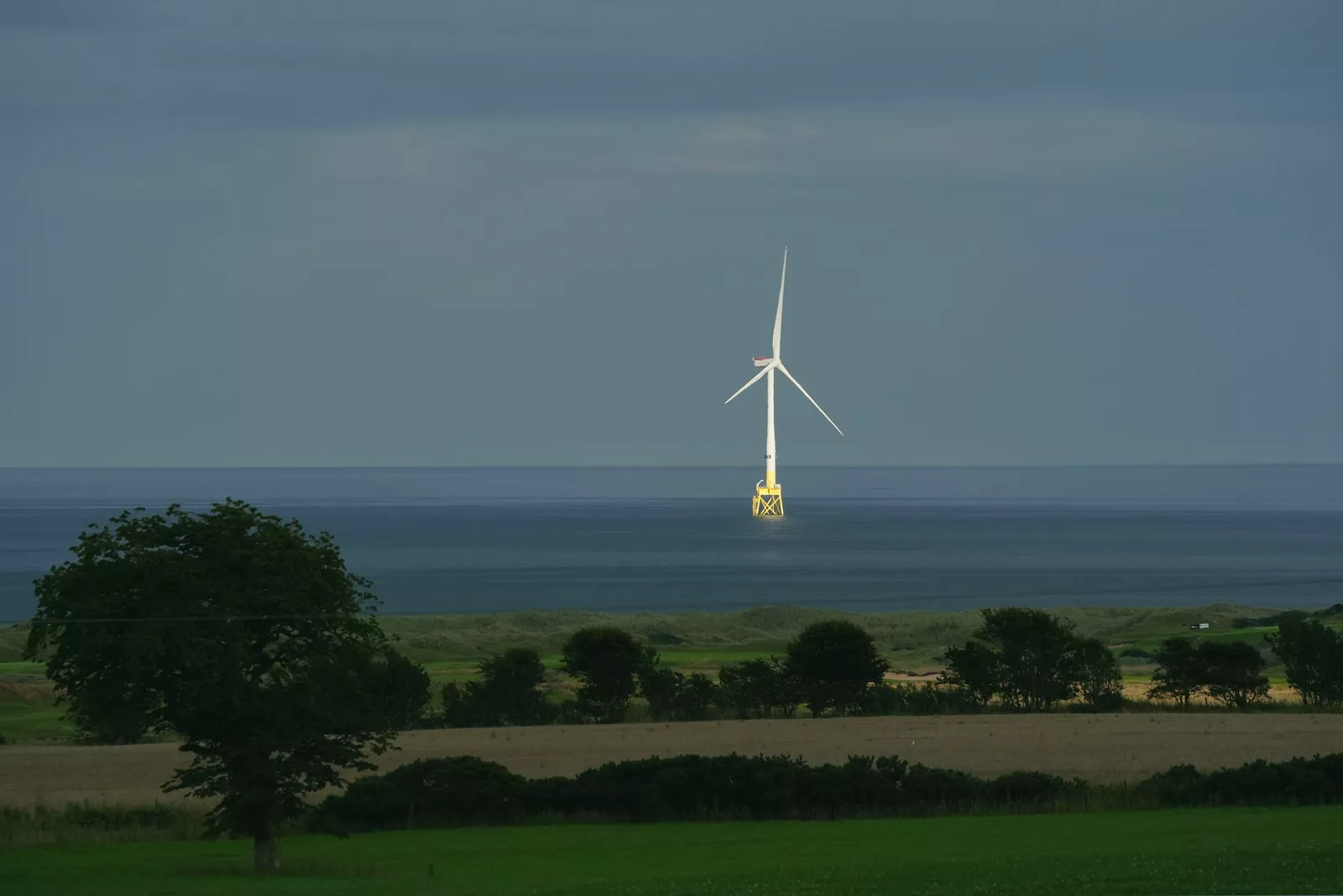
Britain also benefits from a diversified domestic mix. Electricity is generated from the North Sea, from renewable sources such as wind and solar, and from gas-fired power stations. Renewable energy accounted for approximately 48 per cent of UK electricity generation in 2025. In addition, the country has significantly expanded its grid-scale battery storage capacity: operational capacity grew by 45 per cent in 2025, with 4 GWh coming online to reach a total of 12.9 GWh – an increase of more than 500 per cent since 2020. New gas-fired “peaker” plants, designed to run only during periods of high demand or low renewable output, are also helping to meet peaks. Examples include Drax’s Hirwaun power station and Statera Energy’s Thurrock Power project, which is co-located with a battery storage system. The T-1 Capacity Market auction for winter 2026/27 secured 7.2 GW of new and existing capacity from a range of technologies.
Neso cautioned, however, that gas prices for the coming winter are more volatile than in recent years as a direct consequence of the Middle East conflict and the Strait of Hormuz closure. The main impact of the crisis is therefore being felt not in supply security but in household bills. Ofgem has announced a 13 per cent rise in the energy price cap from 1 July 2026, taking the typical annual bill for a household paying by direct debit to £1,862 – an increase of £221. For typical pay-as-you-go customers the cap will be £1,812, a rise of £215. The increase is attributed to higher wholesale gas costs driven by the hostilities. Higher prices may lead some households to use less electricity, as happened after the 2022 energy crisis following Russia’s invasion of Ukraine, but Neso said this is not currently being forecast.
Potential tight days and system notices
Despite the comfortable headline surplus, Neso has warned of the potential for “tight days” during cold snaps, when demand for heating and lighting spikes and renewable generation may fall. Such conditions – sometimes described as “dunkelflaute” or anticyclonic gloom – can simultaneously increase demand and reduce wind output, creating a challenge for grid stability. On those days, Neso may need to issue system notices, which inform the wider energy industry that supply has not matched demand and allow production to be ramped up. Early data suggest these tight days are most likely to occur in mid-to-late January 2027.
The grid operator also noted that Britain is expected to be a net importer of electricity across its interconnectors this winter, with wholesale power prices at a premium to France and broadly in line with other major European markets. The broader economic impact of the geopolitical situation has already been felt: monthly inflation averaged 0.7 per cent in March and April 2026, and the Ofgem price cap rise is expected to add a further 0.7 percentage points to the Consumer Price Index.

Deborah Petterson, director of whole energy system resilience at Neso, said: “This has been a year of turbulence in energy markets and geopolitical uncertainty, however Great Britain’s electricity system has a strong track record of reliability. This early view shows a positive picture for the months ahead, with sufficient electricity margins expected throughout winter. While we will continue to monitor global energy markets, households and businesses can be confident that electricity supplies remain secure.”