Engineers are installing a backup train detection system on the Thameslink line between London Blackfriars and Farringdon, part of a targeted push to improve reliability on one of the most intensively used sections of the UK rail network.
Dual detection system
The new setup, known as dual detection, will see axle counters fitted alongside the existing track circuits. Track circuits work by detecting the absence of a train on a section of track, while axle counters count the wheels of trains moving in and out of a section. Both feed into the signalling system to confirm whether it is safe for another train to proceed. By providing two independent methods, the system ensures that if one fails, the other can take over, allowing services to keep running at normal frequency rather than being forced into strict, slower safety conditions that reduce capacity and cause delays.
Network Rail said a small number of faults with the current single-point detection system have in recent years triggered significant disruption for passengers travelling through central London. With no diversionary routes available on the Thameslink core between London St Pancras International and Blackfriars – where up to 44 trains per hour run on just two tracks – even minor issues can quickly cascade across the network, affecting journeys as far afield as Brighton, Cambridge, Horsham and Peterborough.
The dual detection technology has already been proven north of Farringdon, where it was successfully introduced in 2020. According to Network Rail, delays caused by track circuit failures on that section have since declined, and similar improvements are anticipated for the Blackfriars–Farringdon route once the new system is in place. Work began in June 2026, with two further weekend track closures planned that month to facilitate the installation. Testing is scheduled for autumn 2026, and final commissioning is expected by the end of the year.
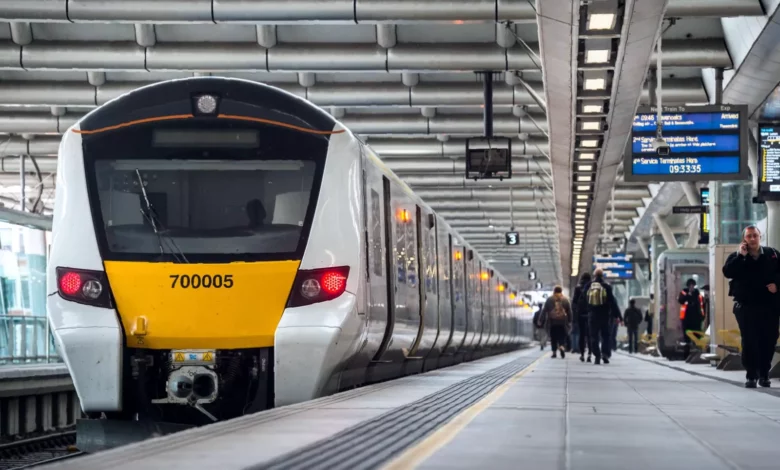
The deployment of the dual train detection system is separate from ongoing trials of a radio-based signalling system – the European Train Control System (ETCS) – which is also being upgraded as part of the railway’s wider Digital Railway strategy. The Class 700 Thameslink fleet is being upgraded to the latest ETCS specification, with the entire fleet scheduled for completion in 2026.
Power supply upgrade
Alongside the signalling work, Network Rail is replacing the 20MW electrical substation located between City Thameslink and Blackfriars station. This is the largest substation on the 750V third-rail network and operates under heavy load because of the high volume of trains passing through. The upgrade is designed to strengthen power supply resilience and reduce the risk of infrastructure-related disruptions.
Thermal imaging cameras
Following a successful trial, Network Rail and Thameslink are also exploring the permanent fitment of thermal imaging cameras to the front of Thameslink trains. The cameras will detect “heat spots” on both infrastructure and rolling stock, allowing potential faults to be identified and dealt with before they cause a failure. Similar thermal imaging technology is being trialled or implemented by other operators, including South Western Railway – through its “Hotshot” train – and South Eastern Railway, as part of a broader industry push to shift from reactive repairs to proactive fault detection.
Louise Greaves, Network Rail’s Infrastructure Director, said: “The heart of Thameslink, in central London, is one of the most critical sections of railway in the country, where even small issues can quickly have a big impact on thousands of passengers. By installing a dual detection system, upgrading the power supply and looking at the fitment of train cameras, we’re making a targeted investment in reliability and resilience. Two detection systems means that even if one fails, trains can keep moving, reducing disruption and improving journeys for passengers.”
The investment in these upgrades comes as Thameslink has recently transferred to public ownership, placing a renewed emphasis on performance and reliability. The network has experienced significant disruption in the past from a combination of asset failures and timetable introduction issues; a notable incident in June 2026 involving a collision between two East Midlands Railway trains near Bedford caused major knock-on delays for both East Midlands Railway and Thameslink services, highlighting the fragility of the corridor. Jenny Saunders, Thameslink’s Customer Service Director, said the upgrades are a crucial step towards reducing delays and providing a more consistent, dependable service, and advised passengers to check their travel plans, especially during planned weekend closures.