A young teacher collapsed and died suddenly during a routine run after suffering a cardiac arrest from a previously undiagnosed heart condition, a tragedy her family later discovered is far more common than many realise.
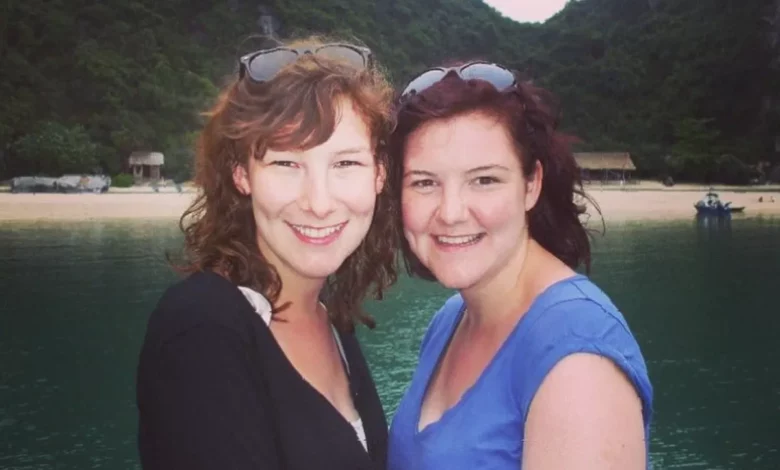
Claire Taylor, 27, was living in Nottingham with her fiancé, Paul Betts, planning their wedding and preparing to begin specialist training as a special educational needs teacher. On the afternoon of 26 August 2016, she went for a run to clear her head, as was her habit, but collapsed in the street. Despite the efforts of people in a nearby home who rushed to help and the swift arrival of an ambulance, she could not be saved.
Her sister, Katie Taylor-Rossall, was due to travel to Nottingham that bank holiday weekend to try on bridesmaid dresses for the wedding when she received the devastating call from her parents. “It was just a complete cardiac arrest on the street, completely out of the blue,” she said. Claire, originally from Liverpool, had experienced some heart palpitations in the months before her death but was otherwise fit and healthy, with her family stating they were told there were no signs pointing to her being at risk.
The search for answers
The family were left grappling with a profound loss and an alarming mystery. “It’s terrifying when somebody dies, and you don’t know what it is or whether you could be affected as well,” Katie said. They later learned through a post-mortem that Claire had died from sudden arrhythmogenic death syndrome (Sads).
This condition, which claims around 500 lives in the UK each year, is diagnosed when a person dies suddenly from a cardiac arrest with no obvious structural cause found during examination. It points to a problem with the heart’s electrical system, an arrhythmia, and is the most frequent cause of death in individuals under 35. Underlying causes are frequently hereditary, stemming from genetic conditions like Long QT Syndrome or Brugada Syndrome, which can cause the heart to beat erratically. Inherited cardiovascular conditions are estimated to affect about 1% of the UK population.
While Sads often strikes with no warning, potential precursors can include palpitations, dizziness, or fainting. “How scary it was, my sister had just collapsed and died with no signs and symptoms,” Katie said. The family worked with the charity Cardiac Risk in the Young (CRY) to investigate further and to be screened themselves. “We still don’t really know why this happened to Claire,” Katie noted. “But we know that it isn’t carried by my parents or myself – the signs and symptoms.”
A charity’s mission and a sister’s pledge
CRY states that at least 12 young people aged 35 and under die every week in the UK from undiagnosed heart conditions, with an estimated 80% of these deaths occurring with no prior symptoms. The charity works to reduce young sudden cardiac death through awareness, screening, research, and bereavement support. It has screened over 130,000 young people aged 14-35 and supports over 1,000 bereaved families.
Now, a decade after Claire’s death, Katie, who lives in Preston and works for the NHS, is undertaking an extraordinary challenge to raise funds and awareness. She aims to swim 24 miles across Coniston, Ullswater, and Windermere in the Lake District – a swimming ultramarathon – with the goal of raising £10,000 for CRY in her sister’s memory. Friends and family are also taking part in challenges to help reach the target.
“It is going towards further research and towards putting on more screenings so that we can prevent this from happening to anybody else,” Katie said. She emphasised the widespread impact of these hidden conditions: “There are going to be thousands of people across the nation that know somebody, or know somebody who knows somebody who has suffered in this way, but it is preventable.”
Her motivation is rooted in turning profound grief into purpose. “We can’t bring Claire back, but we can prevent this happening to somebody else,” she said. “If we can prevent a single family going through what we’ve gone through, then that’s what it’s all about at the end of the day, isn’t it?”