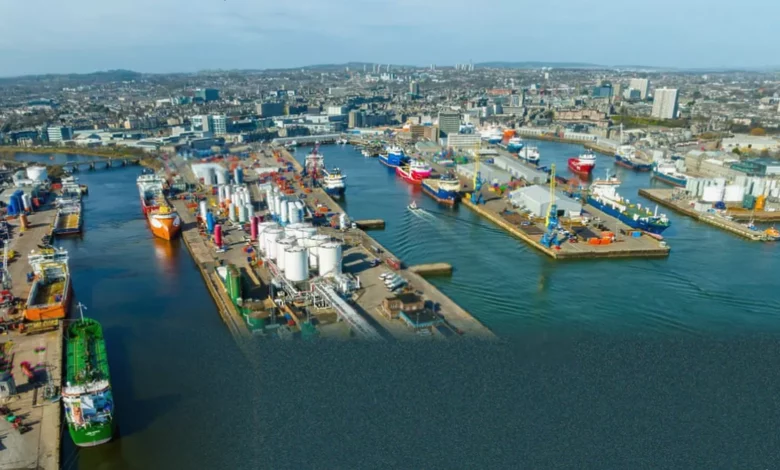
Aberdeen South’s by-election, triggered by the resignation of the SNP’s former Westminster leader Stephen Flynn after his election to Holyrood, has become a crucial test for North Sea oil politics. The contest, scheduled for 18 June 2026, is being framed by the Scottish Conservatives and Reform UK as a local referendum on whether to revive oil and gas production beyond limits set by Westminster. Reform UK has explicitly called for the extraction of “every last drop” of oil and gas, demanding new drilling consents, a reversal of the ban on North Sea drilling, and support for fracking — a position funded by more than £24 million in donations from individuals and entities with financial interests in fossil fuels, accounting for over two-thirds of the party’s income.
Oil politics at the forefront
The SNP, committed to net zero alongside Labour, has equivocated on calls for increased drilling in response to the Middle East crisis. First Minister John Swinney is pushing for greater Holyrood control over energy policy, reviving the 1970s slogan “Scotland’s oil” for the renewable era. He argues that Westminster’s grip on energy has led to a “rip-off”, with billions syphoned from the North Sea. The Scottish Conservatives, however, have branded Swinney’s proposal “calamitous”, while Scottish Labour rejects devolution, favouring a managed just transition within an integrated UK energy market. The contest is further complicated by the conviction of Nicola Sturgeon’s estranged husband, Peter Murrell, who admitted embezzling £400,000 of SNP funds for a motorhome, luxury goods and a campervan. Sturgeon has said she had no knowledge of the purchases and was cleared of wrongdoing, but the scandal has raised questions about transparency inside the party. Labour, which finished second in Aberdeen South in the 2024 general election thanks largely to anti-Tory tactical voting, is not expected to mount a strong challenge this time. The candidates include SNP’s Richard Thomson (a former MP for Gordon), Conservative MSP Douglas Lumsden, Labour’s Nurul Hoque Ali, Reform UK’s Jo Hart (an ex-midwife from Inverurie), Scottish Green Jorg Shelton-Eckstein, Liberal Democrat Mel Sullivan, and David Ballantine for the Alliance for Democracy and Freedom.
Economic and environmental stakes
The battle over energy policy is taking place against a backdrop of steep decline in Aberdeen’s traditional oil and gas workforce. Figures from Offshore Energies UK show direct and indirect employment in Scotland’s oil and gas sector fell by 51 per cent between 2014 and 2023, from 121,000 to approximately 74,100 jobs. The Energy Transition Institute at Robert Gordon University estimates that UK-wide oil and gas employment dropped by 70,000 to 115,000 over the past decade. In the same period, 39,000 clean-energy jobs have been created. The city, once proud to call itself the oil capital of Europe, now faces a stark choice between a revived fossil-fuel industry and a future as a clean-energy hub. Soaring energy prices and job losses have handed the Conservative leader, Kemi Badenoch, a potential morale-boosting victory on SNP turf. Reform UK’s “drill, baby, drill” hostility to climate action may be too extreme for voters who recognise that long-term prosperity depends on the transition, but anxiety runs deep that communities will not be protected from the kind of painful deindustrialisation seen in the 1980s. The geopolitical context sharpens the debate: the conflict in Iran, attributed to Donald Trump, and the closure of the Strait of Hormuz have exposed the UK’s continuing vulnerability to fossil-fuel-related energy shocks, underscoring the practical benefits of moving to a green economy.
Implications for the energy transition
Sir Keir Starmer announced two years ago that the government’s new state-owned company, GB Energy, would be located in Aberdeen, pledging it would “kickstart a UK-wide clean-energy revolution”. There is popular support in Scotland for that ambition, but also apprehension that the transition will not be fast or fair enough. The government, the original article argued, should treat the revived debate about North Sea oil as a warning, dedicating greater resources to ensuring a more equitable shift. The by-election coincides with the Makerfield contest, where Labour’s Andy Burnham is seeking to advance his leadership ambitions. Makerfield will draw most media attention, but Aberdeen South’s result could reverberate as a wake-up call for Westminster, especially with a general election on the horizon in which the right is expected to portray net zero as an unsustainable economic burden. Voters in Aberdeen South will need to show accepted photographic ID at polling stations, a requirement under the Elections Act that does not apply to Scottish Parliament or local government elections. The outcome on 18 June will show whether the oil-and-gas revival message can override the economic and environmental arguments for transition — and whether the SNP’s hold on a constituency it has won in three consecutive elections has finally been broken.