Seven people have died in open water during the recent heatwave, police and emergency services have confirmed, as the body of a 15-year-old boy was recovered from a reservoir in Greater Manchester.
Greater Manchester Police were called to reports of a teenager getting into difficulty near Cowbury Reservoir in Stalybridge at around 6.30pm on Saturday. His body was recovered later that evening. Chief Inspector Helen Baxter described the events as “nothing short of devastating” and said there were no suspicious circumstances. A file is being prepared for the coroner.
“We are confident that there are no suspicious circumstances and that this is such a sad reminder of the dangers of entering open water,” she said. “We remind the public to please avoid being tempted to cool off in reservoirs, rivers, canals or ponds. We all want to enjoy the warm weather; please make sure you do so in a safe way.”
The death at Cowbury Reservoir brings the total number of open water fatalities during the current hot spell to at least seven. The other victims include Brody Leach, 22, who died in the River Severn in Shrewsbury on Saturday morning; a 15-year-old boy who died at Testwood Lakes near Southampton; a 69-year-old man who died in Clacton on Friday; a 50-year-old man at Aberavon beach in Wales; a teenage boy in a lake in Syston, Leicestershire; and a woman whose body was recovered from a pool in Sandwell Valley Country Park. The latest deaths follow a period of hot weather in May during which at least 15 people, including several children, died in water-related incidents.
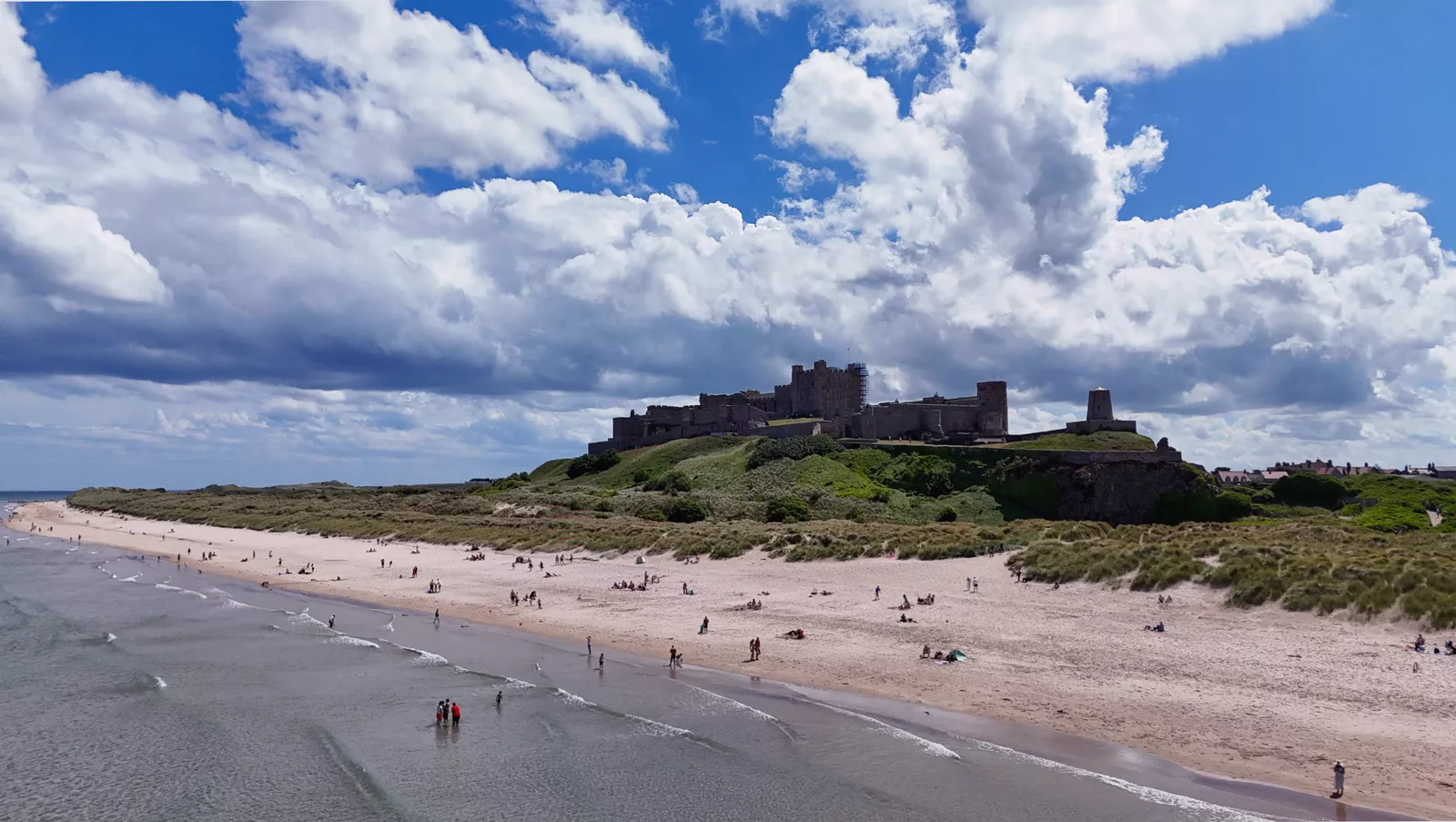
Dangers of open water during hot weather
Safety experts and organisations including the RNLI have repeatedly warned that the risk of drowning rises sharply when people seek to cool off in open water during hot weather. Even when air temperatures climb above 30°C, reservoirs, rivers and lakes remain dangerously cold. The sudden immersion triggers cold water shock – an involuntary gasp reflex and rapid breathing that can cause panic, inhalation of water and drowning, regardless of a person’s swimming ability. The RNLI stresses that the water temperature can be cold enough to cause cold water shock even on the hottest days, and that many victims are strong swimmers who are caught off guard by the body’s physiological response.
The warnings come after the heatwave smashed the long-standing June temperature record, which dated back to the summer of 1976, by more than 1°C. The provisional peak of 37.3°C was recorded in Santon Downham, Suffolk, on Friday, with Saturday reaching 32.3°C in the same location. The heatwave was driven by a “heat-dome” – an area of high pressure that stalls over a region and traps heat – settling over western Europe and bringing extreme conditions across the continent.
Scientists have warned that the heatwave would have been virtually impossible 50 years ago, with human-driven climate change fuelling more intense and frequent extreme heat events. The incidence of high summer temperatures in the UK is already 10‑25% higher than it would be without climate change, and projections suggest very hot summers could become 50% more likely by 2050, with days exceeding 40°C possible every three to four years by 2100 under a high emissions scenario.

End of the heatwave – for now
The last Met Office warning for extreme heat finished at 9am on Sunday as the heatwave draws to a close. Temperatures are expected to drop by around 5°C or 6°C, producing highs of 25°C to 26°C on the eastern coast and mid‑to‑low 20s elsewhere. Met Office meteorologist Liam Eslick said: “We are starting to see some fresh air come in over the next couple of days.” A band of cloud and patchy rain in the north will push the humidity out towards the east on Sunday afternoon. It will be a “bright sunny day for most people and it will actually feel like a typical summer’s day” and “a lot more comfortable compared to what we saw at the end of last week”.
However, the relief may be short‑lived. Forecasts suggest a potential return of hot weather in southern England from around 7 July, with temperatures possibly reaching 32°C in the southeast and up to 36°C in London.
Wider impacts of the extreme heat
The heatwave placed severe strain on public services. The London Ambulance Service reported its busiest day on record, responding to 688 category‑1 emergencies on Friday alone. Several hospitals declared critical incidents, with University Hospital Southampton forced to cancel a number of planned operations and outpatient appointments. Hundreds of schools and nurseries were forced to close, and a hosepipe ban was brought in for Kent and south‑east England amid surging demand.
Heat and humidity also caused thunderstorms to develop on Saturday, contributing to flight disruption. A total of 484 inbound and outbound flights were delayed across Gatwick and Heathrow airports, according to the FlightAware tracker. In Kent, Kent Fire and Rescue Service responded to three house fires caused by lightning strikes early on Saturday morning.
Health chiefs flagged the impact of the conditions, warning that extreme heat poses a serious risk, particularly for people with heart and lung conditions. Elevated humidity, as seen in the current spell, reduces the body’s ability to cool itself, making the heat more oppressive. Warnings have also been issued that UK infrastructure is “built for a climate that no longer exists”, with railways and roads not designed for prolonged high temperatures and older buildings poorly adapted to cope, leading to overheating.