In an unusual industrial dispute, London Underground drivers are set to walk out in a series of strikes over the coming months – in opposition to the introduction of a four-day working week. The Rail, Maritime and Transport (RMT) union has announced six 24-hour strikes, starting in March, plunging Tube services into uncertainty as it rejects a deal that its sister union, Aslef, has already accepted.
The Four-Day Week at the Heart of the Row
The core of the conflict is a proposal from Transport for London (TfL) to move to a four-day week for drivers. The union has long sought a shorter working week, but the RMT argues TfL’s plan is fatally flawed. To keep the change cost-neutral, the proposal involves compressing a driver’s existing contractual hours into four longer days, rather than reducing them.
This would see daily shift lengths increase by 48 minutes to eight and a half hours. While the plan includes making the 30-minute meal break paid for the first time, the RMT says the longer days lead to “unacceptable working time arrangements” and serious concerns over driver fatigue and safety. The union has raised repeated alarms about exhausted drivers, a historical issue in previous disputes, and believes the changes will damage work-life balance.
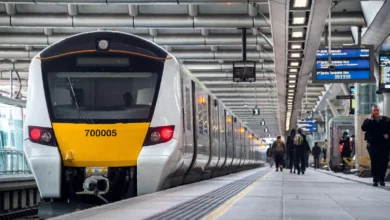
TfL, however, insists the changes are voluntary and that drivers who wish to remain on a five-day week pattern can do so. The transport body states the move will improve reliability, flexibility, and efficiency without additional cost, and has called the threatened strikes “completely unnecessary.” The four-day week model is already in operation on the London Overground and Elizabeth line.
A Union Divided
The dispute reveals a stark divide between the two main rail unions. While the RMT, which represents approximately half of all Tube drivers – around 1,800 members in this dispute – is preparing for action, Aslef has accepted the proposal. Aslef members have voted in favour, viewing the guaranteed extra day off each week as a major gain. The union has pointedly remarked that this is the first time a union has called a strike to *oppose* a shorter working week.
The RMT’s ballot showed around 91% of those who voted backed strike action, though this represented 60% of all eligible RMT members involved. Eddie Dempsey, the RMT General Secretary, said: “London Underground is trying to force through major changes to working patterns that have already been rejected by our members.” He added that despite months of talks, “no satisfactory outcome has been reached,” but left the door open, stating: “There is still time for London Underground to come up with a workable solution.”
Strike Dates Designed for Maximum Disruption
The union has staggered the strikes to maximise their impact. Each action will run from noon one day to noon the next, a 24-hour period designed to cripple two consecutive rush hours – the evening of the first day and the following morning.
The strikes are scheduled for:
• Tuesday 24th to Wednesday 25th March
• Thursday 26th to Friday 27th March
• Tuesday 21st to Wednesday 22nd April
• Thursday 23rd to Friday 24th April
• Tuesday 19th to Wednesday 20th May
• Thursday 21st to Friday 22nd May
While a total shutdown is unlikely given Aslef members will continue working, significant disruption across the Underground network is expected. The Elizabeth line and Overground will not be directly affected but will be much busier, as will buses and other forms of public transport.
Broader Context and Economic Cost
The row sits within a long history of industrial action on the Tube, where disputes over pay, conditions, and safety are frequent. The RMT has historically opposed changes it sees as detrimental, from Night Tube introductions to job cuts. In a sign of wider tensions, the union has also instructed members not to use company-issued electronic devices like iPads during the strike period.
The economic toll of such walkouts is severe. Previous Tube strikes have been estimated to cost London’s economy millions per day in lost productivity and fares, with one five-day strike estimated to have cost up to £230 million. TfL has its own Pan-TfL Fatigue Management Plan to address safety concerns, but the unions argue the core issues of shift patterns remain.
With both sides entrenched, the RMT has called for a summit with the Mayor of London to break the deadlock. For now, Londoners face the prospect of a spring punctuated by travel chaos, born from a fundamental disagreement over what constitutes genuine progress in the working week.