Nigel Farage has ignited a fresh political row by declaring that Britain operates as a “two-tier state against white people”, setting out the claim in his first Substack essay just days before the crunch Makerfield by-election.
The Reform UK leader’s essay, titled Britain Is A Two Tier State – Against White People, argues that “there is nothing fair about the way white people have been treated by their governments”. He lists housing, healthcare, education, policing, the military and the workplace as areas all adversely affected by what he describes as “deeply anti-white racism”.
In the piece, Mr Farage writes that “across public and economic life, the power of the Government has been brought to bear on tackling ‘inequalities’, in a narrow and specific sense”. He adds: “Anything which is seen to disadvantage a minority group is cracked down on. Anything which benefits a minority and damages the White British is likely to be left alone.” The Reform leader also expresses concern that “White Brits will become a minority in this country before the end of the century” due to the “mass migration policies of Conservative and Labour governments”, warning that without a voice “the future will be manifestly unjust”.
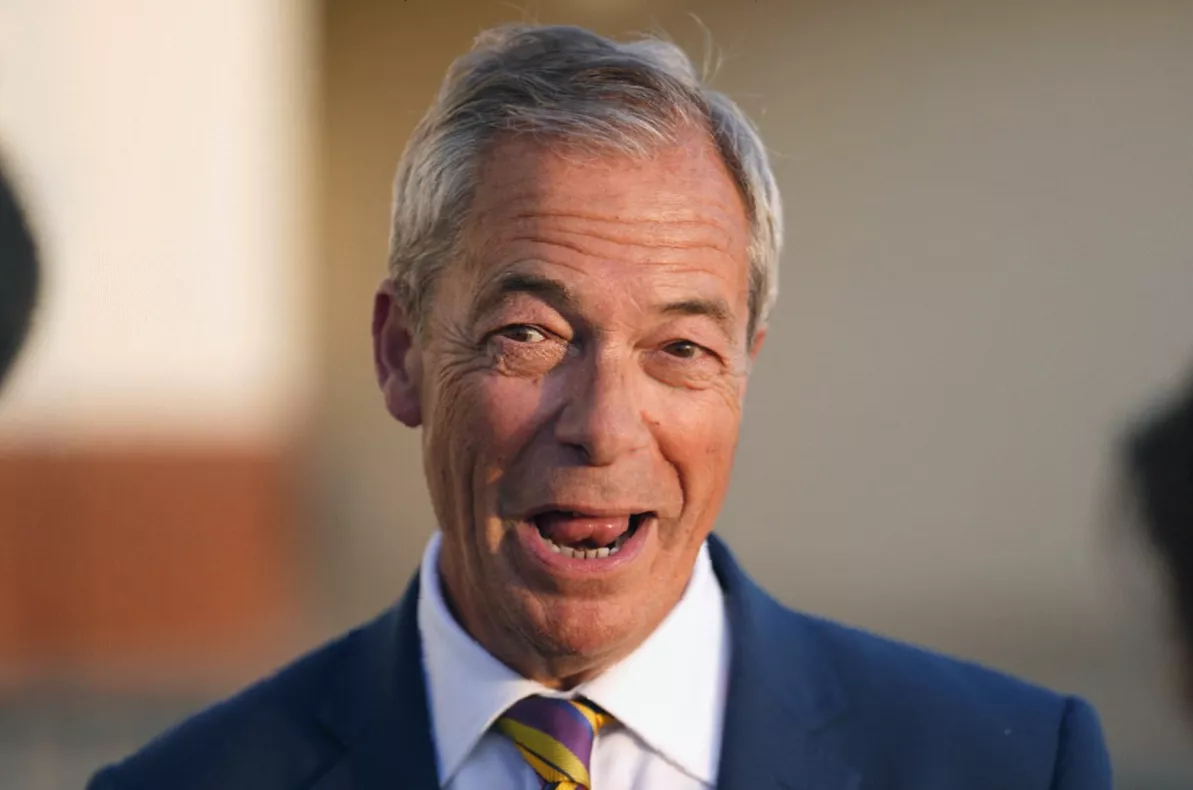
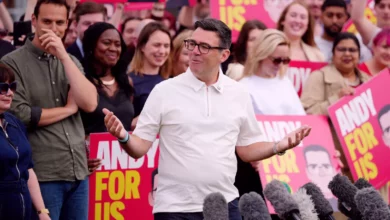
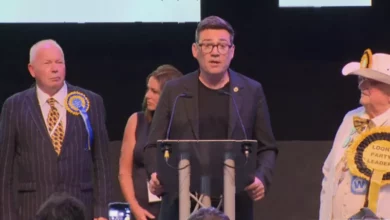
Mr Farage said he launched the Substack to “set out his views in his own words” so they would not be “twisted and misrepresented”, and promised to publish a “long essay” each month. The intervention appears strategically timed to influence the Makerfield by-election, where Reform’s candidate, Robert Kenyon, is in a tight battle with Labour’s Andy Burnham. Polling suggests Mr Burnham holds a narrow lead, but that the presence of Rupert Lowe’s Restore Britain party could split the right-wing vote and potentially hand Labour victory.
Central to the essay is a policy proposal that would see all foreign nationals evicted from social housing if Reform UK were in power. Under the plan, foreign nationals in social housing would be given a three-month grace period to relocate to private rented accommodation. If they fail to do so, they would “lose their right to remain in the country and be liable for deportation”. Mr Farage vowed that “veterans and long-term local residents will be preferenced for social housing”, arguing that taxpayers should not subsidise housing for non-citizens when “millions of Britons are on waiting lists”. Reform UK points to figures showing that around one in ten new social housing lettings in England during 2022–23 involved a non-UK citizen as the lead tenant.
Critics, however, argue the proposal raises practical and legal questions. Government rules already restrict social housing access for many migrants. Research indicates that 90 per cent of social housing residents are UK nationals, and that white British people are actually more likely to be in social housing than other ethnicities. Asylum seekers and those without status are not on mainstream social housing lists and are housed separately under Home Office contracts.

Mr Farage also references the murder of university student Henry Nowak, who was handcuffed by police as he lay dying after his killer, Vickrum Digwa, falsely claimed to have been the victim of a racist attack. The Reform leader argues the case demonstrates that “the British state is no longer working for everyone in this country”. While he has rejected the specific term “two-tier policing”, he uses the Nowak case to suggest “anti-white prejudice” within public services. Some analyses counter that ethnic minority criminals are more likely to be convicted than white criminals, casting doubt on the claim of a system discriminating against white people.
Mr Farage’s essay and policy have drawn strong reactions from both allies and opponents. Reform MP Suella Braverman said she was “very proud” to read the piece and declared: “I believe that white people are treated more unfairly than non-white people.” Appearing on Sky News’s Sunday Morning With Trevor Phillips, she said: “The tragic murder of Henry Nowak has to be a wake-up call that white people were told by the police to be treated differently to non-white people, and saying that is not divisive.” Ms Braverman, who defected from the Conservatives to Reform on 26 January 2026 citing a “toxic environment” within the Tory party, noted she had been the first Conservative minister to give a speech outlining problems with the Equality Act, “daring to challenge the status quo”, and claimed that was one reason she left the party.
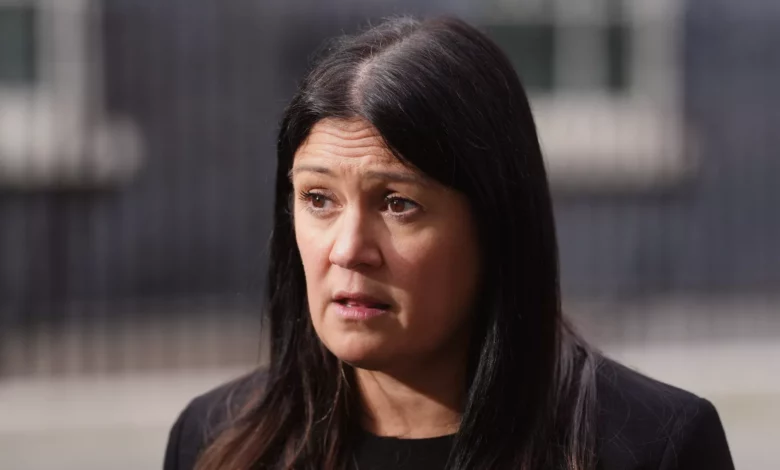
Culture Secretary Lisa Nandy offered a blistering response, telling Sky News that Mr Farage “should take his nasty hate and anger and division somewhere else frankly”. She added: “I’ve had enough of it, and I think a lot of us around our way have as well.” Acknowledging the serious challenges facing the country, she said: “People have not felt listened to or heard. Living standards haven’t improved for too long. People want better, they want more, and Andy Burnham is giving voice to that very strongly in the by-election. I hope he wins. I hope he comes back to Westminster to help us bring the issues that matter to people right up front and centre.”
Mr Farage’s claims of “anti-white racism” are not new. He has previously named Enoch Powell, author of the controversial “Rivers of Blood” speech, as a political hero, stating that “the principles remain good and true”. During the 2016 Brexit referendum he unveiled a poster depicting a line of refugees with the slogan “Breaking Point”, widely condemned as “vile” and “Nazi-style propaganda”. In 2015 he referred to Muslims as a “fifth column” and suggested a “split of loyalties” within the Muslim community. He has also said he intends to “repeal the Equality Act” under a Reform government — a piece of legislation that protects individuals from discrimination based on nine protected characteristics, including race, and imposes a Public Sector Equality Duty on public authorities.
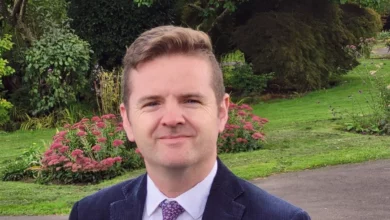
The by-election in Makerfield, a constituency with a predominantly white population (97%) and a high proportion of home-owners that voted heavily to leave the EU, remains finely poised. Mr Kenyon, the Reform candidate, has faced scrutiny over past comments including anti-abortion stances, alleged misogynistic remarks about Carol Vorderman, and criticism of Brexit. He has also been criticised for welcoming an endorsement from Ant Middleton. Mr Burnham, the Greater Manchester Mayor, resigned his parliamentary seat to stand — a move seen by some as a platform to launch a leadership challenge against Sir Keir Starmer if he wins.