AI sector’s harsh regimen of 12-hour days and no weekends, fuelled by anxiety, sounds alarm for society

In the converted apartments and sleek offices of San Francisco, a new breed of workaholism is fuelling the artificial intelligence boom, defined by sleepless nights, vanished weekends, and a deep undercurrent of fear. Here, the terms “996” and “grindcore” have moved from lexicon to reality, as founders and employees push themselves to extremes not seen in Silicon Valley’s hustle-culture history.
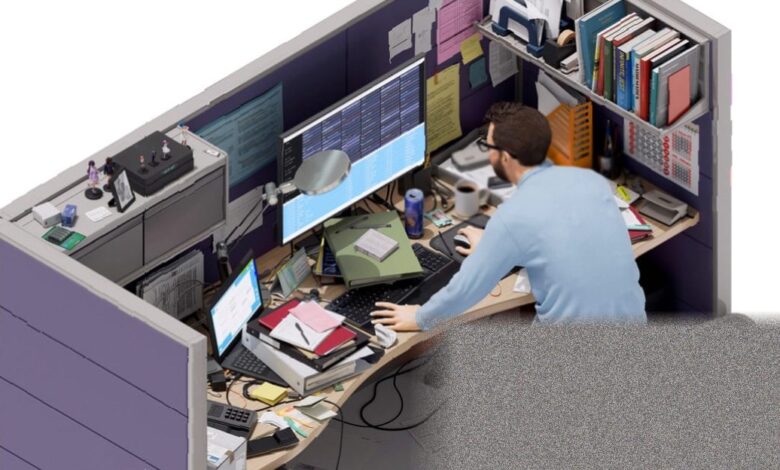
“I do not have work-life balance,” says Sanju Lokuhitige, co-founder of the pre-seed AI startup Mythril, who works seven days a week, 12 hours a day. His routine is mirrored in stories from early-stage companies operating out of spaces like a two-bedroom Dogpatch apartment, where one employee described founders working from 9am until 3am as “horrendous,” far exceeding the already gruelling “996” schedule of 9am to 9pm, six days a week.
This intensity is becoming systematised. Some recruitment experts note that a willingness to work “996” is now a prerequisite for interviews at certain AI startups. Companies like Rilla openly adopt the schedule, seeking an “Olympian athlete” mentality, while at Sam Altman’s Tools for Humanity, employees are told they are “always on call” and that “nothing else should matter” beyond the mission.
The Anxiety Driving the Grind
Beneath the fervent activity lies a palpable anxiety about job security, amplified by waves of layoffs across the sector. According to a report by RationalFX, the global technology industry cut approximately 244,851 jobs in 2025, a trend that continued into 2026 with over 30,000 layoffs in the first month alone. AI and automation were frequently cited as drivers, with an estimated 69,840 of those 2025 job cuts directly linked to AI adoption and restructuring. Companies like Amazon have explicitly pointed to AI as a reason for workforce reductions, though some analysts warn of “AI-washing,” where the technology is used as an excuse for broader cost-cutting.
“The balance of power has shifted away from tech workers,” says executive coach Mike Robbins, who has worked with companies like Google and Microsoft. This shift allows employers to be more demanding, a sentiment echoed by tech leaders. Mark Zuckerberg and Elon Musk have each been candid about AI replacing junior and mid-level engineers, calling for “efficient” and “extremely hard core” workforces. Zuckerberg has predicted 2026 will be the year AI “dramatically” changes work, enabling individuals to do tasks once requiring large teams.
For workers, the pressure is multifaceted. “I think a lot of people are concerned like, ‘Oh, am I going to have a job in three years?'” says Kyle Finken, a software engineer at Mintlify. This fear coexists with excitement about the “extraordinary innovation” in AI, leading many to devote extra hours out of genuine interest—exemplified by Y Combinator head Garry Tan boasting about staying up 19 hours with Claude Code.
Practical concerns also fuel the long hours. Keeping pace with daily technological shifts is essential, as is building a portfolio in a shrinking job market. “No one hires junior developers any more,” says Lokuhitige, noting that landing a role now requires “doing something cool” like building a recognised product. Data from Indeed’s Hiring Lab shows job postings for entry-level tech roles have fallen by a third since 2022, while those requiring at least five years’ experience have risen. The rationale is clear: studies suggest AI can already perform 50-60% of typical junior tasks, particularly in coding and customer service.
A Harbinger for the Wider World
The strain within tech may be an early signal for broader economic disruption. A Stanford University paper published in November found “substantial declines in employment for early-career workers” in AI-exposed industries, acting as a “canary in the coalmine.” Dario Amodei, CEO of Anthropic, has suggested AI could eliminate about half of all entry-level white-collar jobs within five years.
The head of the International Monetary Fund recently predicted that 60% of jobs in advanced economies will be eliminated or transformed by AI, “like a tsunami hitting the labour market.” In San Francisco, early signs are visible where Uber drivers compete with self-driving Waymos and baristas are replaced by robotic coffee bars.
The industry’s internal culture is shifting in response. The lavish perks once synonymous with Silicon Valley are being scaled back as companies escalate expectations. Meanwhile, executive coaching trends reflect the new priorities: Robbins, author of “Bring Your Whole Self to Work,” says leaders now seek advice on change, disruption, and uncertainty, rather than on burnout and wellbeing. A growing discussion advocates for “smart work” and sustainable productivity, but for many, it is overshadowed by the AI race’s demands.
Robbins observes that the business world once idealised Silicon Valley, emulating policies like unlimited vacation. “Some of that has changed,” he says. “Now, people aren’t asking me to tell them what’s going on in the Valley so that they can adopt it.” The layoffs of 2025 were driven by a combination of AI adoption, economic uncertainty, and elevated interest rates, indicating complex pressures. With over 40% of workers reporting AI-induced anxiety in 2026, the tech industry’s relentless grind may well be a premonition of the anxiety and compensatory overwork awaiting other sectors.