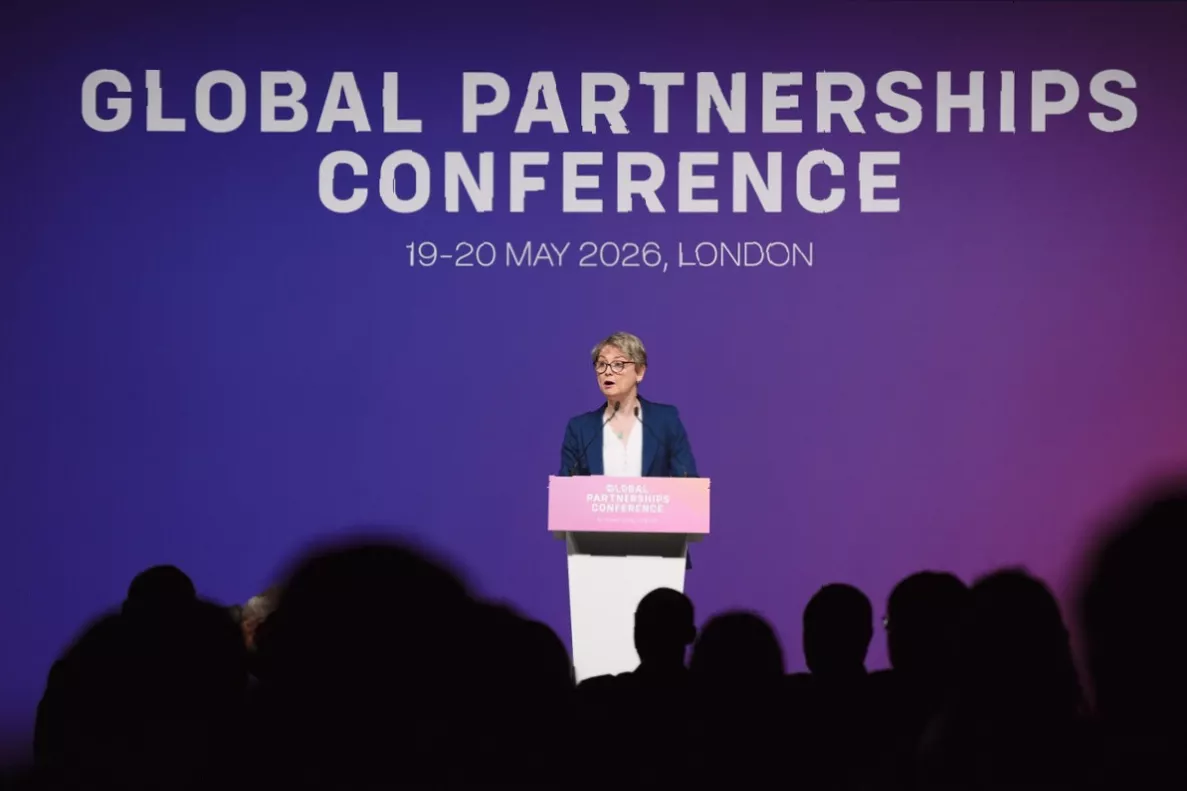
Britain risks sleepwalking into a food crisis, Yvette Cooper has warned, as the Foreign Secretary used a keynote speech in London to highlight the cascading effects of Iran’s three-month closure of the Strait of Hormuz on global energy and fertiliser supplies.
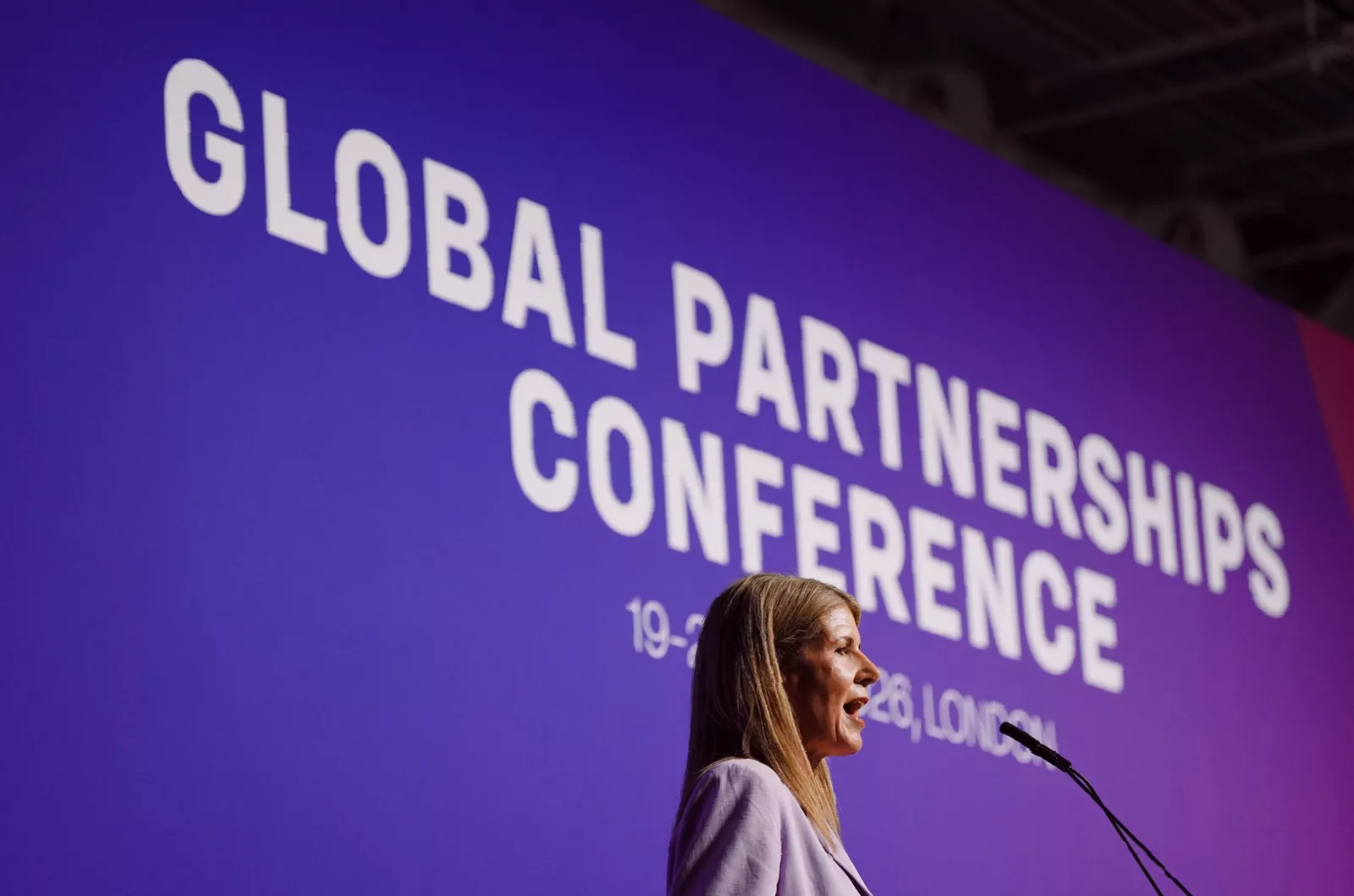
Speaking at the Global Partnerships Conference – co-hosted by the UK and South Africa and involving the Children’s Investment Fund Foundation and the development finance institution British International Investment (BII) – Ms Cooper said the world was “more volatile, more contested, more unstable than ever”. She argued that the global economy was “being held hostage, with the Global South paying the biggest price”. The agricultural clock is ticking: planting seasons have been disrupted, and damage to crop yields and food prices will be felt well into next year. The United Nations World Food Programme has warned that around 45 million people in the Global South are at risk of acute hunger this year.
How the Strait of Hormuz blockade threatens global food and energy
The Strait of Hormuz is a critical artery for the world’s fertiliser supply. The Middle East is a major supplier of urea and ammonia, key components for nitrogen-based fertilisers. The blockade has halted an estimated 30 per cent of global nitrogen fertiliser exports and 45 per cent of essential components such as sulfur. For import-dependent nations in Africa, South Asia and Latin America, the disruption comes at the worst possible moment. Eighty per cent of African farmers rely on the Strait for fertiliser, and without it crop yields are already falling. Beyond agriculture, the conflict has also roiled energy markets: Brent crude prices have surged, significant volumes of liquefied natural gas have been disrupted, and shipping costs have risen sharply. Gulf Cooperation Council states, heavily reliant on food imports through the waterway, are facing a “grocery supply emergency” with steep price spikes.
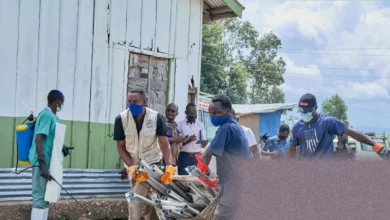
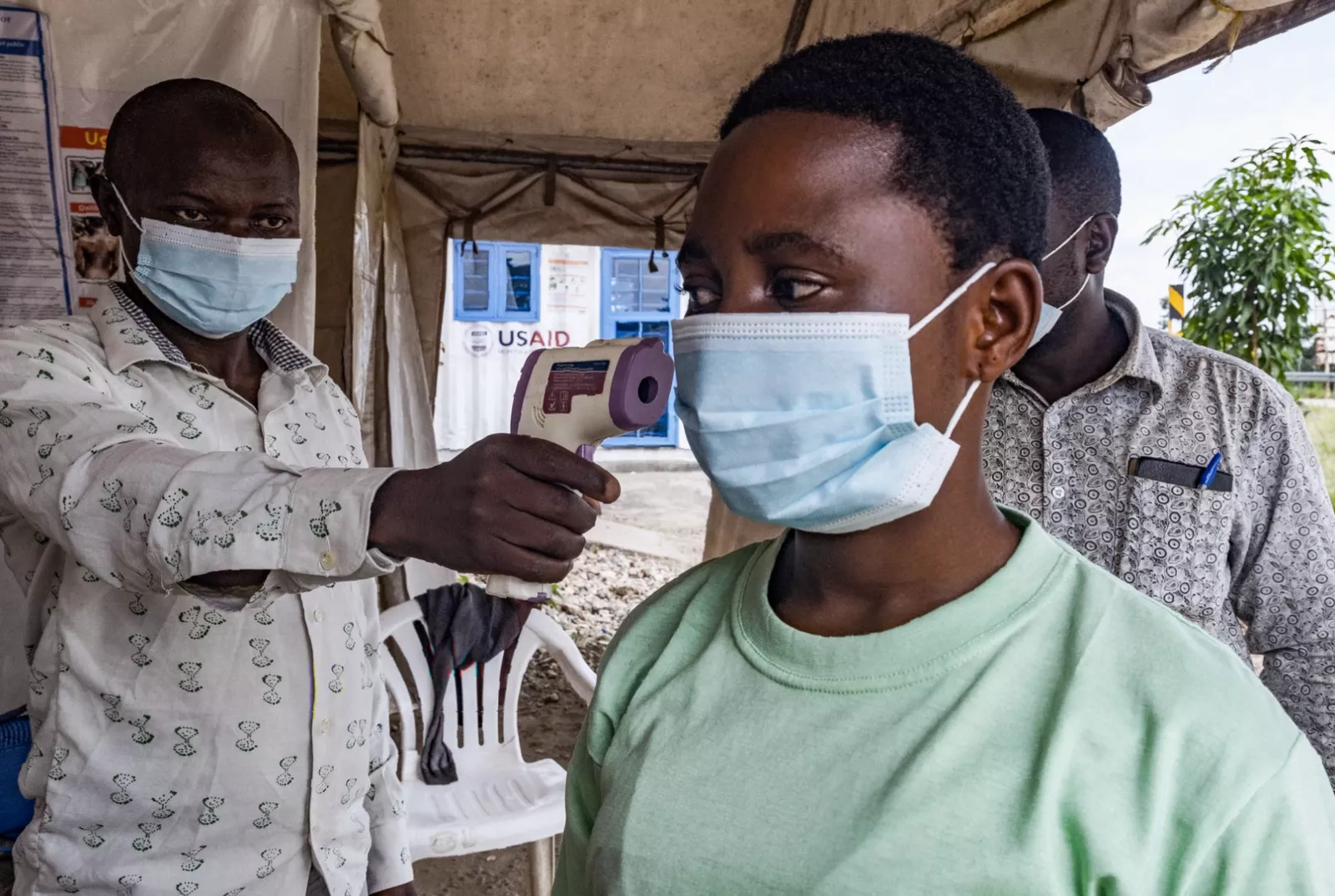
The Foreign Secretary described the closure as one of a series of “concurrent crises” – conflict, climate breakdown and communicable diseases – with the ongoing Ebola outbreak in the Democratic Republic of the Congo highlighted as a particular concern. “The world risks sleepwalking into a global food crisis,” she said.
A new approach to international development
Against this backdrop, Ms Cooper set out what she called a “bold new approach” to international development, arguing that the scale of the threats, combined with painful aid cuts by the UK, US and others, demands a fresh strategy. The UK will now prioritise grant aid for fragile and conflict-affected countries, while building new investment partnerships with more stable developing nations. The aim, the Foreign Secretary said, is to “mobilise much wider investments and different forms of capital investment and support”, moving away from a traditional donor role towards a partnership that helps countries expand their economies and reduce long-term dependence on aid.
Key announcements reflecting this shift include £1 billion in climate investments from BII, which the Foreign, Commonwealth and Development Office (FCDO) said is expected to unlock a further £3.5 billion in private capital. BII, which has already invested $1.1 billion in climate initiatives in India – surpassing its target – supports clean energy, electric mobility and sustainable agriculture as part of a net-zero-by-2050 commitment. The UK also launched new “Communities of Expertise”: demand-led, interdisciplinary hubs designed to share British expertise in climate, energy, education, health, finance and governance.
Criticisms and doubts over the UK’s ambition
On the conference floor, reaction to the government’s new direction was mixed. The UK has slashed its aid budget from 0.5 per cent to 0.3 per cent of gross national income (GNI), and many questioned whether the ambition could match the reality. Sarah Champion, the Labour chair of the International Development Committee, said she remained “concerned that the ambition pinned to the conference far outstrips the reality of what can be achieved with a much-reduced budget”. She added: “The conflict in the Strait of Hormuz highlights how fragile global food and energy security is, but it is not the cause. Patient investment in preventing the root causes of poverty, conflict, inequality and climate change should be our focus if we want to support a sustainable world.” The cuts, Champion has previously argued, are “unrelenting” and “devastating” for vulnerable populations: non-fragile states face a 60 per cent reduction in UK aid, and regional African programmes a 50 per cent cut by 2028–29, with Pakistan and Mozambique among the steepest losers.
One senior official from an African embassy in London voiced scepticism that companies from the Global North would genuinely begin investing in his country, citing a continued “misplaced risk perception” that treats all diverse African markets as homogeneously risky. “The cost of insuring a shipment from Brazil to Europe is around 20 per cent of the cost of insuring that same shipment from Africa to Europe,” he said, “and so far that has not changed.” He saw little evidence of a shift from talk to implementation.
UK NGOs were similarly critical. Jennier Larbie, Christian Aid’s UK influencing lead, said there was “little urgency to provide new funds to meet immediate needs or cancel the debts of most affected low-income countries”. Her organisation is campaigning for the UK to introduce a law compelling private sector creditors – many of whose loans to low-income countries are governed by English law – to deliver immediate debt relief so governments can respond to geopolitical crises beyond their control. Richard Hawkes, chief executive of Oxfam GB, argued the government cannot “credibly speak about peace and stability while continuing arms sales to Israel and cutting the very aid that supports people caught up in crisis”. He called for fair taxation of the super-rich and fossil fuel companies profiting from global instability. Dorothy Sang, head of advocacy and policy at CARE International UK, said ministers were right to raise the alarm but needed to “think more radically”. She stressed that food insecurity is “a deeply gendered crisis”: CARE’s work consistently finds that countries with higher gender inequality face worse hunger and safety situations, and that women still eat last and least in moments of crisis. “Without the right voices in the room,” Sang added, “the billions raised could struggle to deliver the transformative change we need.”
Meanwhile, other donor nations are adapting their development strategies without cutting overall budgets. Norway, for instance, has said it is focusing on climate adaptation and aims to double its climate funding to developing countries by 2026 and triple support for climate adaptation, while maintaining its aid envelope.
The Independent’s ongoing “Rethinking Global Aid” project has been examining the repercussions of these spending cuts on global health, the climate crisis and maternal health across the developing world.