A man from Seattle is facing a federal investigation after he was captured on video throwing a coconut‑sized rock at a protected Hawaiian monk seal on a Maui beach, later reportedly telling witnesses, “I don’t care. Fine me, I’m rich.”
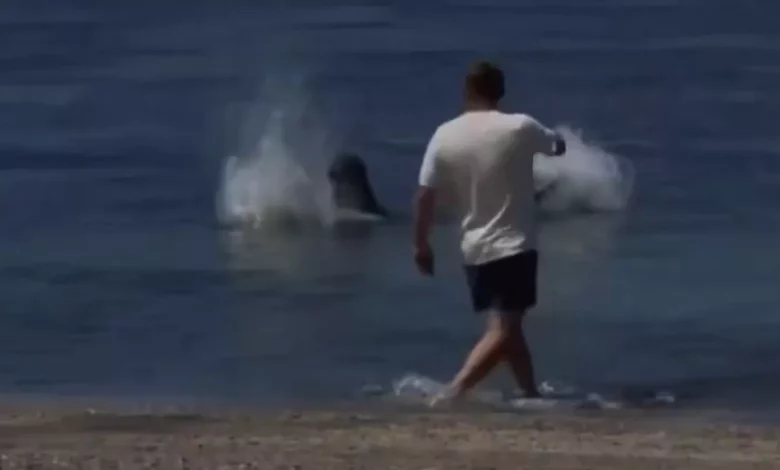
The incident happened on Tuesday, 5 May 2026, off the Lahaina shoreline. Kaylee Schnitzer, 18, was on the beach when she saw a man and a woman approaching the endangered animal. Video footage she recorded and later shared on Instagram appears to show the man picking up a rock the size of a coconut and hurling it at the seal. The object landed inches from the creature, which reared back in response. After the attack the seal lay down and did not move for a while; it is unclear whether it was injured.
Schnitzer can be heard on the footage shouting, “What are you doing? Why would you throw a rock at it?” She told local media that she and a friend called the police, at which point the man replied, “I don’t care. Fine me, I’m rich.” Officers arrived and detained the man, a 37‑year‑old from Seattle, Washington. He has not been criminally charged but is being investigated by the state’s Division of Conservation and Resources Enforcement (DOCARE). Because Hawaiian monk seals are protected under federal law, DOCARE is handing the case over to the National Oceanic and Atmospheric Administration’s Office of Law Enforcement for potential federal action. The suspect declined to make a statement and requested legal counsel.
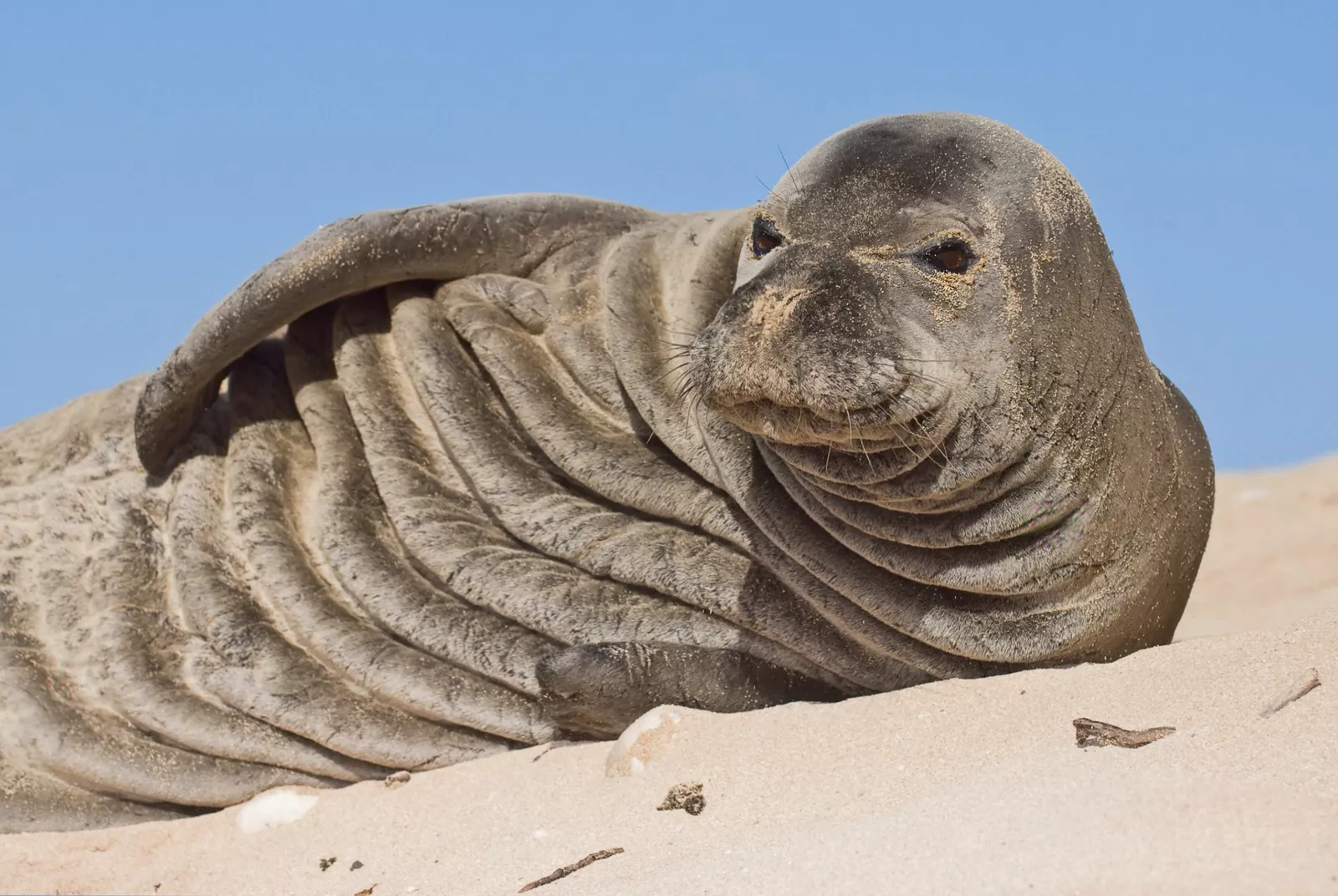
The seal involved is known to locals as Lani, a regular visitor to the shallow waters off Lahaina. Maui’s mayor, Richard Bissen, condemned the attack and vowed to prosecute the individual to the fullest extent of the law. The incident has drawn widespread outrage, with some locals intervening at the scene.
Hawaiian monk seals: endangered and legally protected
Hawaiian monk seals are one of the rarest marine mammals in the world. According to the International Union for Conservation of Nature, only an estimated 1,600 mature individuals remain in the wild. Approximately 1,200 live in the Northwestern Hawaiian Islands and around 400 in the Main Hawaiian Islands. A 2024 population estimate put the total at roughly 1,580 seals, a slight dip from 1,605 in 2022, although conservationists note a significant positive trend overall from 2013 to 2024. The population remains far below historic levels.
The species was officially listed as endangered under the U.S. Endangered Species Act on 23 December 1976, a status it still holds. The IUCN has since re‑classified the species from Endangered to Vulnerable, reflecting some recovery, but the legal protections remain robust. Hawaiian monk seals are protected by the federal Endangered Species Act, the Marine Mammal Protection Act, and the laws of the State of Hawaii. It is illegal to disturb, harass, feed, or harm a monk seal in any way.
Penalties for violations are severe. Under state law, a person can face fines of up to $50,000 and up to five years in prison. Federal penalties also include fines up to $50,000 and a year of imprisonment. The case is being reviewed by NOAA’s Office of Law Enforcement, which enforces federal marine mammal protections.
Conservation efforts led by NOAA Fisheries and partners include monitoring, medical care, public education on safe viewing, habitat protection, and rehabilitation. The Marine Mammal Response Network works alongside these agencies to respond to incidents. DOCARE, the law enforcement arm of the Hawaii Department of Land and Natural Resources, has approximately 130 officers statewide who patrol vast areas of ocean waters and coastline.
Despite these protections, the species faces ongoing threats: entanglement in fishing gear, limited food availability, human disturbance, disease, and pollution. Juvenile survival rates are a particular concern. Since 2009, 16 intentional killings of Hawaiian monk seals have been confirmed, yet only one conviction has been secured, prompting calls for stronger enforcement.
Territorial behaviour and past incidents
Hawaiian monk seals can become territorial if threatened, especially mothers protecting their pups. In 2022, a seal named Rocky dragged a woman underwater in Waikiki after the woman got too close to her newborn pup. The woman was taken to hospital with cuts to her face, back and arm.
Other incidents highlight the frequency of human–seal conflict. In 2016, a pregnant monk seal was shot and killed by a Kauai resident who wanted to fish on the beach. A male seal was found shot dead on Kauai in 2009. In 2021, three seals were confirmed killed on Molokai, one of them shot; those cases remain unsolved. A year earlier, a young seal was discovered dead along the Anahola coastline. In 2018, an Alabama resident paid a $1,500 settlement after touching a monk seal and harassing a sea turtle, with videos posted on Instagram.
Safe‑viewing guidelines set by the authorities require people to stay at least 50 feet away from seals on land or in the water, and at least 150 feet from mother‑pup pairs. Direct eye contact, loud noises, and crowding are discouraged. If a seal looks at a person or changes its behaviour, the person is too close. Violations can be reported to NOAA’s Office of Law Enforcement at 800‑853‑1964 or the DLNR DOCARE hotline at 1‑643‑DLNR (3567).
The seal involved in this week’s incident, Lani, has become something of a symbol of Lahaina’s recovery after the devastating wildfires of 2023; the attack occurred just outside the burn zone. The Hawaiian name for the monk seal, ‘īlio‑holo‑i‑ka‑uaua, translates to “dog that runs in rough water.”
Since 2009, 16 intentional killings of Hawaiian monk seals have been confirmed, with only one conviction.