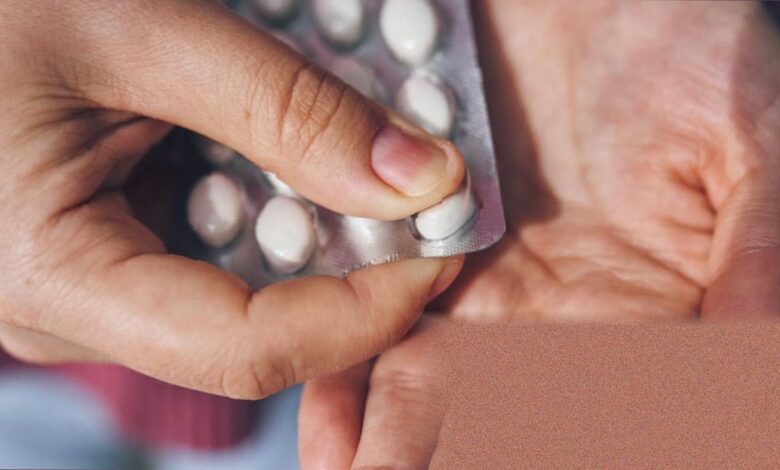
A new once-daily pill being developed by the pharmaceutical giant Eli Lilly has demonstrated superior weight loss and blood sugar control compared to a leading oral rival in a major clinical trial, potentially offering a more convenient and powerful tablet alternative to blockbuster injectable weight-loss drugs.
The drug, orforglipron, works by targeting the same GLP-1 receptors as treatments like Wegovy and Ozempic, slowing digestion and suppressing appetite. Its key advantage is its oral formulation, which eliminates the need for injections and, unlike some existing tablets, does not require patients to take it on an empty stomach or with specific timing.
According to results from the Phase 3 ACHIEVE-3 trial funded by Eli Lilly, patients with type 2 diabetes lost an average of 6-8% of their body weight after a year on orforglipron. This compared to an average loss of 4-5% for those taking oral semaglutide, the active ingredient in diabetes pill Rybelsus and, in injectable form, Wegovy and Ozempic. The trial involved more than 1,500 adults across 131 medical centres in Argentina, China, Japan, Mexico, and the US.
In addition to greater weight reduction, the trial found participants on orforglipron achieved lower average blood sugar levels than those on semaglutide. The research briefing notes the drug also demonstrated clinically meaningful improvements in key cardiovascular risk factors, including cholesterol and blood pressure.
Convenience versus tolerability
However, the convenience of the new pill comes with a significant caveat: higher rates of people stopping treatment due to side effects. In the ACHIEVE-3 trial, approximately 9-10% of participants discontinued orforglipron because of adverse events, primarily gastrointestinal issues, compared to 4-5% in the semaglutide groups.
Dr Marie Spreckley of the MRC epidemiology unit at the University of Cambridge said this higher discontinuation rate was a key consideration. “It may have implications for tolerability and adherence in real-world settings,” she noted. She added that because the trial lasted only one year, longer-term safety, cardiovascular outcomes and sustained effectiveness remained important unanswered questions.
Further data on weight loss efficacy comes from a separate trial, ATTAIN-1, cited in the research briefing. That study found participants with obesity, but without diabetes, lost an average of 12.4% of their body weight at the highest dose of orforglipron over 72 weeks.
Regulatory race and manufacturing scale
Orforglipron has not yet been approved by regulators in the UK, US, or Europe. Eli Lilly has submitted new drug applications to the US Food and Drug Administration for obesity and plans to submit for type 2 diabetes. The FDA’s target decision date for orforglipron was extended to April 10, 2026, with the company also preparing global submissions in over 40 countries.
Anticipating high demand, Eli Lilly is making substantial manufacturing investments to avoid the supply shortages that plagued earlier GLP-1 drug launches. The research briefing details new manufacturing builds in Texas and Alabama, plus site expansions in Puerto Rico and the Netherlands. The company had already amassed pre-launch inventories valued at $1.5 billion as of December 2025. Analysts forecast the drug could become a blockbuster, with projected sales of $13 billion in 2031.
Currently, oral semaglutide is the only GLP-1 medication for type 2 diabetes available in pill form in the US. A weight-loss pill version of Wegovy has also recently been approved, though oral semaglutide has been shown to be less effective for weight loss than its injectable counterparts or tirzepatide injections such as Mounjaro.
Expert outlook on a shifting landscape
Experts believe effective tablet versions could prove transformative due to their ease of use and storage, and potential for lower cost. Tam Fry, chair of the National Obesity Forum, suggested orforglipron could become the “treatment of choice for the very obese diabetic” due to its straightforward use, but cautioned that its availability “must be more strictly controlled than semaglutide to avoid similar life-threatening usage.”
Professor Naveed Sattar of the University of Glasgow called the findings important. “The more effective oral medicines we have to help people with type 2 diabetes lose weight and keep it off, the better,” he said. He advocated for a holistic approach targeting weight, blood sugar, and cardiovascular risk simultaneously. Professor Sattar added that incretin-based therapies associated with substantial weight loss “may well become first-line treatments for type 2 diabetes within the next decade, potentially helping many people achieve remission for several years.”
The ongoing ATTAIN Phase 3 global clinical development program for orforglipron has enrolled over 4,500 people with obesity or overweight, signalling Eli Lilly’s commitment to expanding the evidence base for its newest contender in the lucrative weight-loss and diabetes market.